Buying a gun in America is about to feel exactly like ordering a pair of shoes online.
The Bureau of Alcohol, Tobacco, Firearms and Explosives rolled out a major regulatory shift. The proposal allows licensed firearm dealers to ship guns straight to a buyer's front door. It marks the most radical transformation of American weapon distribution since the 1960s. For decades, the law forced online buyers to pick up their weapons at a brick-and-mortar storefront to complete a face-to-face background check. This new plan completely flips the script.
The federal government claims it is just bringing the gun market into the 2020s. Critics call it a logistical nightmare that opens the door for theft and fraud.
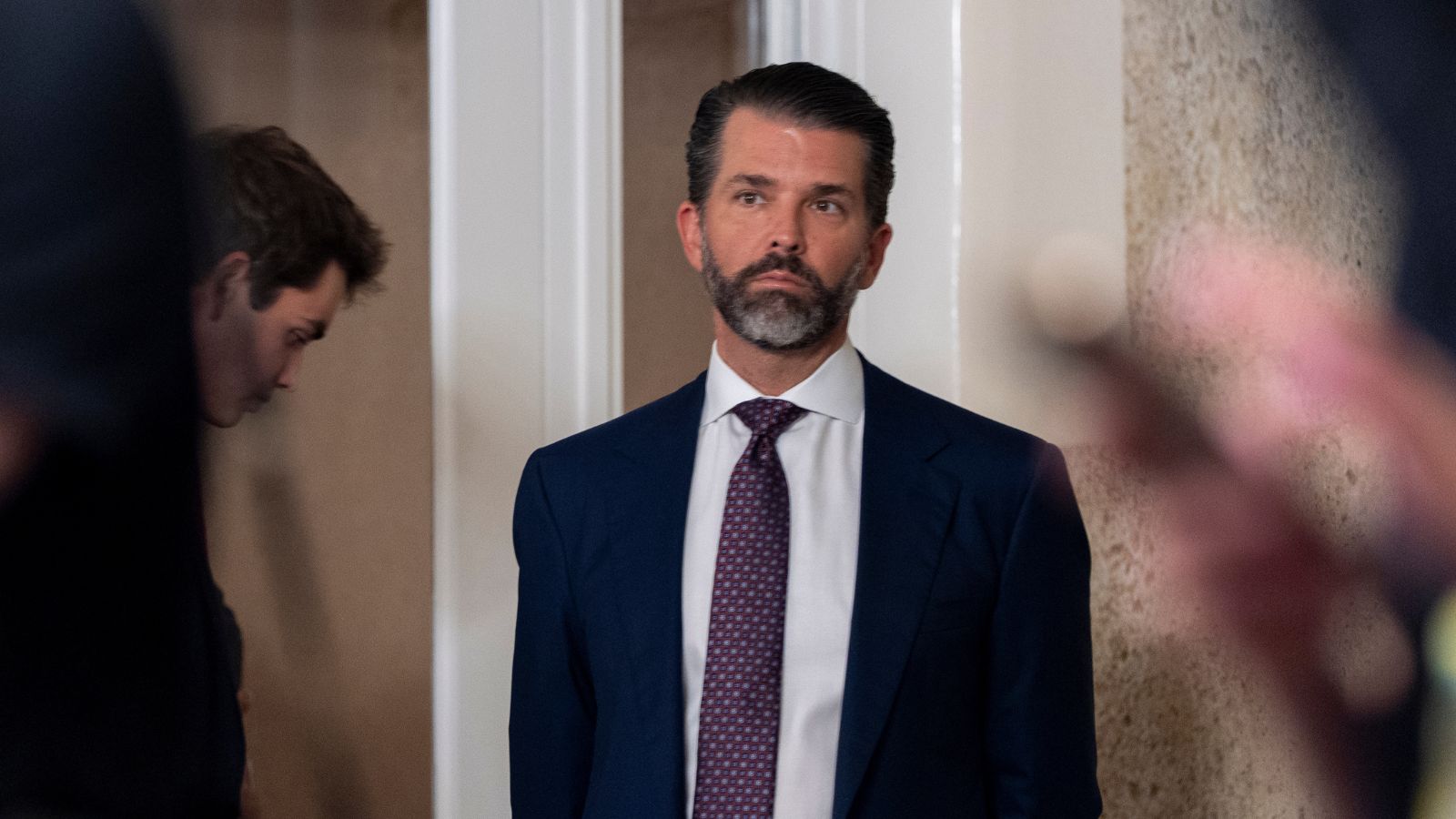
Sitting right at the intersection of this regulatory earthquake is Donald Trump Jr. The president's eldest son is a shareholder and board member of GrabAGun, a massive e-commerce platform frequently dubbed the "Amazon of guns." If the rules go through, his business interests stand to gain an enormous boost.
The Logistics of Front Door Firearms
The current system relies on a network of local gun shops acting as gatekeepers. You can browse an e-commerce site, pick your rifle, and pay online, but the gun travels to a local Federal Firearms License holder. You drive there, they run your background check, you pay a transfer fee, and then you leave with the weapon.
The new ATF plan removes that retail middleman. Under the proposal, a licensed dealer can mail a firearm directly to an in-state resident. The safety checks move entirely online.
Buyers will complete digital identity verification and background checks from their phones or computers. After the system approves the buyer, local law enforcement receives a notification. Then, a mandatory seven-day waiting period begins before the package ever hits the mail.
The ATF estimates that roughly half of all gun buyers in the country—around 3.3 million people every single year—will completely abandon retail stores in favor of home delivery. The agency argues the convenience will save consumers over $100 million annually in processing fees and driving time.
The Corporate Winner in the President's Circle
The financial implications for online gun retailers are staggering. GrabAGun went public on the New York Stock Exchange through a blank-check merger backed by 1789 Capital. Donald Trump Jr. didn't just invest; he became the public face of the enterprise, famously celebrating the listing with a mock gun-shooting gesture.
Trump Jr. owns over 300,000 shares in the digital firearm giant. While the company's valuation dipped significantly over the past 12 months, dropping his personal stake value down to roughly $700,000, this regulatory pivot offers an obvious lifeline. GrabAGun generates around $100 million in annual revenue, and its executive leadership openly admits they are built specifically to scale up for this home-delivery model.
The web of financial connections goes even deeper than simple stock ownership. GrabAGun utilizes a prominent "Shoot Now Pay Later" financing program operated by Credova. Credova happens to be a subsidiary of PublicSquare, where Trump Jr. also serves as an investor and board member. If online sales spike because delivery becomes effortless, every layer of his portfolio wins.
Spokespeople for Trump Jr. and the White House categorically deny any backroom coordination, emphasizing that he does not coordinate with federal regulators on his private business holdings. The ATF's chief counsel stated the agency was unaware of Trump Jr.'s financial ties to the company when they drafted the rules, which originated from a sweeping 2025 presidential executive order aimed at expanding Second Amendment access.
Main Street Shops Prepare for a Hit
While corporate e-commerce platforms celebrate, small rural gun shops are panicking. These mom-and-pop stores rely on the foot traffic generated by online transfers. When a buyer orders from a major website, they pay the local shop a $30 to $50 transfer fee to handle the paperwork. While inside, those buyers usually purchase ammunition, cleaning kits, or holsters.
Removing the store visit completely wipes out that revenue stream. Small business owners argue that the digital shift also destroys the human element of public safety. Experienced gun shop employees are trained to read body language and spot "straw purchases"—scenarios where a legal buyer purchases a weapon for a prohibited criminal standing right next to them. An online portal cannot read a room or spot a nervous look.
Gun control organizations like Everytown and Brady are raising structural alarms as well. They argue that dropping millions of handguns into the standard mail system invites porch piracy, transit theft, and sophisticated mail fraud. The logistics of securely delivering a lethal weapon via standard couriers remains a massive, unresolved variable.
The Timeline for Execution
Don't expect your mail carrier to drop off a handgun next week. The ATF's public comment window closes in August, giving both gun rights advocates and public safety groups a chance to flood the registry with feedback.
Because of the massive political and legal weight behind this shift, the rule won't reach finalization until late 2026 or early 2027. It will inevitably face immediate challenges in federal court from state attorneys general.
If you want to track where the industry is moving, look closely at the corporate moves happening behind the scenes. GrabAGun already launched a dedicated logistics subsidiary called Pew Logistics, specifically designed to build software that facilitates direct-to-consumer manufacturer shipping. The tech infrastructure is being built right now, betting heavily that the era of the local gun shop is coming to an end. Keep an eye on the Federal Register listings this August to see how the public feedback shapes the final text.


