Kids don't care about your multi-million dollar prestige television. They care about a smartphone screen showing a creator they've watched eat cereal for three years straight.
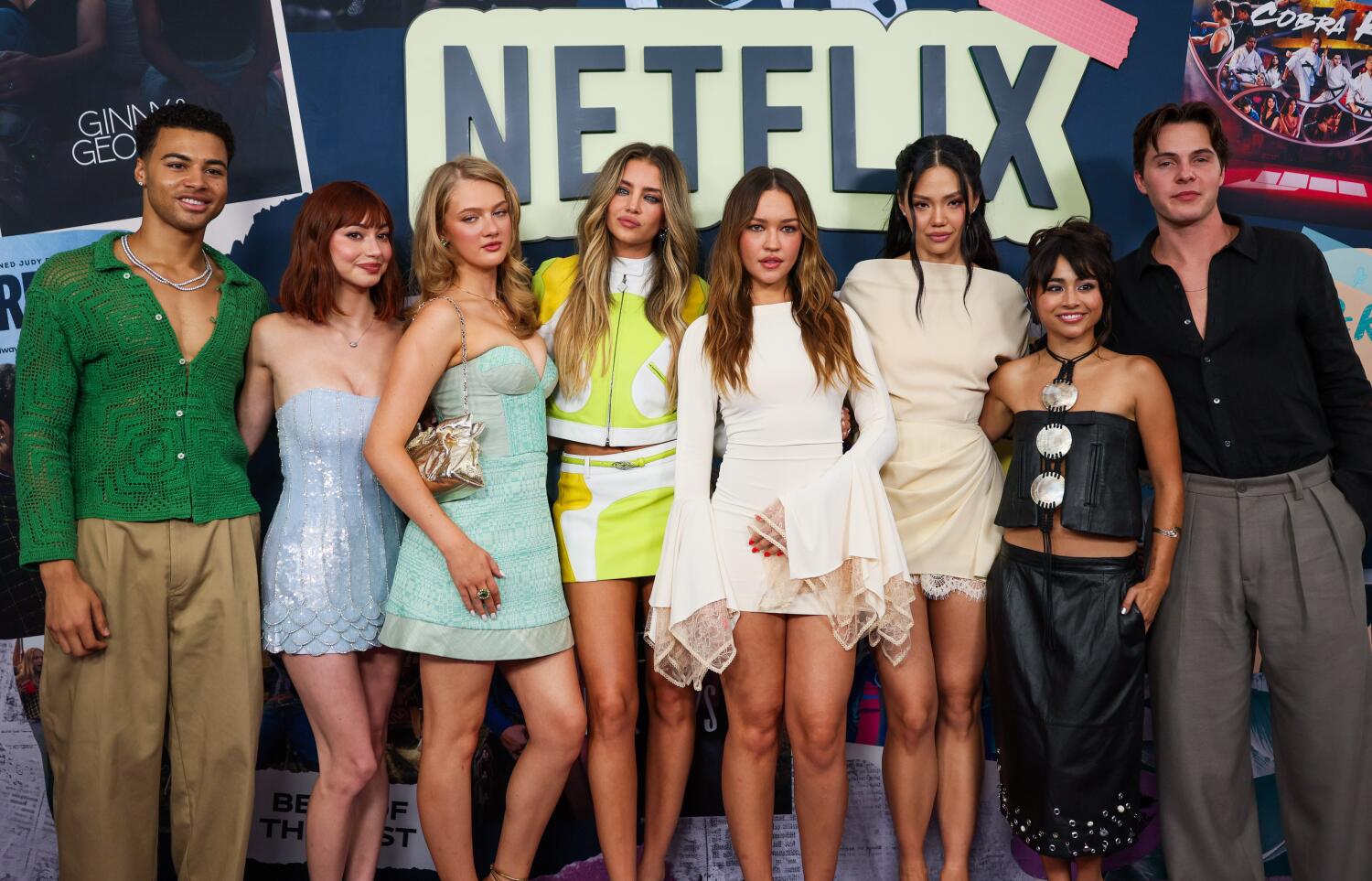
If you've spent any time around teenagers lately, you already know the truth. Traditional streaming services are losing the battle for youth attention. Netflix isn't panicking just yet, but they're definitely sweating under the bright lights. They're pouring cash into high-school soaps, supernatural teen thrillers, and serialized youth drama because they have to. They are staring down an existential threat. That threat wears a hoodie and films vlogs in a suburban bedroom.
Let's look at why young adult drama is Netflix's new security blanket and why creators on alternative platforms are winning the culture war.
The Battleground of Modern Attention
Attention spans aren't shrinking. That's a lazy myth invented by people who don't know how to make engaging stuff. Attention spans are simply migrating. When a teenager finishes homework, they aren't firing up a television remote to scroll through a corporate interface. They're opening an app where the content is fast, personal, and interactive.
YouTube commands billions of hours of watch time because it offers a parasocial relationship Netflix scripted shows can't replicate. A scripted teen drama takes two years to produce twelve episodes. A daily creator builds a community in real-time.
Netflix realized this too late. They spent a decade killing off mid-tier shows and raising prices. Now, they're leaning heavily into young adult IP to anchor their subscriber base. They need teenagers to form an emotional attachment to platform characters the same way previous generations attached to cable stars.
[Traditional TV Model] ---> Slow production, high cost, passive viewing
[Creator Economy Model] ---> Daily output, direct connection, active community
Why Teens Actually Stick Around
Teenagers want representation, speed, and validation. When Netflix drops a hit YA show, the internet explodes with TikTok edits, fan theories, and meme formats within minutes. That's the playbook. Netflix uses young adult content as a marketing engine.
Shows like Stranger Things, Outer Banks, or Heartstopper aren't just television programs. They are lifestyle accessories.
- Fast-paced storytelling: Hook the viewer in the first thirty seconds or lose them forever.
- Aesthetic validation: Characters wear clothes that trend on social media tomorrow.
- Community discourse: The show provides fuel for online fandoms and shipping wars.
Older executives think teenagers just want mindless flashing lights. They're wrong. Teens spot corporate pandering from a mile away. When a streaming service tries too hard to sound youthful, it turns into an embarrassing meme. The shows that win are the ones that capture authentic emotional chaos.
The YouTube Factor
You can't talk about the current streaming crunch without talking about the creator economy. YouTube isn't just a video repository anymore. It's the primary cultural incubator for Gen Z.
Independent creators operate with agility. If a trend shifts on a Tuesday, a YouTuber adapts by Wednesday. Netflix operates like an ocean liner trying to dodge an iceberg. By the time a corporate greenlight committee approves a script, shoots the season, does post-production, and translates it into forty languages, the cultural moment has already died.
This speed gap is terrifying for traditional studios. Why watch a polished teen drama about high school politics when you can watch real people live-streaming their actual lives?
Platforms are fighting for the exact same minutes on the exact same mobile screens. Every hour a kid spends watching a gaming creator is an hour they aren't watching a serialized fiction show.
What This Means Moving Forward
Netflix has to evolve beyond passive distribution. They're already dabbling in interactive storytelling, live comedy specials, and gaming tie-ins. But their bread and butter remains the serialized drama that hooks younger demographics early and keeps them paying monthly.
If you're tracking where the entertainment industry is heading, watch the teen demographic. They dictate what becomes cool, what gets canceled, and what platforms survive the decade.
Stop treating younger viewers like a secondary market. They are the entire market.