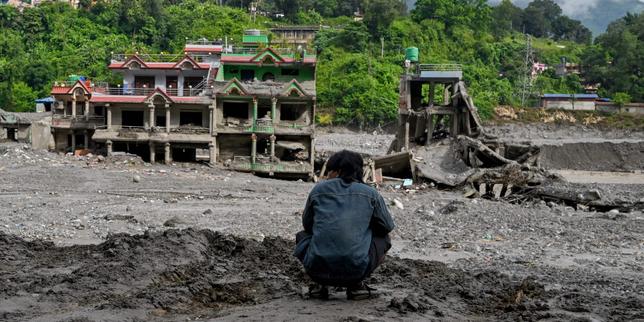
A wall of ice, mud, and water tore down the Himalayas without warning. It smashed villages into rubble and left thousands unaccounted for.
The catastrophic flash floods striking the Nepal and Tibet border region have claimed at least 955 lives, according to official tallies from local authorities and state media. More than 4,400 people remain missing as rescue teams sift through meters of heavy debris. This disaster isn't just an isolated tragedy. It’s a terrifying preview of what happens when a fragile mountain ecosystem collapses under extreme climate pressure.
Let's look at what actually happened on the ground, why the death toll climbed so fast, and what scientists say this means for the roof of the world.
The Anatomy of a Himalayan Catastrophe
The disaster began near the northern Rasuwa district along the border between Nepal and China. A sudden slope failure triggered a massive movement of earth and ice. Glaciologists note that a landslide dragged down an entire section of an alpine glacier, unleashing an avalanche of freezing water and silt.
This tsunami-like surge roared down the Trishuli River basin. It traveled over sixty miles downstream into Nepal, wiping out bridges, washing away roads, and obliterating entire settlements.
Hydropower facilities caught the worst of the impact. Dozens of workers were trapped inside tunnels as tons of mud sealed off exits. Search and rescue crews have spent days drilling into these blocked underground structures, trying to reach survivors trapped in the dark.
Why the Missing Persons Count is So High
Official numbers fluctuate daily as bodies are recovered and communication lines slowly come back to life. The Nepal National Disaster Management Authority reported that the nationwide missing count includes hundreds of foreign nationals. Trekking enthusiasts and spiritual pilgrims flock to these remote mountain routes year-round.
Families are left staring at noticeboards and hospital screens in Kathmandu, desperately trying to identify loved ones from circulating photographs. Because mortuaries are completely overwhelmed, authorities have had to take DNA samples and begin burying recovered bodies in mass graves so families can reclaim them later.
Neighboring India has also felt the downstream impact. Emergency responders in Uttar Pradesh pulled seventeen bodies from rivers flowing out of Nepal, though officials haven't even added them to the official regional count yet.
The Climate Factor Nobody Wants to Ignore
You can't talk about this disaster without talking about global heating. The Himalayas are warming at a rate that outpaces the global average. Glaciers that took millennia to form are thinning out and destabilizing at an alarming speed.
When a mountain glacier destabilizes, it creates glacial lakes that can burst their natural moraine dams without warning. While investigators are still confirming the exact sequence of the slope failure, scientists warn that this type of glacial hazard is becoming standard across high-altitude massifs.
Governments in Kathmandu and Beijing face immense pressure to overhaul early warning systems. Mountain communities are simply too vulnerable to sudden hydrological shocks.
International aid agencies are rushing emergency food, medical supplies, and clean water into the disaster zones. Foreign governments have pledged millions in humanitarian relief, but clearing blocked mountain passes takes time.
If you want to help, support established humanitarian organizations currently providing direct medical and logistical aid on the ground in Nepal and the border regions. Stay tuned to verified local disaster management updates if you have family or friends traveling through South Asia.


:max_bytes(150000):strip_icc()/moscow-kremlin-and-st-basil-cathedral-at-dusk-158200423-5a64f4594e46ba00377331fb.jpg)