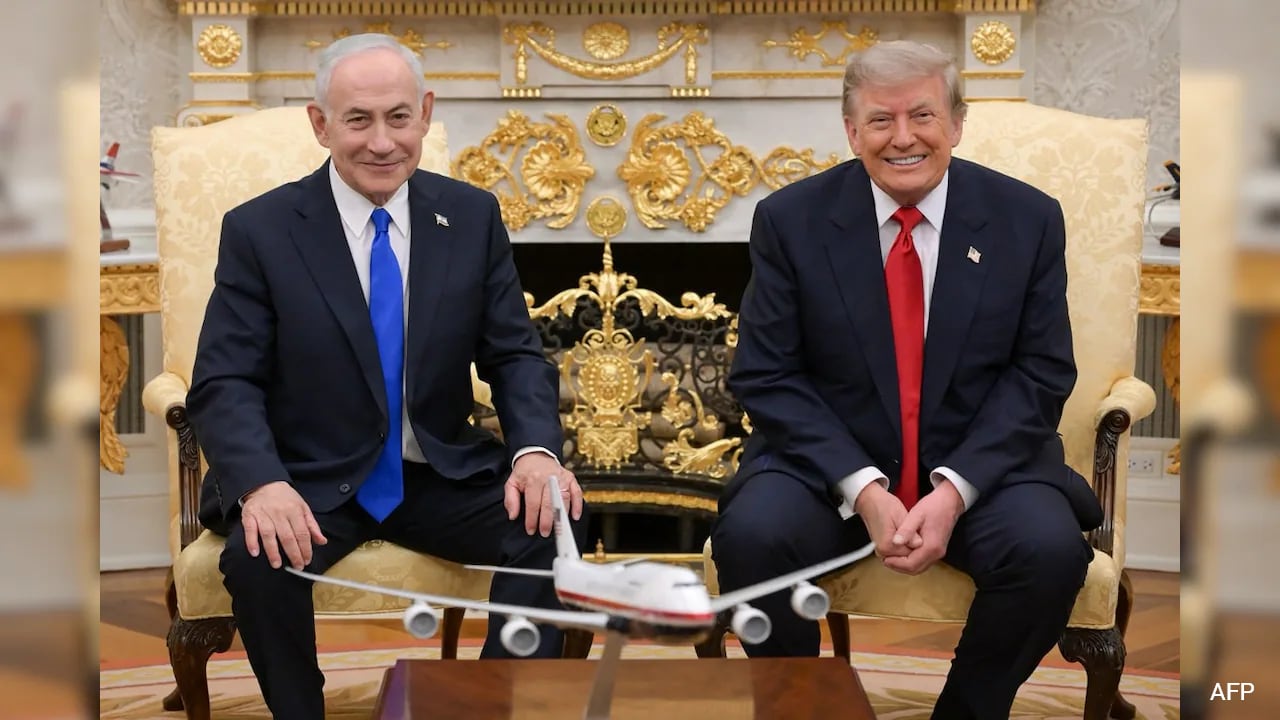
Foreign policy shifts don't happen in a vacuum, but some weapon deals grab headlines for a reason. The Trump administration's push for a massive $2.8 billion military hardware package aimed at Israel has sparked intense debate worldwide. At the center of this conversation are heavy-duty munitions like the MK 84 and BLU-117 bombs. If you've been trying to cut through the political noise and figure out what these weapons actually are and why this transaction matters, you need to look at the mechanics of the deal itself.
Understanding the 2000-Pound Class Munitions
When military analysts talk about heavy ordnance, weight matters immensely. The proposed package centers heavily on the 2,000-pound class of weapons. Specifically, reports outline plans for 20,000 MK-84 general-purpose bombs, 20,000 BLU-117 thermal-coated variants, and another 20,000 I-2000 penetrator warheads.
To put that scale into perspective, these aren't small tactical items. They are massive, high-yield explosives designed to neutralize heavily fortified infrastructure, deep underground bunkers, and large structural complexes. The BLU-117, for instance, shares the same destructive payload profile as the MK-84 but features a thermal-protective coating. That coating makes it safer for naval storage and handling aboard ship, reducing the risk of cook-off accidents in high-heat environments.
Yet, the sheer volume of this proposed transfer—totaling roughly 60,000 heavy components when factoring in specialized warheads—has raised flags among defense observers and international law advocates alike. Critics point out that deploying ordnance of this magnitude in densely populated urban zones inevitably causes catastrophic collateral damage. Proponents, meanwhile, argue that maintaining deep stockpiles is essential for regional deterrence and long-term strategic readiness.
The Political and Logistical Timeline
Arms deals of this scale rarely materialize overnight. The friction surrounding 2,000-pound bombs isn't entirely new; previous administrations had placed deliberate pauses on similar heavy shipments due to mounting humanitarian concerns. However, political shifts in Washington quickly altered that trajectory, with restrictions being lifted to unfreeze older stockpiles and pave the way for fresh procurement.
Funding for this massive transaction moves through Foreign Military Financing (FMF). Washington provides the financial assistance, and Israel uses those allocated funds to purchase American-made hardware. Even with formal approval processes moving forward, manufacturing and delivering tens of thousands of heavy-duty bombs takes years of industrial output. This means the arrangement is designed to lock in long-term supply chains rather than deliver an immediate battlefield fix.
Why This Deal Changes the Strategic Calculus
Military aid is ultimately about signaling intent. By advancing a package of this magnitude, Washington is reinforcing its commitment to its regional ally's military infrastructure. For Israel, securing these contracts ensures supply chain continuity regardless of future political turbulence in the US. For international watchdogs, it represents a doubling down on conventional heavy warfare capabilities at a time when global scrutiny on civilian protection has never been higher.
If you want to track where regional defense policy is heading, watch how international bodies respond to these delivery timelines and whether domestic political pushback in Western capitals manages to place new speed bumps on future shipments. The debate over heavy munitions is far from settled.
Inside Trump's Plan To Sell Mega-Powerful Arms To Israel
This video provides a helpful visual overview and breakdown of the $2.8 billion arms package and the strategic implications of supplying 2,000-pound bombs to Israel.