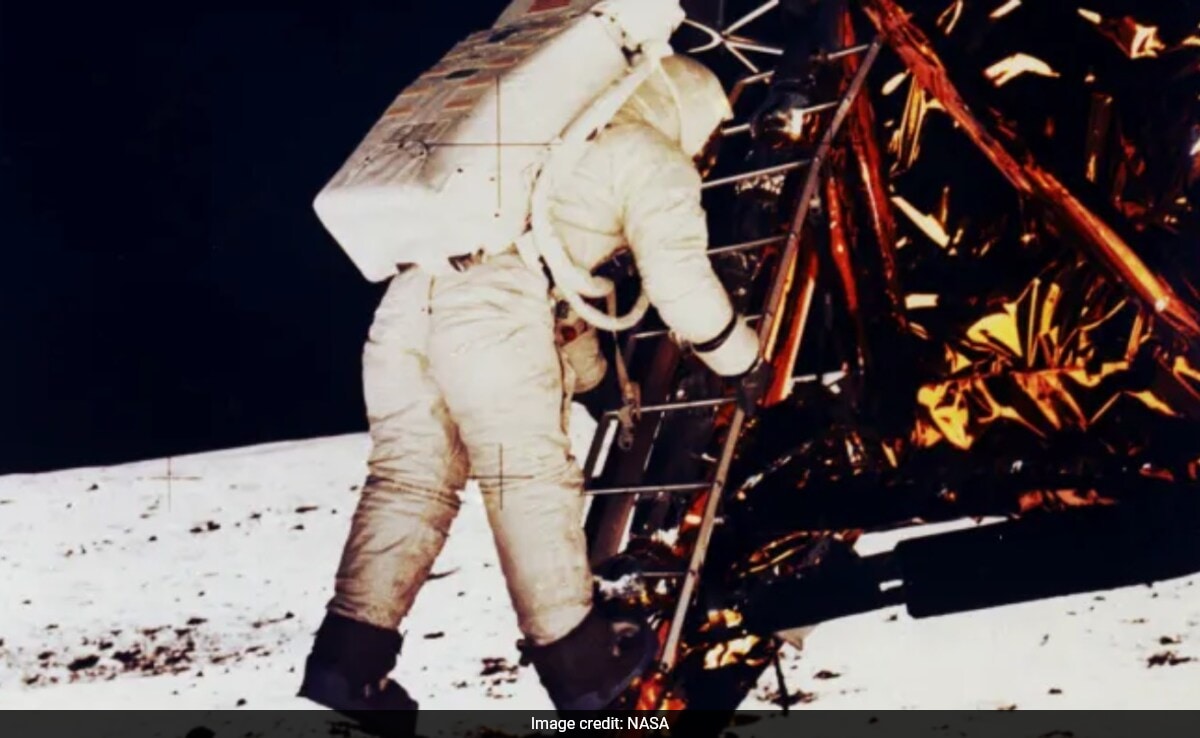
NASA is about to spend $100 billion to go back to a place we already visited in 1969. On the surface, that sounds like the ultimate government "re-run." Why pay a fortune to put footprints in the same gray dust? If you’re looking for a single, clean answer, you won't find one. The reality is that the Artemis program isn't just a sequel to Apollo. It’s a completely different beast with a price tag that reflects a massive shift in how we handle space.
People often ask if this is just a vanity project or a scientific necessity. It’s actually both, plus a heavy dose of geopolitical anxiety. We aren't just going back to prove we can. We’re going back because the moon has transitioned from a celestial trophy to a strategic piece of real estate. Meanwhile, you can read related events here: The Logistics of Electrification Uber and the Infrastructure Gap.
The 100 billion dollar breakdown
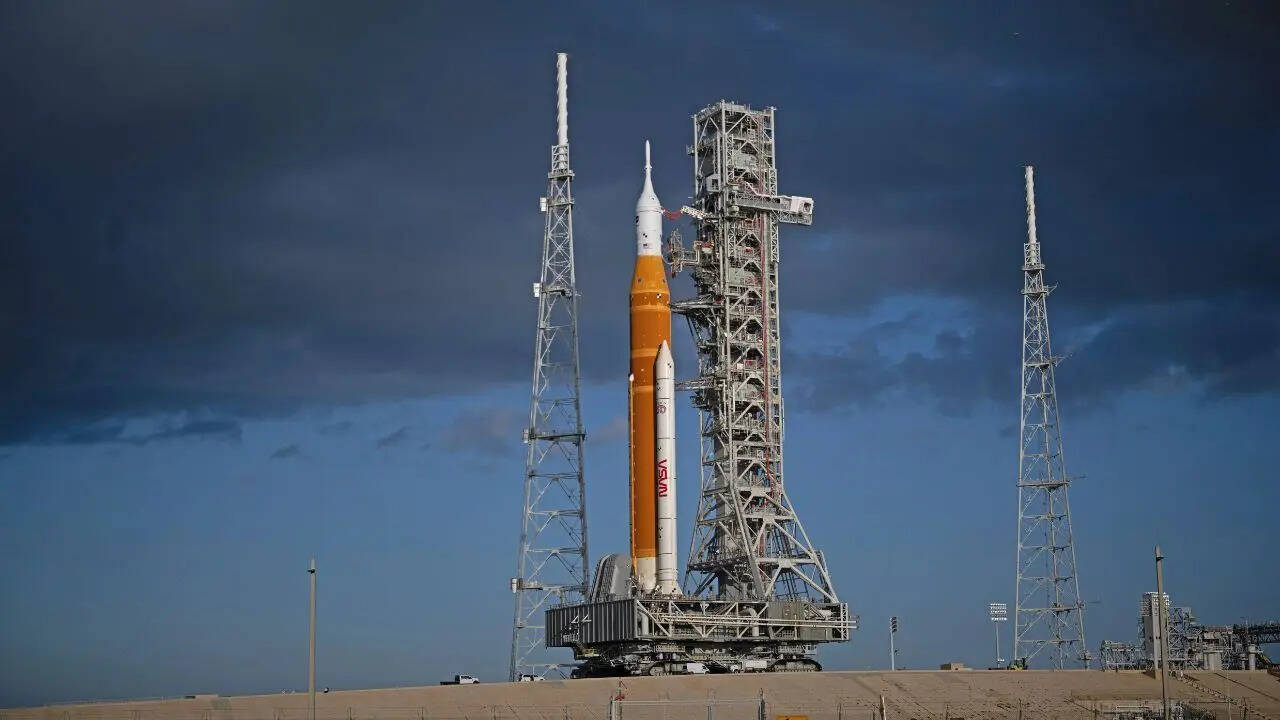
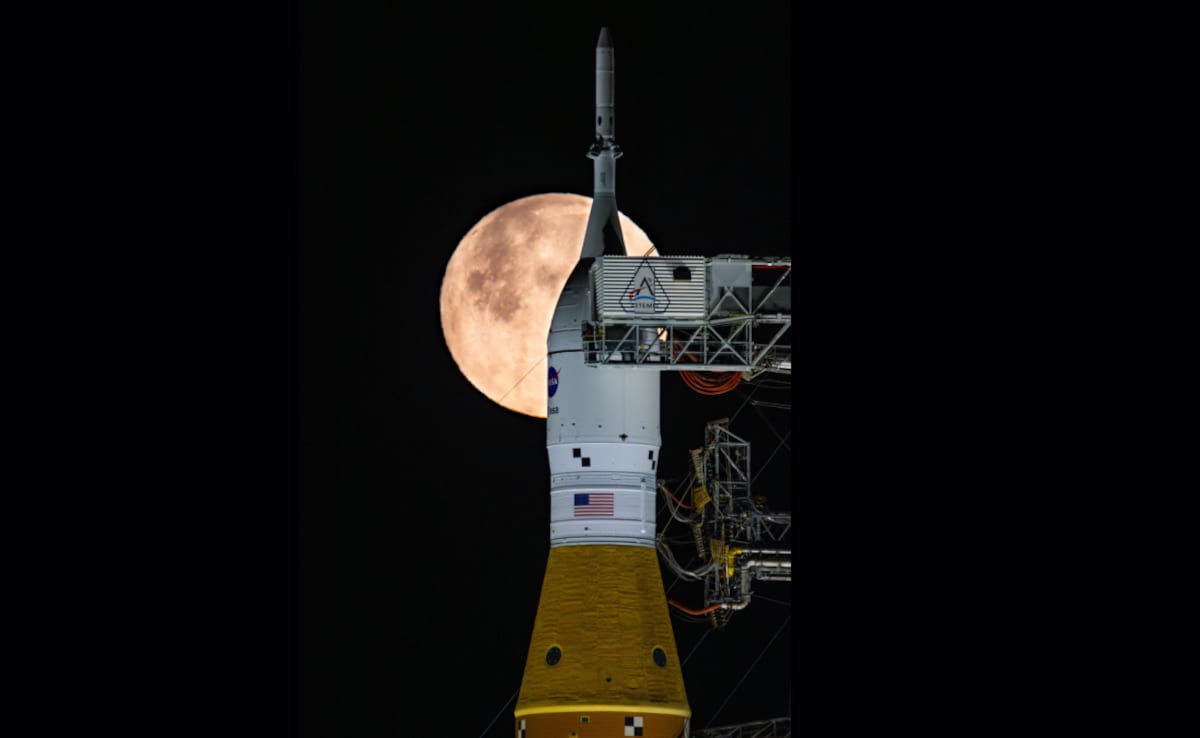
Let’s get the math out of the way. When critics cite the $100 billion figure, they’re usually looking at the projected costs through 2025 and 2026. This includes the development of the Space Launch System (SLS) rocket, the Orion spacecraft, and the ground systems at Kennedy Space Center.
A single SLS launch currently costs about $4.1 billion. That’s a staggering amount of money for a rocket that you can only use once. Unlike SpaceX’s Falcon 9, which lands itself and flies again, the SLS is "expendable." Every time it flies, $4 billion of hardware sinks into the ocean or burns up in the atmosphere. To see the bigger picture, we recommend the recent analysis by TechCrunch.
So why build it? NASA argues that the SLS is the only vehicle currently capable of pushing the Orion capsule—along with the massive amounts of life support and cargo needed—straight to the moon in one shot. It’s brute-force engineering. You’re paying for reliability and the unique heavy-lift capability that smaller, cheaper rockets can't match yet.
It is a race against China whether we admit it or not
During the 1960s, the goal was to beat the Soviet Union. Today, the "pacing competitor" is China. Beijing has been landing rovers on the far side of the moon and returning samples with clockwork precision. They’ve stated clearly that they want Chinese taikonauts on the lunar surface by 2030.
If the U.S. doesn't establish a presence first, we risk losing the ability to set the rules. Think about the "Artemis Accords." This is a set of international agreements NASA pushed to define how lunar resources—like water ice—should be managed. If China or other nations get there and start claiming territory or resources under their own rules, the U.S. loses its seat at the head of the table. Space is the new high ground.
Mining the moon for rocket fuel
The scientific community is obsessed with the lunar South Pole. It’s not because of the view. It’s because of the shadows. Deep craters there haven't seen sunlight in billions of years, and they’re filled with water ice.
This ice is the "gold" of the 21st-century space race. You don't just drink it. You split it into hydrogen and oxygen. That’s rocket fuel.
- Drinking water for long-term habitats.
- Oxygen for breathing.
- Liquid hydrogen to refuel spacecraft.
If we can harvest fuel on the moon, it becomes a "gas station" for the rest of the solar system. Launching heavy fuel from Earth is incredibly expensive because of our planet’s high gravity. The moon’s gravity is 1/6th of Earth’s. Launching a Mars-bound ship from a lunar orbit would be vastly cheaper and more efficient. That $100 billion is basically an investment in an off-world supply chain.
Building a lunar economy
NASA isn't doing this alone this time. They’re basically acting as an anchor tenant for a new industry. By hiring companies like SpaceX and Blue Origin to build lunar landers, NASA is forcing the private sector to innovate.
We’re seeing a shift from NASA owning everything to NASA buying services. They don't want to own the "bus"; they want to buy a ticket on the bus. This approach is supposed to drive down costs over the long term, even if the initial development is pricey. The goal is a "lunar economy" where private companies mine resources, run logistics, and provide communications, while NASA focuses on the deep-space science that doesn't have an immediate profit motive.
Is it worth it
You’ll hear people argue that we should spend that $100 billion on Earth. It’s a fair point. But space spending isn't just "burning money." That money stays on Earth. It goes to engineers in Alabama, software developers in Colorado, and technicians in Florida.
The Artemis II mission, currently eyeing a launch in the coming months, will be the first time humans have left low Earth orbit in over 50 years. They won't land, but they’ll test the life support systems that will eventually sustain a permanent base.
If we want to be a multi-planet species, we have to master the moon first. It’s our backyard laboratory. It’s where we learn how to live in a vacuum, how to shield ourselves from radiation, and how to stay sane in a tin can 240,000 miles from home.
The next step for anyone following this is to watch the Artemis II launch window. It’s the ultimate stress test for the $100 billion gamble. If that mission succeeds, the "why" becomes a lot clearer. If it fails or sees more delays, the "depends on who you ask" debate is only going to get louder. Keep an eye on the SLS "wet dress rehearsals" and flight readiness reviews over the next few weeks—those are the real indicators of whether this investment is finally going to pay off.