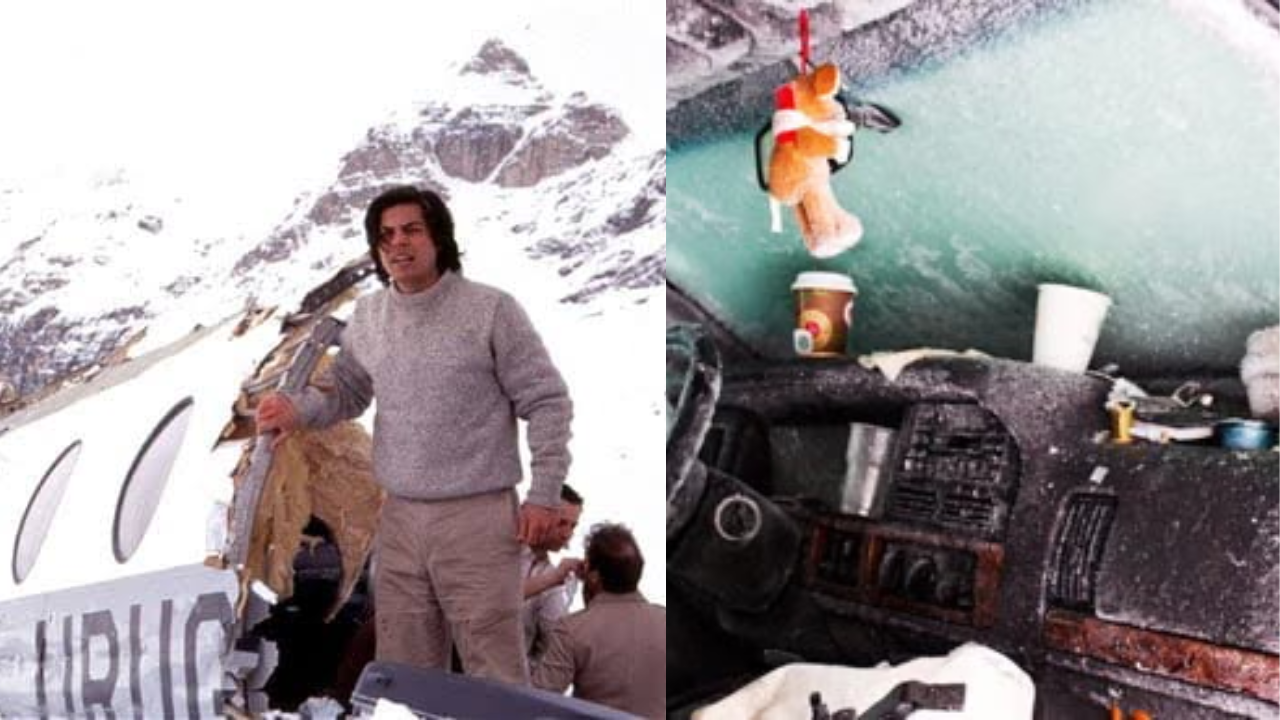
We love a miracle. It makes the world feel orderly, manageable, and occasionally touched by divine intervention. The story of the Swedish man trapped in a snow-covered car for two months is a classic of the genre. The media paints a portrait of human endurance, sheer will, and the inexplicable nature of survival.
They are wrong. They are romanticizing biology to avoid facing the cold, hard mechanics of physiology.
When the headlines scream about surviving two months in a sub-zero tomb, they ignore the metabolic reality of the human body. To believe he spent sixty days buried under a metre of snow without food, in freezing temperatures, is to misunderstand how mammals function. It is not an inspirational tale of grit. It is a fundamental misinterpretation of environmental conditions and medical science.
The Metabolic Bankruptcy of Starvation
The average adult male has enough stored glycogen to last roughly 24 hours. Once that is burned, the body shifts to fat oxidation, then eventually gluconeogenesis—the process of breaking down muscle tissue for energy. This is a finite clock.
You cannot out-will the laws of thermodynamics.
A body exposed to sub-zero temperatures faces a massive thermal drain. The metabolic cost of maintaining a core temperature of 37°C in a freezing environment is astronomical. If the cabin of that car were indeed freezing, his caloric burn rate would have skyrocketed, not bottomed out. He would have faced severe hypothermia long before the two-month mark.
The media loves the "buried in snow" narrative because it sounds extreme. They neglect the insulation factor. Snow is a brilliant insulator. A metre of packed snow acts like a foam jacket. The interior of that car was likely closer to the ambient ground temperature than the external air temperature. He wasn't living in a freezer; he was living in an igloo.
That distinction changes the entire conversation. This wasn't a feat of superhuman stamina against the cold. It was a fortuitous placement in a naturally insulating shell.
The Real Danger of Isolation
We fetishize the "lone survivor" trope. We imagine someone sitting in the dark, contemplating their existence, waiting for the thaw. This is fantasy.
The primary danger in these scenarios isn't just hunger or cold. It is psychological collapse and physiological stasis. A human body sitting in a cramped, dark, low-oxygen space for weeks is a disaster waiting to happen. The risk of venous thromboembolism—blood clots forming due to immobility—is massive. The lack of light disrupts circadian rhythms, leading to rapid cognitive decline.
People keep asking: "How did he survive so long?"
The better question is: "What prevented his body from shutting down?"
The answer is likely mundane, not miraculous. He had access to just enough water—the absolute requirement for surviving periods of starvation. Without hydration, metabolic waste products build up in the kidneys and blood, leading to organ failure within days. Snow provides the water. The insulation provides the thermal buffer. The rest is just waiting.
The Medical Reality Check
Let’s be clear about what survival looks like. It is rarely a heroic, clear-headed experience. It is often a descent into delirium.
Physicians treating long-term starvation cases don't see "willpower." They see massive electrolyte imbalances, cardiac arrhythmias, and severe muscle atrophy. The moment a person in that state is "rescued," they are at risk of refeeding syndrome—a potentially fatal shift in fluids and electrolytes that occurs when food is reintroduced too quickly to a starved body.
If this man truly endured that duration, his recovery would have been a long, brutal clinical process, not a walk into the sunset. The narrative glosses over the post-trauma reality because reality is messy, slow, and expensive. It doesn't fit into a tidy 30-second news segment.
The Danger of Romanticizing Survival
Why does this matter? Because when we treat extreme survival as a "miracle," we strip away the practical lessons. We stop teaching people how to actually survive and start teaching them to wait for a miracle that isn't coming.
If you find yourself stranded, do not count on "the odds" being in your favor. They are never in your favor.
- Stop searching for warmth and start searching for insulation. Heat is a finite resource. Insulation is a structural reality.
- Manage your water intake as if it is gold. You can skip a meal. You cannot skip hydration.
- Fight the stagnation. Movement is the only way to prevent your circulatory system from turning against you.
The Swedish incident is not a guide for human potential. It is an outlier event, likely misreported in its specifics, used to make us feel better about our own fragility. We want to believe that we are tougher than the environment. We aren't. We are just lucky that, sometimes, the physics of our situation work in our favor.
Stop looking for miracles. Start understanding the mechanics of your environment. Nature doesn't care about your story, and it certainly isn't interested in your survival. You either manage the variables, or you become part of the landscape.