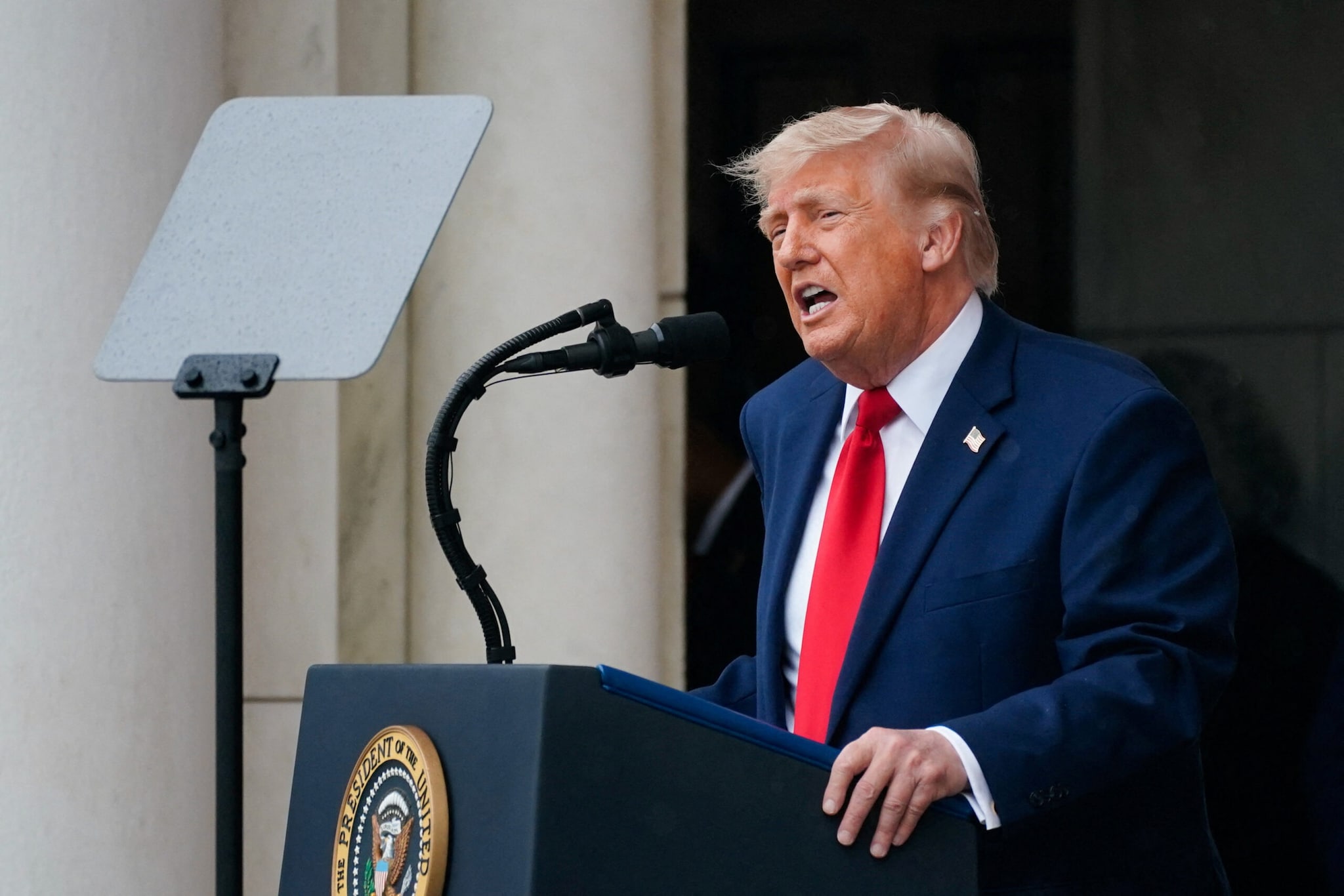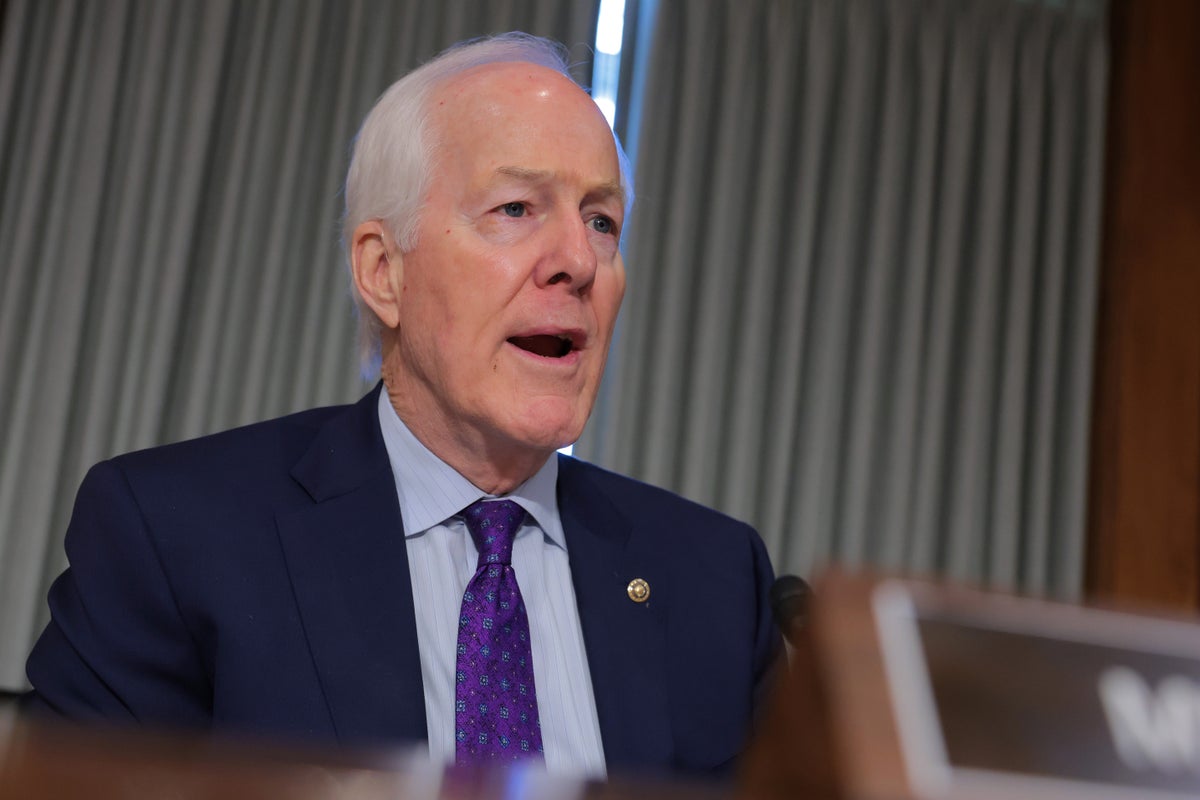
The mainstream media loves a soap opera. When a Texas state senator quieted his push to name an 80-mile stretch of cargo highway after Donald Trump, the political press corps ran with a predictable, lazy narrative: revenge. The competitor headlines practically wrote themselves, claiming the lawmaker pulled the bill purely because the former president backed his primary opponent.
It is a neat, dramatic story. It is also entirely wrong.
Reducing major infrastructure naming rights to a petty schoolyard grudge misses the real mechanics of legislative power. In the capital of Austin, roads are not trophies handed out based on hurt feelings. They are valuable political capital. What the public viewed as a temper tantrum was actually a calculated, strategic retreat by an insider who understood that a branding exercise was no longer worth the political overhead.
The Frictionless Transaction of Political Branding
To understand why the "spite" narrative fails, you have to look at how legislative branding actually functions. Naming a highway is the ultimate low-cost, high-visibility signal. It costs a lawmaker virtually nothing to propose, yet it yields massive returns in grassroots attention.
For months, the proposal to rename a portion of Interstate 10 served its exact intended purpose. It rallied the base, dominated talk radio, and signaled absolute loyalty. But loyalty in politics is a currency, not a marriage vow. It is subject to inflation, devaluation, and market corrections.
When the endorsement went to a primary challenger anyway, the market value of that specific highway bill plummeted to zero.
[Mainstream View]  Loyalty -> Betrayal -> Emotional Revenge -> Bill Canceled
[Insider Reality]  Loyalty -> Asset Devaluation -> Risk Mitigation -> Bill Canceled
Continuing to push the legislation would not have punished the top of the ticket; it would have expended valuable legislative energy on a dead asset. In a compressed 140-day Texas legislative session, spending time defending a lightning-rod bill that no longer provides electoral cover is a rookie mistake. The senator did not quit out of anger. He liquidated a bad investment.
Why the Public Understands Power Backwards
Ask the average voter why bills like this disappear, and they will tell you about bruised egos. They ask questions premised on a fundamental misunderstanding of legislative leverage, wondering how politicians can work together after a public snub.
The premise itself is flawed. Political survival requires a total detachment from personal pride.
I have watched operators spend years building alliances with colleagues who publicly dragged them through the mud during campaign season. Why? Because grudge-holding is a luxury for backbenchers who do not care about passing budgets or rewriting tax codes. The moment a politician lets genuine emotion dictate bill authorship, they lose their seat at the table.
Renaming a highway requires committee hearings, floor votes, and political capital that could otherwise be spent on water infrastructure, border funding, or oil and gas regulations. When the endorsement evaporated, the calculation changed instantly:
- Before the endorsement: The controversy of the bill was offset by the shield of presidential approval.
- After the endorsement: The controversy remained, but the shield was gone.
Passing it would mean taking heavy fire from suburban moderates for absolutely no reward from the hard-right base, who were already instructed to vote for the challenger. It was a textbook liability.
The Hidden Cost of Symbolic Victories
The real danger in political analysis is treating symbolic gestures as if they carry the same weight as structural policy. The media treats a highway name like a monumental shift in state alignment, ignoring the actual machinery grinding beneath the surface.
Focusing on the theater of names allows the public to ignore the actual distribution of power. While commentators spent weeks arguing over whether road signs would bear a specific name, billions of dollars in state contracts, corporate subsidies, and infrastructure bonds were quietly negotiated out of the spotlight.
Symbolic bills are the magician’s flashing left hand. The right hand is where the real work happens. When the flash ceases to distract, the magician simply drops the prop and moves to the next trick.
Stop Looking for High Drama in High Office
If you want to understand power, stop looking for cinematic betrayals. The cancelation of the highway bill was not a dramatic climax; it was an act of cold, administrative accounting. The asset depreciated, the liabilities grew too high, and the position was closed out.
The competitor piece wants you to believe Texas politicians are driven by raw emotion and vendettas. The reality is far more transactional, calculating, and ultimately effective. In the game of state power, emotional politicians get replaced. The accountants survive.