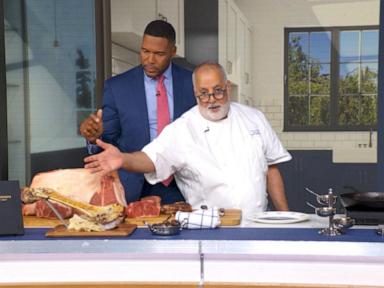
The obsession with what the ultra-wealthy and famous eat has spawned a massive sub-industry of culinary voyeurism, but few dishes hold as much cultural weight as the perfect steak. When former NFL defensive end and current television host Michael Strahan frequents high-end establishments, his preferred cut becomes an instant benchmark for luxury dining. Chef Sam Hazen, a culinary heavyweight known for engineering menus at institutions like Strip House and Tao, is the architect behind the specific steak preparation that captured Strahan’s loyalty. This isn't just about throwing a piece of beef on a grill. It is a highly calculated intersection of meat science, intense heat chemistry, and the relentless branding of celebrity lifestyle culture.
Understanding this dish requires stripping away the superficial glamour of the dining room and looking directly at the execution in the kitchen. The elite steak experience relies on a precise combination of dry-aging, extreme thermal searing, and high-fat basting that transforms a standard cut of beef into something worth hundreds of dollars per plate. You might also find this related article useful: Why Saskatchewan Mosquito Numbers Are Exploding This Summer.
The Science of the Char and Why Home Cooks Fail
Most people think replicating a world-class restaurant steak is a matter of buying an expensive cut from a local butcher. It isn't. The secret lies in the moisture content and the thermal capacity of the cooking surface.
Professional kitchens cook meat at temperatures that would cause standard home cookware to warp or fill a residential kitchen with blinding smoke. Chef Hazen’s methodology relies heavily on the Maillard reaction, a chemical reaction between amino acids and reducing sugars that gives browned food its desirable flavor. To achieve this rapidly without overcooking the interior of the beef, the surface of the meat must be completely dry. As highlighted in latest reports by Glamour, the results are worth noting.
High-end steakhouses often utilize specialized infrared broilers that reach temperatures upwards of 1,500 degrees Fahrenheit. The meat enters this chamber and develops an instantaneous crust, locking in moisture before the heat can penetrate deep enough to turn the center gray. At home, achieving even a fraction of this effect requires a heavy cast-iron skillet, heated until it is smoking hot, and a commitment to absolute dryness on the surface of the steak.
The Role of Dry Aging
You cannot discuss a premium steak without analyzing the aging process. Fresh beef contains a high percentage of water. When steak is dry-aged in a temperature- and humidity-controlled environment for 28 to 45 days, several critical transformations occur:
- Moisture Loss: The meat loses up to 20% of its water weight, concentrating the natural beef flavors.
- Enzymatic Breakdown: Natural enzymes break down the tough connective tissue, resulting in a texture that can be cut with minimal effort.
- Flavor Development: The fat oxidizes, introducing complex notes of nuttiness, blue cheese, and earthiness that cannot be replicated by marinades or seasonings.
This process is expensive. Restaurants lose a significant portion of their inventory to evaporation and the necessary trimming of the outer, unusable crust that forms during aging. That loss is directly factored into the steep price tag on the menu.
Deconstructing the Hazen Methodology
The recipe that won over Michael Strahan isn't bogged down by overly complex sauces or avant-garde presentations. It is grounded in classic, aggressive American steakhouse traditions. The focus is a bone-in ribeye, widely considered by chefs to be the most flavorful cut due to its intense intramuscular marbling.
[Bone-In Ribeye] -> [Generous Coarse Salt Coating] -> [High-Heat Sear] -> [Butter & Herb Basting]
The Selection of the Cut
The ribeye features two distinct muscles: the longissimus dorsi (the eye) and the spinalis dorsi (the cap). The cap is highly prized for its rich fat content and melt-in-your-mouth texture. By keeping the bone intact during the cooking process, the meat retains its shape better, and the marrow within the bone contributes to the overall richness of the surrounding flesh as it heats.
Seasoning and Basting
The seasoning protocol is surprisingly minimalist. Coarse kosher salt and cracked black pepper are applied with a heavy hand. Fine salt should be avoided, as it dissolves too quickly and draws out internal moisture before the meat hits the heat, creating a wet barrier that ruins the sear.
Once the initial crust is established via high heat, the cooking method shifts to arroser, a French technique of continuous basting. The chef introduces unsalted butter, smashed garlic cloves, and fresh sprigs of thyme or rosemary to the pan. As the butter melts and foams, it is spooned repeatedly over the steak. This carries the aromatic oils of the herbs into every crevice of the crust, while the milk solids in the butter caramelize, adding another layer of nutty sweetness to the exterior profile.
The Economics of Celebrity Culinary Endorsements
There is a distinct reason why dishes associated with names like Michael Strahan gain massive traction. It represents the monetization of taste. When a prominent figure validates a specific preparation, it elevates the restaurant from a mere eatery to a cultural destination.
| Element | Standard Steakhouse | Elite Celebrity Hotspot |
|---|---|---|
| Sourcing | USDA Prime Commercial | Single-Source Heritage Farms |
| Aging Period | 14–21 Days | 35–60+ Days Custom |
| Average Price | $60 - $80 | $120 - $250+ |
| Primary Draw | Quality of Food | Status and Atmosphere |
For the consumer, buying this specific steak isn't just an act of consumption; it is an attempt to temporarily access a curated lifestyle of luxury. Restaurants leverage this psychology effectively. A dish endorsed by a high-profile athlete or entertainer immediately justifies a premium markup that goes far beyond the raw cost of the ingredients.
Replicating the Experience Without Commercial Equipment
If you want to recreate this level of execution without an industrial kitchen, you have to modify your environment. The standard non-stick frying pan is useless here. It cannot hold enough residual heat, and the coating will degrade under the required temperatures.
- Source the Right Meat: Do not buy thin supermarket steaks. Look for a bone-in ribeye that is at least two inches thick. Look for abundant white flecks of fat distributed throughout the red meat, not just a thick strip of fat on the edge.
- Dry Brine Overnight: Salt the steak heavily with kosher salt 24 hours before cooking. Place it on a wire rack inside your refrigerator uncovered. The salt will draw out moisture, dissolve, and then be reabsorbed into the meat, seasoning it deeply while the refrigerator air dries out the surface completely.
- Control the Temperature Curve: Because the steak is thick, searing it exclusively in a pan will leave the center cold and raw while burning the outside. Use the reverse-sear method. Cook the meat in a low-temperature oven (around 225 degrees Fahrenheit) until the internal temperature reaches 115 degrees.
- The Final Sear: Transfer the steak immediately to a ripping hot cast-iron skillet with a high-smoke-point oil like avocado oil. Sear for one minute per side to develop the crust, dropping in your butter, garlic, and herbs during the final thirty seconds to baste aggressively.
Resting the meat after it leaves the heat is non-negotiable. During cooking, the muscle fibers tighten, pushing internal juices toward the center. If you cut the steak open immediately, those juices will run out onto the cutting board, leaving the meat dry. Allowing the steak to rest for ten minutes allows the fibers to relax and reabsorb the liquid, ensuring every bite is uniformly tender.
The allure of Michael Strahan’s favorite steak isn't rooted in culinary wizardry or secret ingredients. It relies entirely on the uncompromising execution of foundational cooking principles, combined with premium sourcing that respects the natural quality of the ingredient.