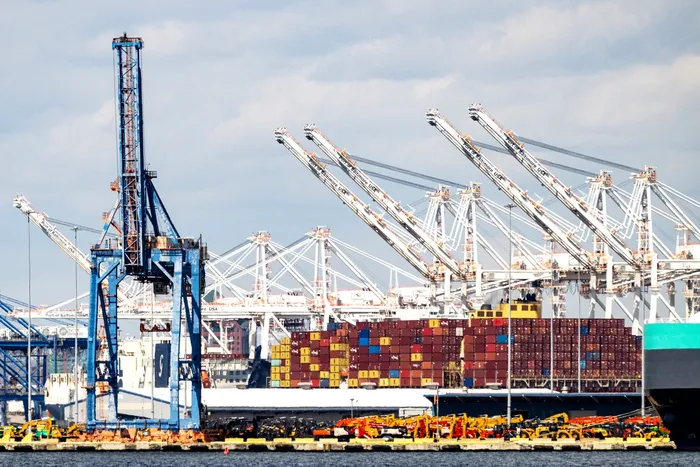
Customs and Border Protection is finally opening the vault. After years of litigation that climbed the rungs of the federal court system, the agency has begun the logistical nightmare of refunding billions in overpaid tariffs to thousands of American importers. This is not a voluntary gesture of goodwill. It is a forced retreat. For the businesses that have seen their margins squeezed by aggressive trade enforcement, the arrival of these checks marks the end of a long, expensive battle against executive overreach.
The core of this dispute rests on the government’s misapplication of specific trade laws, which led to the collection of duties that the courts have now deemed unauthorized. While the headlines focus on the fact that money is moving back to the private sector, the real story is the staggering complexity of the repayment mechanism and the hard lessons learned about the limits of administrative power.
The High Cost of Administrative Errors
Government agencies rarely admit they are wrong until a judge leaves them no other choice. In this instance, the "wrong" was a miscalculation of authority that cost American companies a fortune in liquidity. For years, importers were forced to pay elevated rates on goods while their legal challenges wound through the system. Those funds sat in government accounts, effectively serving as an interest-free loan from the private sector to the Treasury.
The scale of the refund process is unprecedented. We are looking at a backlog of thousands of entries that must be manually reviewed, recalculated, and liquidated. This isn't just about cutting a check. CBP must reconcile these payments against historical data that, in some cases, is years old. The administrative friction alone is enough to delay some payments for months, if not longer.
For a mid-sized electronics importer, the difference between a 10% tariff and a 25% tariff over three fiscal years can represent the entirety of their research and development budget. When that money is tied up in a legal dispute, innovation stops. Payroll gets tight. The "refund" is actually a restoration of stolen momentum.
Why the Refund Process is a Logistical Minefield
The logistics of returning billions of dollars are fraught with technical hurdles. CBP uses a centralized system for processing duties, but the nuances of these specific court-ordered refunds require more than a simple "undo" button. Each claim must be verified against the original entry summary.
The Problem of Protest Filings
Many companies may find themselves excluded from the windfall simply because they failed to follow the rigid procedural requirements for "protesting" a duty at the time of entry. In trade law, if you don't complain correctly and immediately, you often lose your right to recover funds, even if the underlying tax is later found to be illegal.
- Timely Protests: Most refunds are tied to entries that were kept "open" through active litigation or timely administrative protests.
- Liquidation Status: Once an entry is liquidated—meaning the government has finalized the paperwork—the window to claim a refund closes rapidly.
- Interest Calculations: The government owes interest on these overpayments, but calculating that interest across varying dates of entry adds another layer of accounting misery.
This creates a tiered system of winners and losers. Large corporations with massive legal departments stayed on top of their filings and will see the bulk of the returns. Smaller outfits that lacked the sophisticated trade counsel to file protective protests may find themselves staring at a closed door, despite having paid the same unlawful rates.
The Ripple Effect on Supply Chains
Money returning to corporate balance sheets doesn't just sit there. It re-enters an economy that has changed significantly since the funds were first seized. Companies are already earmarking these refunds for infrastructure, debt reduction, and inventory expansion.
However, the delay has already done its damage. Some importers didn't survive long enough to see the Supreme Court ruling. They went under because they couldn't bridge the gap created by the sudden spike in landed costs. For the survivors, the refund is a windfall, but it comes with the bitter taste of knowing that the original seizure was unnecessary.
The broader business community is now looking at trade enforcement with a newfound skepticism. If the government could be this wrong about a major tariff category, what else are they miscalculating? This skepticism is driving a shift in how companies handle their "total landed cost" models. They are no longer taking the government’s initial duty assessments as the final word.
The Burden of Proof and Documentation
To get paid, you have to prove you paid. It sounds simple, but for a business handling five hundred shipments a month, the documentation trail can be messy. CBP is requiring rigorous proof that the goods in question fall exactly within the parameters defined by the court's ruling.
Documentation Checklist for Importers
- Entry Summaries (Form 7501): The primary record of what was brought in and what was paid.
- Commercial Invoices: To verify the classification of the goods.
- Proof of Payment: Bank records or ACH transfer confirmations showing the duties were actually remitted.
If there is a single typo in the HTS (Harmonized Tariff Schedule) code used three years ago, the refund might be denied or delayed for an audit. The agency is under pressure to protect the revenue, which means they are looking for reasons to say no.
The Legal Precedent and Future Trade Policy
This isn't just about one specific tariff. This ruling sets a boundary for how the executive branch can use trade statutes to exert economic pressure. The courts have signaled that while the President has broad powers in matters of national security and trade, those powers are not a blank check to ignore the specific wording of the law.
Trade attorneys are already looking for the next vulnerability in the government’s tariff regime. This victory has provided a blueprint for how to challenge aggressive duty collections. It shows that the "exhaustion of administrative remedies" is a path worth taking, even when it takes years to reach the end.
The Treasury is now in a defensive position. Every dollar they return is a dollar that was already spent or allocated in previous budget cycles. This creates a fiscal vacuum that the government will eventually try to fill elsewhere. Businesses should be wary; the money coming back through the front door might eventually be clawed back through new fees or intensified audits in other areas of trade compliance.
Strategies for Managing the Windfall
Companies expecting significant checks need to have a plan before the money hits the account. Tax implications are the first hurdle. A refund of a previously deducted expense is generally considered taxable income. If a company receives a $5 million refund, they need to be prepared for the tax bill that follows.
Furthermore, many importers used "Duty Drawback" programs or other deferment strategies during the period of high tariffs. Reconciling a court-ordered refund with existing drawback claims is a nightmare of double-dipping prevention. If you already claimed a refund because you exported the goods, you can't claim this new refund on the same entry. CBP’s auditors will be watching this with predatory intensity.
The Accountability Gap
Despite the courts finding that the government overstepped, there are no real consequences for the officials who implemented the flawed policy. The taxpayers bear the cost of the interest payments, and the businesses bear the cost of the lost time. The system is designed to protect the agency from the fallout of its own errors.
The "First Phase" of these refunds is a test of the agency’s capacity to admit fault and execute a remedy. It remains to be seen how quickly the money will actually move. History suggests that while the government is fast to collect, it is agonizingly slow to repay.
Importers should treat their pending refunds not as a certainty, but as a contested asset. Stay in constant contact with your broker. Ensure your protests are still valid. Do not assume the check is in the mail until the funds have cleared your bank. The battle for the money has been won in court, but the battle to actually receive it is just beginning in the basement of the CBP processing centers.
The era of unquestioned tariff authority is hitting a wall of judicial reality. Companies that navigate this repayment phase with precision will emerge with a significant competitive advantage over those who simply wait for the government to do the right thing. Verify every entry, double-check every interest calculation, and be prepared to fight for the interest you are legally owed.


