You’re not imagining it. That bouquet of peonies and the Sunday brunch reservation you just booked are definitely hitting your wallet harder than they did last year. While Mother’s Day has always been a major retail event, 2026 is shaping up to be a record-breaker for all the wrong reasons if you're trying to save a buck. Total spending in the U.S. is projected to hit a massive $38 billion, according to the National Retail Federation. That’s up from $34.1 billion just a year ago.
If you’re wondering why your "standard" gift package feels like a luxury purchase, it’s because the price of showing appreciation has climbed by about 6% across the board. From supply chain hiccups to the rising cost of labor in the hospitality sector, the "Mom Tax" is very real this May.
The Big Three Price Hikes
The most traditional gifts are seeing some of the steepest climbs. If you’re sticking to the classics, here’s where you’ll feel the pinch most.
Jewelry is Leading the Charge
Jewelry isn't just the biggest spending category this year—it’s also seeing some of the most aggressive pricing. We're looking at a $7.5 billion total spend on sparkly things alone. That’s a 10% jump from 2025. Part of this is driven by the cost of gold and precious stones, but there’s also a shift toward "meaningful" luxury that retailers are happy to capitalize on. If you’re shopping for jewelry under $500, expect to pay about 7.3% more than you would have last spring.
The Floral Delivery Premium
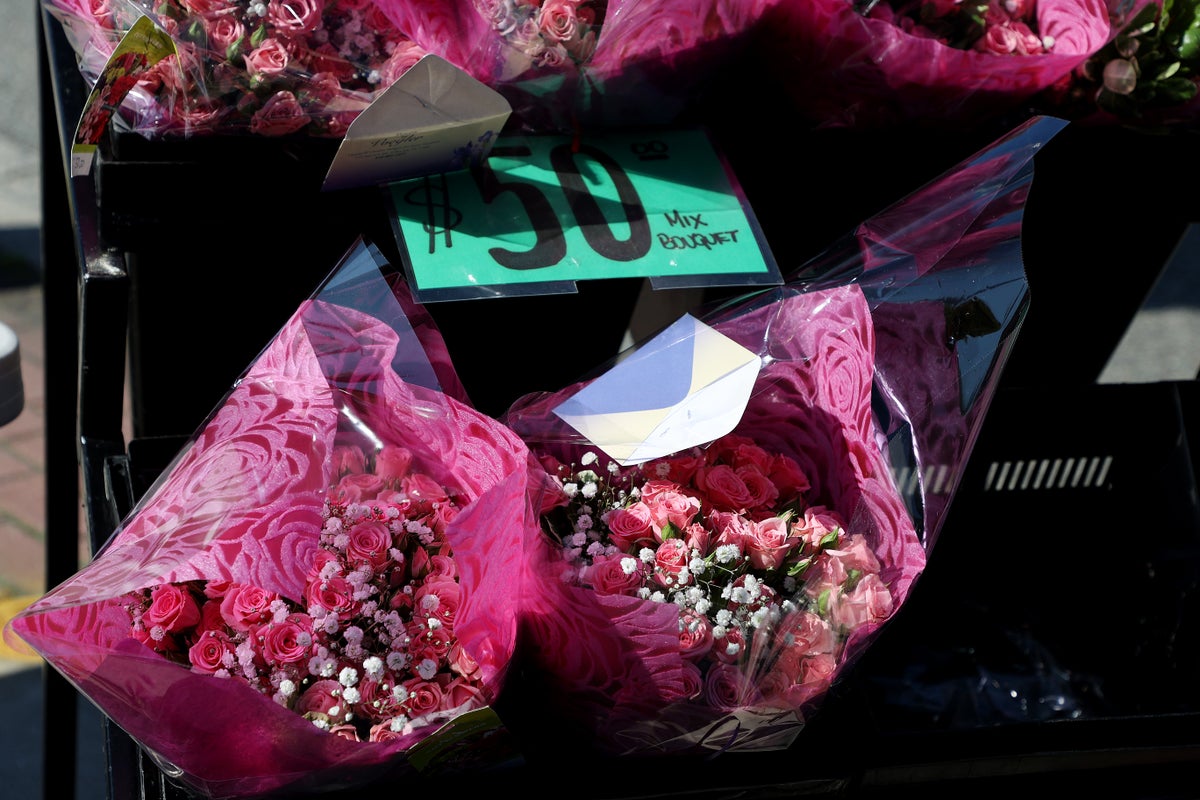
Flowers remain the most popular gift by volume, but they’re becoming a logistical nightmare for your bank account. It’s not just the flowers themselves; it’s the "Mother’s Day Surcharge" on delivery. Major florists are now charging between $5 and $11 extra just to guarantee delivery on the actual holiday. When you factor in the 7.3% price hike on the blooms themselves, that $50 bouquet quickly turns into an $80 ordeal once you hit the checkout button.
Dining Out and the Labor Factor
Taking Mom to brunch is a non-negotiable for many, but restaurant bills are up about 4% year-over-year. Why? It’s mostly labor. Restaurants are fighting tooth and nail to keep staff, and those higher wages get passed directly to your mimosa tab. A meal that cost you $64 last year is averaging $67 now—and that’s before you look at the "holiday set menus" that many high-end spots use to replace their cheaper a la carte options on Mother’s Day.
What Moms Actually Want vs. What We Buy
There’s a massive disconnect between what we’re spending money on and what mothers actually say they want. This is where you can save your budget and actually "win" the holiday.
- The Experience Gap: 44% of moms say they want an "experience" gift like a spa day or a special outing, yet only 11% actually received one last year.
- The Sleep Factor: About 38% of moms—especially those with young kids—just want to sleep in. That costs exactly zero dollars, yet we keep buying $7.2% more expensive chocolates instead.
- The Chore Load: 31% of moms want a day off from household responsibilities. If you’re spending $543 on a "complete package" of gifts but leaving her to do the dishes at the end of the night, you’re missing the mark.
How to Beat the Inflation Spike
You don't have to contribute to that $38 billion record if you don't want to. Since 81% of moms say thoughtfulness is the most important factor, you can pivot away from the high-inflation categories.
Skip the Sunday Delivery
If you’re sending flowers, have them delivered on Thursday or Friday. You’ll save on the delivery premium and Mom gets to enjoy them all through the weekend. Plus, they won't arrive wilted from a stressed-out courier rushing to finish a Sunday route.
Go Homemade or Sentimental
Handwritten cards and homemade gifts are consistently in the top five most-wanted items for moms. While jewelry and electronics prices are soaring, the cost of a heartfelt letter hasn't changed.
Watch the "Set Menu" Trap
Many restaurants use Mother’s Day to force diners into a three-course prix fixe menu that’s significantly more expensive than their usual offerings. If you're on a budget, look for "casual-plus" spots that keep their standard menu, or better yet, host a brunch at home. You can buy "premium" groceries for a fraction of the cost of a restaurant bill, and 40% of moms actually prefer a meal at home anyway.
The reality of 2026 is that everything costs more, but Mother’s Day shouldn't be a source of financial stress. Focus on the "mental load" shift—take over the planning, the cleaning, and the cooking. That’s the one gift that hasn't been hit by inflation.
Stop overthinking the price tag. Check your local flower shop for pick-up options instead of using a national delivery site, and book your "experience" gifts for a random Tuesday in June when the prices aren't jacked up for the holiday. Mom will appreciate the thought more than the receipt.