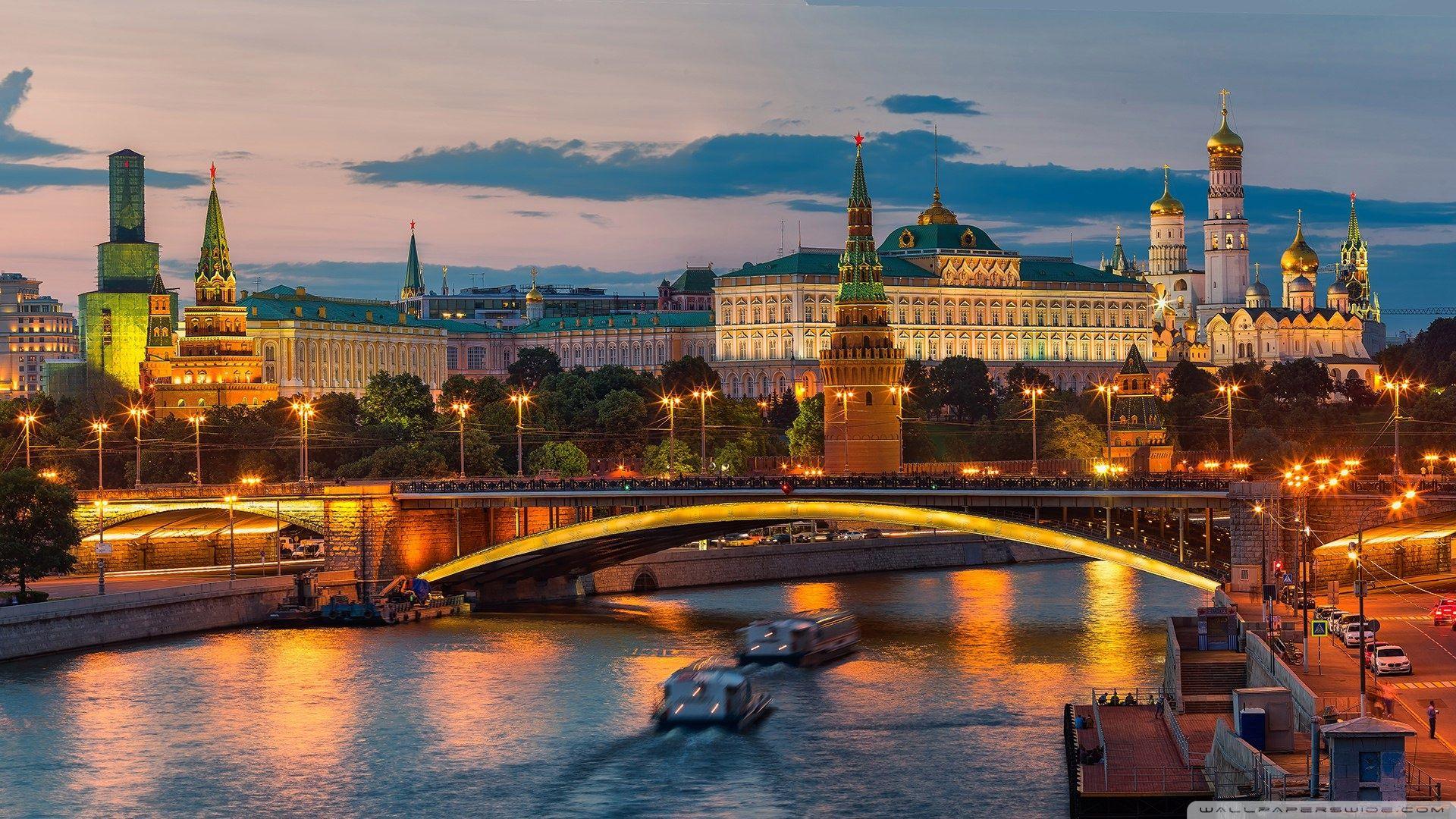
Ukraine’s massive drone strike on Moscow marks a critical inflection point in the war, exposing systemic vulnerabilities in Russia’s domestic air defense network that billions of rubles were supposed to guarantee. While Russian state media scrambled to report high interception rates, the sheer volume of uncrewed aerial vehicles (UAVs) pushing deep into the capital’s airspace reveals a stark reality. Kyiv is no longer just signaling its capability; it is actively overwhelming the layered defenses protecting the Kremlin's seat of power. This escalation forces a massive reallocation of Russian military assets away from the front lines to protect high-value domestic infrastructure.
For two years, the war remained largely an abstraction for the average resident of Moscow. That insulation has permanently shattered. The psychological impact of low-flying, explosive-laden drones detonating over high-end residential suburbs like Ramenskoye and rattling the windows of corporate high-rises cannot be overstated. By shifting the theater of operations into the Russian heartland, Ukraine is exploiting a structural math problem that Russia cannot easily solve.
The Mathematics of Saturation
Air defense is a game of economic and logistical asymmetry. It costs exponentially more to shoot down a drone than it does to build and launch one. Ukraine’s strategy relies heavily on this imbalance, utilizing a fleet of indigenous, long-range attack drones like the Liutyi and Bober. These platforms are cheap, manufactured from fiberglass and light plastics, and equipped with modest internal combustion engines. They fly low, slow, and possess a minimal radar cross-section.
When dozens of these cheap UAVs are launched simultaneously toward a single urban center, they create a saturation wave. Russia’s primary tactical air defense systems—specifically the Pantsir-S1 and Tor-M2 complexes—are highly capable on paper. They feature sophisticated radar tracking and a mix of surface-to-air missiles and rapid-fire autocannons. However, every defense system has a finite number of target engagement channels.
A single Pantsir vehicle can track and engage only a few targets concurrently. Once its ready-to-fire missiles are spent, the system requires a multi-minute reload sequence. Ukraine knows this. By launching waves of drones, the attackers force Russian operators to deplete their ammunition on initial targets, leaving subsequent waves free to penetrate the deeper rings of defense.
Furthermore, the geography of Moscow works against its defenders. It is a sprawling metropolis. Encircling such a vast urban footprint with a continuous, impenetrable wall of radar and interceptors requires a staggering amount of hardware. To protect Moscow, the Russian Ministry of Defense must strip assets from the front lines in the Donbas or leave critical infrastructure like oil refineries, airfield hubs, and logistical junctions exposed elsewhere in the country.
The Blind Spots in Soviet Legacy Infrastructure
To understand why these drones are reaching the capital, one must examine the legacy of the Soviet-era air defense doctrine that Russia inherited and modified. The system was designed to counter high-altitude NATO bombers, stealth cruise missiles, and ballistic threats. It relies heavily on massive, long-range radar networks like the S-400 Triumf.
[S-400 Long-Range Radar] ---> Optimized for High-Altitude/High-Speed Threats
                                   |
                                   v (Misses Low-Flying Objects)
[Terrain Obstacles/Trees] ---> Creates Radar Shadows
                                   |
                                   v (Exploited By)
[Ukrainian Low-Altitude UAVs] -> Penetrate Deep into Domestic Airspace
These long-range systems suffer from radar horizon limitations. Because the earth curves, a radar antenna positioned on the ground cannot see an object flying at an altitude of 50 meters until it is relatively close. Hills, dense forests, and high-rise buildings create permanent radar shadows. Ukrainian flight planners use Western-supplied terrain mapping and intelligence to chart paths through these exact blind spots, snaking along river valleys and avoiding known radar installations.
Once a drone gets past the outer radar belt, tracking it becomes a chaotic exercise. Urban environments generate immense radar clutter. Ground reflections, civilian cell towers, and moving vehicular traffic confuse automated tracking algorithms. When Russian forces attempt to use electronic warfare (EW) to jam GPS and navigation signals over Moscow, they frequently disrupt their own civilian infrastructure. GPS spoofing in the capital has sent commercial navigation apps haywire, grounding flights at major airports like Vnukovo and Domodedovo, achieving a secondary objective for Kyiv without firing a shot.
The Failure of Electronic Countermeasures
Electronic warfare is often touted as the silver bullet against drones. By flooding the airwaves with noise, EW units aim to sever the link between the drone and its operator, or blind its internal GPS receiver. This works against commercial quadcopters, but it is increasingly ineffective against long-range strategic UAVs.
Modern Ukrainian strike drones do not rely on constant pilot control. They are fully autonomous from the moment of launch, utilizing pre-programmed coordinates. To counter GPS jamming, these drones utilize inertial navigation systems (INS), which use internal accelerometers and gyroscopes to calculate position based on dead reckoning. While INS drifts over long distances, newer models integrate optical terrain contour matching (TERCOM) or digital scene-mapping cameras. These cameras look at the ground below, match the landmarks against satellite imagery stored in an onboard computer, and correct the flight path without needing a satellite signal. You cannot jam a camera that is simply looking at a river or a highway intersection.
The Strategic Realignment
Kyiv’s objectives stretch far beyond causing superficial property damage or generating headlines. The true target is the Russian military’s distribution of force. Every air defense battery tied down defending a government ministry building in Moscow is a battery that cannot protect a ammunition depot in Crimea or a command post near Kharkiv.
+---------------------------------------------------------+
|                Russian Dilemma                          |
+---------------------------------------------------------+
| Move Pantsir/S-400 to Moscow -> Front Lines Vulnerable   |
| Keep Pantsir/S-400 at Front  -> Capital Exposed         |
+---------------------------------------------------------+
Russia is facing a severe resource bottleneck. While its defense industry can produce missiles at a steady rate, manufacturing the sophisticated radar chips, tracking arrays, and specialized vehicles for systems like the Pantsir is a bottleneck exacerbated by Western sanctions. They cannot scale their air defenses at the same speed Ukraine can scale its domestic drone assembly lines, which operate out of decentralized, underground workshops across the country.
This asymmetry alters the calculations of the conflict. By forcing Russia into a defensive posture within its own borders, Ukraine disrupts the logistical tail that feeds the invasion force. When major airports close due to drone alerts, military transport logistics stall alongside civilian flights. The economic friction accumulates, forcing the Kremlin to burn through financial reserves to fortify domestic territory.
The war has moved past the phase of localized border clashes. The penetration of Moscow's airspace demonstrates that geographic distance no longer offers security in an era of autonomous, low-cost precision strike capabilities. Russia's air defense illusion has evaporated, replaced by a grueling war of attrition fought in the skies above its own capital.