Low-cost fine art acquisitions that later achieve six-figure or seven-figure valuations are not accidents of luck; they are predictable outcomes of severe information asymmetry across thin, heterogeneous secondary markets. When a work linked to an established master—such as a small oil study or landscape attributed in the orbit of John Constable—sells for tens of dollars and later clears hundreds of thousands after formal authentication, the gap reflects a failure of price discovery rather than a sudden change in the physical object. This analysis provides an operational blueprint for identifying misattributed or overlooked works, separating verifiable provenance and technical evidence from speculative wishful thinking, and executing disciplined acquisition and verification workflows without ignoring structural market friction.
Deconstructing the Windfall Narrative
Conventional reporting on low-entry art discoveries relies on a simple hook: an everyday buyer pays a negligible sum, a specialist spots an overlooked signature or compositional trait, and a dramatic valuation jump follows. That framing entertains readers, yet it obscures the mechanics that made the mispricing possible in the first place. A headline figure comparing an initial purchase price to a post-authentication appraisal or hammer result treats two completely different assets as if they were identical. You might also find this connected coverage interesting: London Corporate Events Are Dying of Boredom and You Are Footing the Bill.
In reality, an unauthenticated work or loose attribution carries steep discount factors. Market participants price in four distinct risks before bidding:
- Authenticity risk: The possibility that the work is a copy, studio workshop piece, later pastiche, or outright forgery rather than autograph work by the named artist.
- Provenance risk: Missing ownership records, broken chains of custody, unclear export or cultural-heritage status, or disputed inheritance that depresses institutional and high-net-worth demand.
- Physical condition risk: Varnish degradation, overpainting, canvas or panel instability, pigment shifts, or prior restoration that can mask brushwork or reduce net realizable value after conservation.
- Liquidity and transaction cost risk: Auction buyer and seller premiums, transport insurance, framing, conservation bills, and long holding periods before a credible sale confirms value.
A low initial price is therefore a rational response to high uncertainty when information is scarce. The spread between the early sale price and the later authenticated valuation represents compensation for bearing risk, resolving uncertainty through research and technical analysis, and accessing a deeper buyer pool. As highlighted in recent articles by The Wall Street Journal, the effects are worth noting.
The Economics of Information Asymmetry in Secondary Markets
Fine art violates almost every assumption of an efficient market. Unlike standardized equities or commodities, each painting is unique, non-fungible, and evaluated subjectively alongside empirical scholarship. Price discovery depends heavily on who sees the object, what expertise they bring at the moment of sale, and which venue hosts the transaction.
Why Misattribution Persists at the Low End
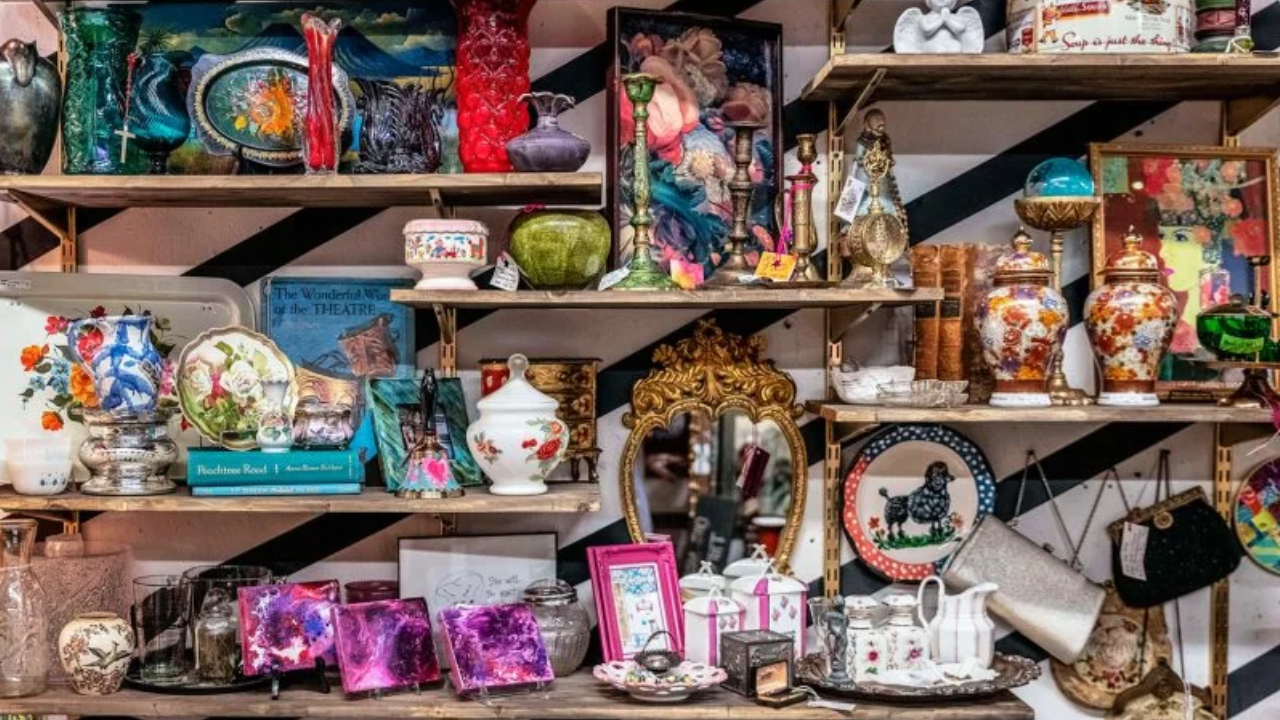
Regional estate sales, general household auctions, online listings, and charity shops process high volumes of items with minimal cataloguing budgets. Cataloguers working under tight turnaround times rarely have the hours or specialist training required to distinguish an autograph oil sketch by a major landscape painter from a competent nineteenth-century imitation, a pupil's study, or a later reproduction.
When a cataloguer assigns a cautious label—such as "manner of," "circle of," "attributed to," or simply an unknown hand—the market applies a heavy discount. Even experienced collectors scrolling through hundreds of lots often pass over poorly photographed, dirty, or heavily varnished works because the expected return on investigation looks poor relative to the probability of a false positive.
The second bottleneck sits in verification. Authentication is slow, expensive, and socially concentrated. For many major historical artists, scholarship evolves through catalogues raisonnés, museum curatorial reviews, archival correspondence, and scientific examination. A work can sit in private hands or secondary circulation for decades simply because no specialist with authority has examined it under proper lighting and technical imaging.
Fact Versus Hypothesis in Discovery Stories
Rigorous analysis requires separating established facts from educated hypotheses. In public accounts of bargain art discoveries, those two categories frequently blur.
Known facts consist of verifiable physical attributes and documented transactions: recorded sale prices and dates, dimensions, support material (such as canvas, millboard, or wood panel), inscriptions or labels on the verso, physical condition reports, and formal written opinions or auction results.
Educated hypotheses involve proposed attributions, suggested dates within an artist's career, inferred histories of how a painting moved between collections, and projected market values prior to a completed arm's-length sale. A valuation estimate or an enthusiastic preliminary view from a dealer is a hypothesis about willingness to pay; an actual cleared transaction between informed parties is closer to a market fact, though still subject to venue and timing effects.
Technical and Archival Verification Mechanisms
Moving a work from an intriguing hunch to a credible attribution requires layering documentary evidence with physical inspection. Relying on a single clue—such as a similar tree silhouette, cloud formation, or initials scratched into dry paint—is one of the fastest ways to lose money.
Documentary and Provenance Analysis
Provenance research reconstructs the legal and historical chain of ownership from creation to the present. Investigators examine exhibition catalogues, collection inventories, auction records, family papers, dealer stock books, and framing or gallery labels attached to the stretcher or backing board.
Even when a complete chain of custody is missing, secondary clues matter. A specific type of canvas weave, stretcher construction, or frame moulding can point toward a particular region or period, helping narrow down whether a work is contemporary with the artist or a later revival.
Scientific and Material Examination
Conservators and technical art historians use non-invasive and micro-invasive methods to test whether materials align with the artist's known practice and period:
- Raking and ultraviolet light inspection: Raking light highlights surface topography, impasto, and canvas deformation, while ultraviolet fluorescence helps distinguish original paint films from later retouching and aged varnish layers.
- Infrared reflectography and imaging: Infrared wavelengths can penetrate certain upper paint layers to reveal underlying drawing, compositional shifts, or pentimenti that clarify how the image was constructed.
- Pigment and medium analysis: Techniques such as X-ray fluorescence (XRF), Raman spectroscopy, or cross-sectional microscopy identify chemical elements and binding media, flagging anachronistic pigments that could not have been used during the artist's lifetime.
- Support and craquelure assessment: Examining wood grain, panel joinery, canvas tension, and aging crack patterns helps evaluate whether wear is consistent with age or artificially induced.
Technical alignment does not by itself prove authorship—a skilled contemporary or copyist could use period-accurate materials—but material mismatch can decisively rule out an attribution.
A Tactical Workflow for Evaluating Overlooked Works
Anyone sourcing mispriced art in estate sales, regional auctions, or online marketplaces can apply a structured triage process to protect capital and avoid confirmation bias.
Step 1: Establish Hard Disqualifiers Before Bidding
Set a strict ceiling on speculative spend based on what the piece is worth if proven to be a decorative copy or minor work of no special authorship. If the support shows modern synthetic backing, obvious factory-style printing, or severe structural damage beyond your risk tolerance, pass immediately regardless of the story attached to the listing.
Step 2: Capture High-Signal Visuals and Physical Clues
Inspect the work in person whenever feasible. Photograph the front straight-on and at oblique angles, and document the back, edges, frame, stamps, handwriting, and labels. Note any areas obscured by dirt or heavy yellowing, as surface grime frequently flattens tonal contrast and hides brushwork nuance.
Step 3: Benchmark Against Verified Works and Scholarly Consensus
Compare composition, scale, brushwork rhythm, and palette against authenticated works from the artist's documented periods rather than generic online thumbnails. Check whether the artist has a living authentication board, an active specialist dealer community, or a published catalogue raisonné, and note any formal policies restricting how attributions are issued.
Step 4: Sequence Diligence Spend by Value Threshold
Do not commission expensive laboratory testing on a low-value gamble before completing basic visual, historical, and specialist screening. Escalate to paid conservation assessment or technical imaging only when preliminary evidence clears initial hurdles and the potential upside justifies the outlay.
Step 5: Model Full-Cycle Net Economics
Estimate total all-in cost before celebrating a low purchase price. Factor in buyer's premiums, shipping, specialized crating, insurance, conservation treatment, technical reports, framing, and eventual selling commissions. A wide gross spread can shrink substantially once full transaction friction and time are accounted for.
Structural Limitations and Market Realities
Even a disciplined analytical framework has sharp boundaries. Survivorship bias distorts public perception: media coverage spotlights dramatic wins while ignoring the vast majority of "hidden treasures" that turn out to be copies, workshop pieces, or modest period works worth a fraction of hopes.
Furthermore, authentication in fine art is not always binary. Experts can disagree, attribution standards evolve, and some estates or committees decline to authenticate works submitted outside narrow channels. A work that looks promising today may remain in a gray zone of "attributed to" or "Circle of," commanding a meaningful premium over a generic decorative piece yet trading well below an undisputed autograph work.
Liquidity is another constraint. A compelling attribution does not guarantee instant cash conversion at peak estimates. Finding the right buyer may require placing the work in a specialized auction sale, waiting for seasonal market cycles, or accepting a conservative reserve price.
Strategic Play for Sourcing High-Asymmetry Finds
Rather than hunting for lightning strikes in single trophy lots, treat bargain art sourcing as a high-rejection, low-cost screening funnel focused on under-researched secondary venues where cataloguing depth is low and visual inspection is possible. Build a repeatable reference library of genuine works, period materials, and typical copyist telltales for a narrow slice of artists or schools you know well, cap downside exposure on every unverified purchase at a level you can comfortably absorb as tuition, and commit serious capital and specialist fees only when documentary and physical evidence align across multiple independent checks.