The Mediterranean transit route functions as a high-risk logistics network defined by severe structural imbalances. On August 17, 2026, the recovery of seven deceased individuals and the rescue of 50 survivors from a vessel off the Libyan coast provides a diagnostic snapshot of these systemic failures. By mapping this event against current operational data, we can decompose the migration dynamic into three primary vectors: vessel capability, intercept capacity, and geopolitical constraints.
The Physics of the Transit
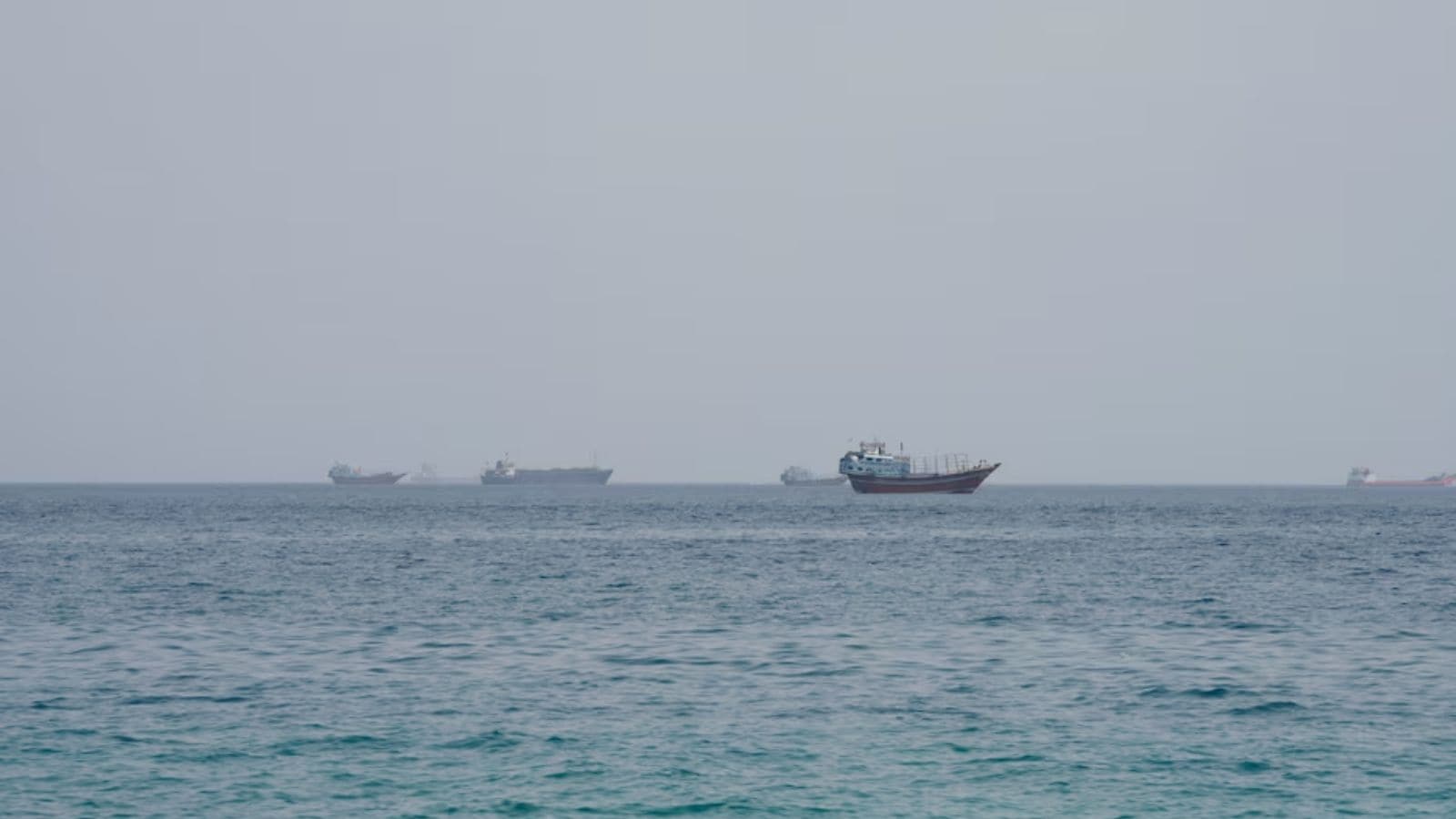
The incident involved a small, wooden craft—a standard unit in this shadow logistics chain. These vessels lack the engineering specifications required for open-sea transit, let alone the endurance for the distance between Libyan departure zones and Italian reception points. The reported asphyxiation among the rescued survivors highlights the extreme environmental stressors inherent in these transits. Overcrowding reduces oxygen availability in poorly ventilated holds and forces exposure to the thermal extremes of the Mediterranean basin. When a vessel exceeds its structural capacity, its buoyancy coefficient drops to a critical threshold where minor sea-state variations trigger rapid hull failure or capsizing. This is not an accident of nature; it is a predictable outcome of forced material overextension.
The Dynamics of Interception
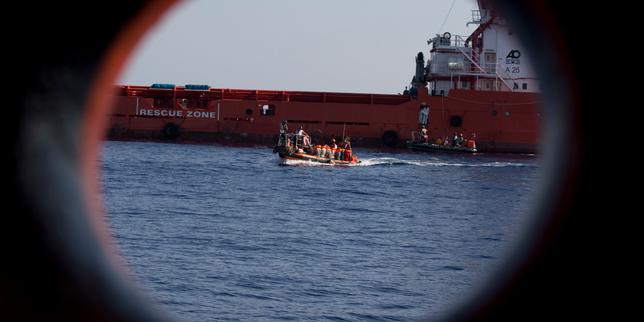
The rescue operation conducted by the Italian non-governmental organization (NGO) Emergency illustrates the friction between maritime distress protocols and jurisdictional enforcement. The timing of the intervention—conducted under the surveillance of a Libyan patrol vessel—reveals the complex overlapping of rescue zones.
The mechanism of risk here involves a time-sensitive equation:
- Detection Gap: The duration between vessel departure and the initiation of distress signals.
- Resource Proximity: The spatial distance between the vessel in distress and the nearest capable maritime unit.
- Political Friction: The degree of alignment between national coast guards and non-governmental search-and-rescue (SAR) entities.
When political policy restricts NGO access to high-risk zones, the Detection Gap widens, often beyond the survivability window of a compromised wooden craft. The decrease in recorded arrivals—17,800 migrants in Italy through August 2026 compared to 39,116 in the same period of 2025—indicates the impact of these containment-based policies. However, data suggests that reduced arrival numbers do not correlate with reduced hazard levels; rather, they correlate with a shift in the nature of the transit, often driving departures toward more hazardous, less-monitored routes or increasing the concealment of casualties.
The Geopolitical Constraints
The current regulatory architecture relies heavily on bilateral agreements between the Italian government and North African transit states, specifically Libya and Tunisia. The goal of these agreements is to internalize the costs of transit suppression within the departure countries. This creates a bottleneck effect: while departure states act as a physical buffer, they lack the legal and humanitarian infrastructure to manage the resulting pressure. The consequence is a volatile environment where migrants are trapped in detention or forced to utilize increasingly clandestine, higher-risk departure channels to bypass state surveillance.
Strategic Implications
The data suggests that the status quo is a self-reinforcing cycle of interception-induced risk. Policy frameworks focused exclusively on supply-side restriction (preventing departure) fail to account for the persistent demand drivers within the migrant origin populations. As long as the risk-adjusted cost of attempting the transit remains lower than the perceived opportunity cost of remaining in their current environments, the flow will persist regardless of interdiction measures.
A shift in strategic focus is required. Moving from a reactive, rescue-based model to a proactive, surveillance-and-integration framework would require:
- Information Density: Standardizing the monitoring of departure zones to detect compromised vessels at the point of origin, thereby shifting the rescue perimeter closer to the coast and away from the high-seas transition zones.
- Jurisdictional Clarity: Establishing pre-negotiated, cross-jurisdictional rescue protocols that remove the political friction between NGO assets and state-backed maritime patrols.
- Operational Transparency: Moving beyond simple arrival tallies to track casualty rates and transit failure patterns. This allows for the allocation of maritime resources based on statistical models of "high-probability distress zones" rather than randomized patrol patterns.
Resource allocation must mirror the geography of risk. If intelligence indicates that 50 survivors out of a larger manifest is the statistical norm, the current intervention velocity is insufficient. Tactical response must prioritize high-frequency, low-latency identification of vessels at the moment of launch. This shifts the operational focus from a "search and rescue" effort to a "preventative extraction" model.
Méditerranée: 7 morts et 50 migrants secourus
This video and the related report confirm the operational details of the rescue, illustrating the typical high-risk conditions and the role of NGO interventions in managing casualties during maritime distress events.