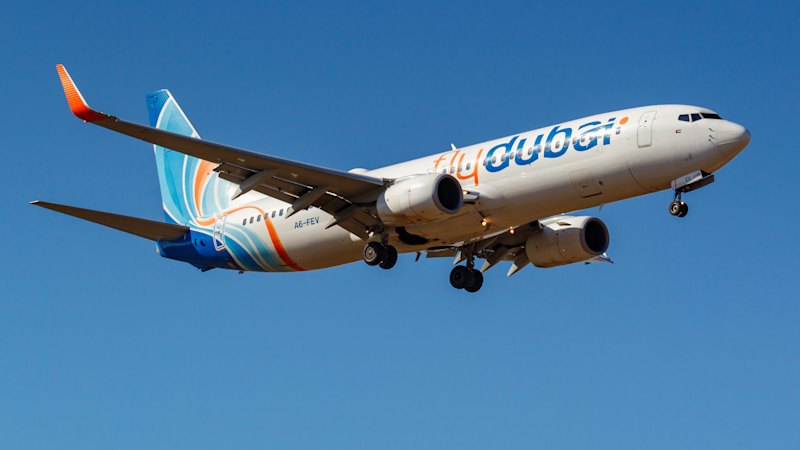
The headlines following the alleged cockpit attack on a flight bound for Tel Aviv were predictable. They screamed of imminent danger, invoked memories of historical skyjackings, and instantly triggered a fresh wave of performative security theater at airports worldwide. The lazy consensus in every mainstream newsroom is that our commercial skies are uniquely vulnerable, that a single violent incident proves the system is failing, and that we need more metal detectors, stricter behavioral profiling, and heavier steel doors to keep us safe.
It is all absolute nonsense.
I have spent years watching aviation security panic over anomalies while completely ignoring actual risk management. Every time a disturbed individual commits an act of violence onboard, the public demands an ironclad bubble. They want a sterile, zero-risk environment that physics and human nature make impossible to deliver. The Tel Aviv incident was terrifying for the passengers involved, but treating it as a systemic crisis of flight deck security is a profound misdiagnosis of how modern aviation actually works.
The Myth of the Impenetrable Cockpit
Ever since the structural shift in aviation security following the turn of the century, the commercial flight deck has been treated like a nuclear silo. Reinforced doors, deadbolts, video surveillance, and strict operational protocols were installed to ensure that nobody outside the flight crew could ever breach that sanctuary.
When a passenger manages to cause chaos near the front of the cabin or struggle with crew members, the panic button gets hit immediately. The narrative shifts instantly to hijack fears. But let us look at the mechanics. A commercial airliner cruising at thirty-five thousand feet is not a soft target. It is a controlled, pressurized tube flying through hostile air.
The security apparatus wants you to believe that the reinforced door is the ultimate shield. It is not. It is a psychological barrier designed to prevent coordinated mass takeovers, not an absolute guarantee against human unpredictability. When security experts act shocked that a determined person can cause a disturbance inside a pressurized tube containing two hundred strangers, they are displaying willful ignorance of statistics.
Commercial aviation remains the safest mode of mass transportation in human history precisely because security is redundant, not because a single door stops every bad actor. Focusing on the weapon used or the exact physical location of the scuffle misses the entire point of how aviation resilience functions.
Why More Security Theater Makes You Less Safe
Whenever a headline mentions a cockpit threat, politicians and aviation authorities scramble to announce new rules. They want to look decisive. They want to show the public that something is being done.
This is where the real danger lies. Every layer of additional security theater—longer lines, more invasive bag checks, restricted liquids, and paranoid crew protocols—shifts resources away from actual threat mitigation and into administrative bloat.
Imagine a scenario where airlines are forced to install biometric checkpoints at every gate, conduct psychological clearances for every economy passenger, and lock passengers in their seats for the duration of the flight. It sounds absurd, yet every time a sensational incident hits the news, we creep one step closer to that dystopian reality.
The truth that regulators refuse to admit is that you cannot engineer human malice out of a metal tube. There are tens of thousands of commercial flights operating globally every single day. If you look at the raw numbers, the frequency of onboard physical assaults or security breaches is statistically near zero. When an anomaly occurs, treating it as an epidemic that requires sweeping systemic overhaul is just a grift to justify higher ticket fees and bloated security budgets.
The Real Threat Is Not the Passenger With a Knife
The obsession with physical weapons inside the cabin ignores the actual vulnerabilities of modern transport networks. The real risks in aviation are structural, psychological, and systemic.
Pilot fatigue, inadequate rest periods, understaffed air traffic control towers, and legacy software systems are infinitely more dangerous than a rogue passenger with a makeshift weapon. Yet, none of these systemic failures generate the kind of breathless, prime-time television ratings that a phrase like "blood in the cockpit" produces.
The media loves a physical struggle because it is visual and visceral. It taps into our most primitive fears of being trapped at high altitudes with an unstable person. But aviation safety is maintained by boring, unsexy protocols: checklists, redundancy, pilot training, and fuel management.
When we let sensationalist reporting dictate regulatory policy, we drain capital from the boring parts of aviation that actually save lives and dump it into performative security measures that only serve to make boarding a flight more miserable.
What You Should Actually Do When You Fly
If you want to survive your next flight, stop worrying about whether someone is going to breach the flight deck door. They aren't.
Instead, worry about the things within your control as a passenger. Wear your seatbelt whenever you are seated, regardless of whether the sign is illuminated. Clear turbulence injuries cause vastly more hospitalizations and trauma than any in-flight security breach ever will. Pay attention to the safety briefing, even if you have heard it a hundred times, because muscle memory matters when an evacuation is required in ninety seconds.
And most importantly, stop swallowing the panic porn served up by news outlets that profit from your anxiety. The sky is not falling. The pilots are trained, the procedures work, and a localized human failure does not mean the entire global network is compromised.
The next time a headline tries to terrify you with cinematic buzzwords about hijack fears, remember that the safest place you can possibly be is right there in your cramped, delayed seat at thirty thousand feet. Stop demanding impossible perfection from a messy world.