Europe is finally dropping the polite diplomatic talk and pulling out the heavy financial artillery.
For years, the European Investment Bank (EIB) acted like a cautious climate fund, steering clear of anything that smelled too much like traditional military hardware. Those days are officially over. The EIB just locked in an unprecedented 3 billion euro financing package for Airbus SE. This isn't just another corporate credit line. It's the largest corporate loan the bank has ever authorized in its history. Discover more on a similar subject: this related article.
The first 1 billion euro tranche was signed on June 29, 2026, in Brussels. If you look past the standard press release jargon about "manufacturing excellence," the real intent becomes clear. Europe is terrified of losing its industrial edge to the United States and China. With member states deadlocked over the upcoming 2028-2034 EU budget and fiscal capacity exhausted by the war in Ukraine, Brussels is using the EIB to bypass political gridlock and inject cash straight into its industrial champions.
The real numbers behind the mega loan
Let's look at how this deal actually works. The 3 billion euro package isn't a single cash dump. It's a structured facility running through 2030, specifically targeted at research, development, and innovation across France, Germany, and Spain. More reporting by MarketWatch delves into similar views on this issue.
Airbus Chief Financial Officer Thomas Toepfer didn't hide his excitement about the terms. He noted that the extended flexibility and competitive rates grant the planemaker maximum options to manage its balance sheet and minimize the "cost of carry"—the cost of holding onto borrowed money before spending it. For a massive engineering giant, getting long-maturity, low-interest funding from a state-backed lender is an incredible advantage.
The cash splits across two major focus areas:
- Commercial aviation: Next-generation connected systems, advanced aerospace manufacturing, and initiatives to curb carbon emissions.
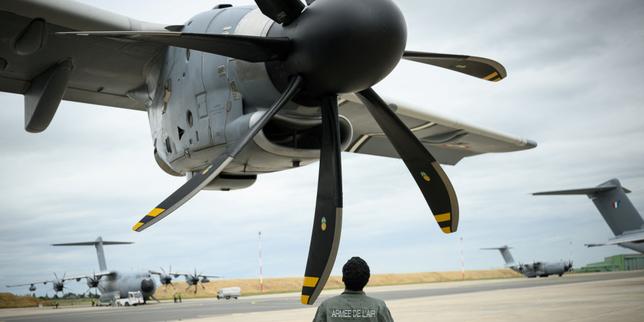
- Security and defense: Upgrading integrated systems, military aviation, and satellite infrastructure.
This funding drops at a critical moment. Airbus, Thales, and Leonardo are currently working on a massive alliance to integrate their satellite activities. They are trying to build a viable European competitor to Elon Musk's Starlink constellation. Space and defense are no longer side projects for Europe; they are central to economic survival.
Why Brussels is weaponizing the EIB
To understand why this loan matters, you have to understand the deep panic inside European policy rooms.
The European Union's common budget is maxed out. Member states are arguing over how to fund the next decade of defense, and nobody wants to pay more taxes. By using the EIB under its TechEU initiative, the bloc can leverage its financial institutions to protect its industrial base without needing a unanimous political vote from every single member state.
EIB President Nadia Calviño pushed this deal through in about six months from the initial request. In Brussels time, that's lightning speed. Calviño openly stated that the bank is deploying its full firepower to support European champions in a harsh geopolitical arena.
It's a dramatic change in philosophy. Historically, the EIB focused heavily on green infrastructure, roads, and regional development. But as trade tensions rise with Washington and Beijing, the EU is realizing that green goals don't mean much if your core aerospace and defense tech gets hollowed out by foreign competitors. Boeing might be struggling with quality control right now, but US defense spending remains a gargantuan engine that subsidizes American aerospace innovation. Europe is finally trying to build an engine of its own.
What this means for the global aerospace balance
This loan isn't a bailout; it's a pre-emptive strike. Airbus is already leading Boeing in commercial aircraft deliveries, but the defense side is a completely different ballgame.
By guaranteeing 3 billion euros in predictable, long-term financing, the EIB ensures that Airbus doesn't have to cut its R&D budget if the global economy hits a rough patch over the next four years. It allows their engineers to keep working on next-generation military transport, refueling tankers, and security networks without constantly looking at the quarterly stock price.
If you are tracking the aerospace sector, watch how Airbus allocates these funds across its French, German, and Spain facilities. The company is under immense pressure to deliver on its commercial backlog while simultaneously ramping up defense production to meet the sudden wave of orders from European militaries. This cash injection gives them the breathing room to do both without blowing up their debt-to-equity ratio.
The immediate next step for the industry is watching how Washington responds. Subsidies and state-backed financing lines have always been a flashpoint between the US and the EU. This record-breaking loan proves that Europe is no longer afraid of playing a protectionist hand to keep its industrial crown.