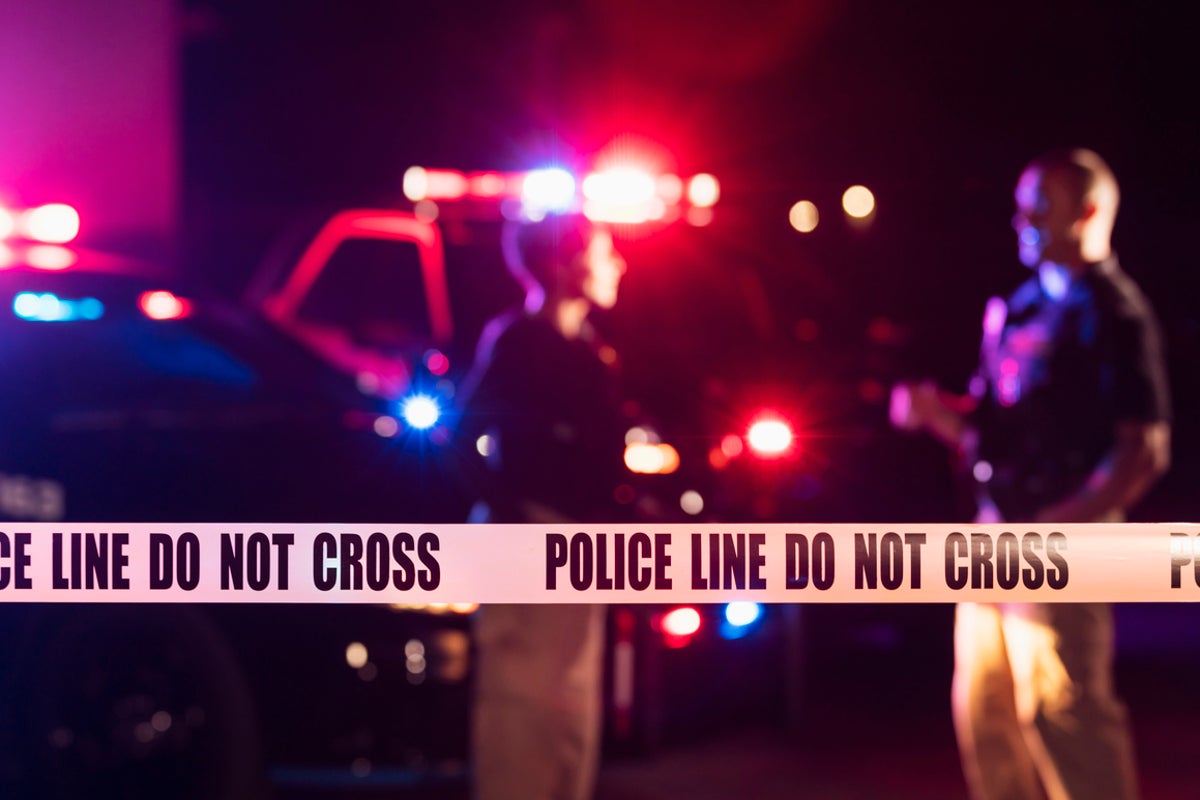
Public spaces are supposed to be safe. They are where you take your kids on a Saturday morning, where you walk the dog after a long workday, and where communities gather for festivals and celebrations. When violence tears through that sanctuary, the psychological impact lingers long after the police tape comes down. Panic sets in instantly. People run. Families get separated. A mass shooting in a public park changes how an entire town views its open spaces, turning routine outdoor recreation into a place of sudden vulnerability.
You hear the first pop, and your brain hesitates. It sounds like fireworks at first. Then you see the stampede.
When a shooting erupts in a crowded public venue, the chaos is absolute. Sirens wail, helicopters circle overhead, and families scramble for cover behind picnic tables, trash cans, or concrete barriers. That terrifying reality played out when a burst of gunfire shattered a community gathering, leaving one person dead and thirteen others wounded. The aftermath leaves local leaders scrambling for answers, police combing through witness testimony, and residents questioning the baseline safety of everyday life.
The Immediate Chaos on the Ground
Panic moves fast. People don't think; they react.
When bullets start flying in an open-air environment, traditional security measures fail. Parks lack the metal detectors and access points of stadiums or airports. They are designed to be welcoming and porous. That openness makes them exceptionally difficult to secure when an individual decides to open fire into a crowd.
Witnesses report hearing multiple rounds fired in rapid succession. Shoppers, runners, and families enjoying a weekend outing hit the grass before running for nearby parking lots and residential streets. Local hospitals quickly fill with trauma victims, medical staff working frantically to triage injuries ranging from grazing wounds to critical gunshot trauma.
The physical injuries heal over weeks and months. The mental toll takes much longer.
Why Public Park Safety Is So Hard to Solve
City planners and law enforcement face an impossible balancing act. You cannot turn a neighborhood park into a fortress without destroying its core purpose.
- Open Access: Parks have dozens of entry and exit points, making perimeter security nearly impossible.
- Crowd Density: Spontaneous gatherings or organized community events create dense pockets of people.
- Lighting and Geography: Trees, winding trails, and large acreage create blind spots for security cameras and patrols.
Urban safety experts often debate the best path forward. Some push for increased police presence and CCTV installation. Others argue that heavy-handed policing ruins the welcoming atmosphere of communal spaces. There is no easy fix. Investing in community intervention programs and mental health resources often addresses the root causes of violence much better than adding security cameras after a tragedy occurs.
Supporting Communities After Tragedy
Healing takes time, but communities usually rally fast. Vigils replace crime scenes. Neighborhood groups organize safety walks. Local mental health organizations step up to offer grief counseling for children and adults who witnessed the horror firsthand.
If you or someone you know was impacted by community violence, local support systems matter. Reach out to municipal victim services or local counseling centers that specialize in trauma recovery. Ignoring the psychological shock only prolongs the pain.
Public spaces will always carry some level of risk because they are meant for everyone. Addressing that risk requires a realistic look at gun violence, urban design, and mental health support. We have to do better at protecting the places where we live our lives.