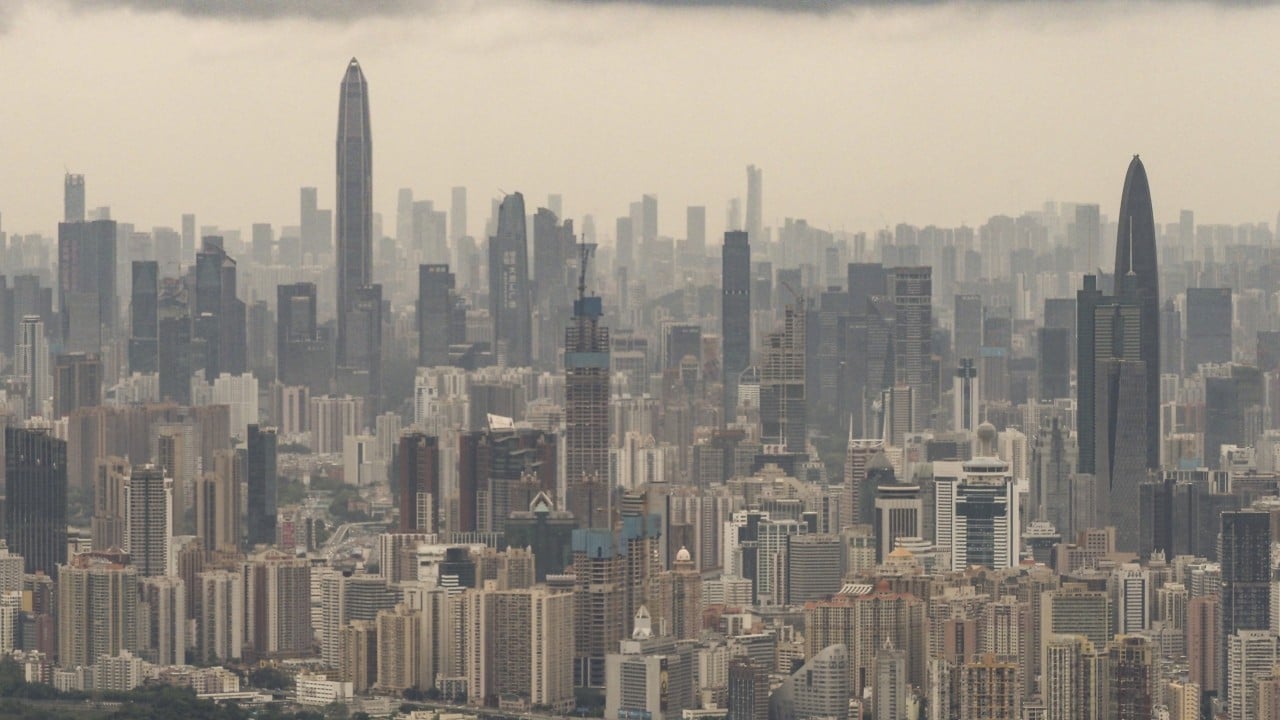
The rain in Shenzhen hits the glass towers with a sharp, metallic rhythm, echoing the relentless speed of a city built in a generation. Down below, the streets move in a blur of electric delivery scooters and hurried footsteps. Yet, twenty miles south across a border that used to feel like an ocean, another world breathes at a different pace. Hong Kong carries the weight of history in its old stone walls, its narrow trams, and its quiet, deeply institutionalized culture of giving.
For decades, these two territories lived like distant neighbors who spoke the same language but kept entirely separate diaries. Shenzhen traded in hardware, speed, and venture capital. Hong Kong traded in finance, legal guardrails, and centuries-old philanthropic foundations. They lived side by side, yet apart.
Then came the redrawing of the map.
The Greater Bay Area initiative arrived with grand blueprints and bureaucratic acronyms, promising to weld nine Guangdong cities with Hong Kong and Macau into a singular economic powerhouse. Economists counted the container ships. Technologists mapped the semiconductor supply chains. But behind the ledgers of GDP growth, a quieter experiment began to unfold. What happens when the most hyper-accelerated engine of wealth creation on earth meets the oldest, most sophisticated machinery of charity in the region?
To understand the stakes, you have to look past the steel and glass and into a dusty community center in Guangzhou.
Meet Lin. (To protect privacy in a rapidly shifting regulatory climate, this is a composite profile built from field interviews with mainland social entrepreneurs.) Lin runs a grassroots organization attempting to support families of migrant workers. The passion is infinite. The bank account is fragile. The systems for accountability, governance, and endowment management are practically non-existent. Lin knows how to rally neighbors, how to cook meals for a hundred children on three hours of sleep, and how to spot a family sliding into crisis before they hit rock bottom. What Lin does not know is how to structure a hundred-million-yuan philanthropic trust that can survive a market downturn, withstand rigorous tax audits, and attract institutional donors who demand pristine transparency.
Lin's struggle is the story of mainland China's modern philanthropy sector. The wealth arrived first. The capital accumulated at a velocity that left financial historians dizzy. But the architecture of giving—the plumbing that channels surplus wealth into sustainable, generational social good—lagged behind the sheer volume of new millionaires and billionaires.
Now, look across the border.
In Hong Kong, philanthropy is an ancient art form wrapped in modern common law. It is built on rigid trustee duties, independent boards, international accounting standards, and a culture of anonymous, quiet endowment that dates back to the colonial era. The Hong Kong Jockey Club alone moves billions into community welfare with the cold, unyielding precision of a Swiss watch. They do not just give money; they build institutions. They track metrics. They design generational safeguards.
For years, the border between these two philanthropic cultures was an invisible wall of red tape. Mainland capital struggled to flow outward due to stringent currency controls. Hong Kong expertise struggled to flow inward due to vastly different legal frameworks and mutual suspicion. A foundation based in Kowloon could not easily deploy funds to solve an ecological crisis in Guangdong without tripping over dozens of cross-border regulatory tripwires.
Bridges are finally being thrown across the chasm.
Consider what happens when policy catches up with ambition. Under recent pilot frameworks within the Greater Bay Area, qualified mainland philanthropic entities are finding clearer pathways to operate, register, and collaborate. More importantly, the cultural exchange is flowing like an underground spring. Mainland entrepreneurs, newly minted from the tech booms of Nanshan, are stepping onto Hong Kong boards. They are sitting across mahogany tables from veteran trustees who have managed family funds for a century.
The exchange is not one-sided. While mainland organizers are learning the ironclad discipline of governance and fiduciary compliance from their southern peers, Hong Kong’s storied institutions are catching a dangerous, infectious dose of mainland velocity.
Hong Kong philanthropy has long suffered from a certain polite conservatism. It moves carefully. It funds safe projects. It writes checks to hospitals and universities that already have plenty of endowments. Shenzhen, by contrast, approaches social problems like a software debugging session. They want iteration. They want rapid prototyping. They want to test ten different models of elder care in three months and scale the one that works.
When these two mindsets collide, the chemistry changes.
Imagine a foundation funded by a Shenzhen artificial intelligence pioneer, governed by Hong Kong legal frameworks, and executed by grassroots social workers in Dongguan. That is not a policy white paper. That is a living, breathing machine for human impact.
Yet, the path is fraught with friction. Cultural mistrust dies hard. Cross-border tax incentives remain a labyrinth of confusion. A donor in Shenzhen wanting to fund a heritage conservation project in the New Territories still needs a small army of tax attorneys and compliance officers just to ensure their gift doesn't trigger a bureaucratic nightmare.
This is where the real work of the Greater Bay Area is happening. Not in the gleaming convention centers where officials sign memoranda of understanding, but in the quiet conference rooms where accountants argue over tax exemptions, and where young mainland philanthropists sit down with elderly Hong Kong directors to learn what it means to give away money so that it outlives them.
Generosity is rarely just about charity. It is about trust. It is the ultimate expression of a society deciding whether it believes in a shared tomorrow. For decades, the invisible border between Hong Kong and the mainland was defined by what separated them: legal systems, currencies, histories, and pacing.
Today, that same border is becoming a laboratory. As mainland wealth learns the quiet discipline of Hong Kong’s institutional legacy, and as Hong Kong learns the relentless hunger of mainland innovation, the map of human compassion is being redrawn.
The towers in Shenzhen will keep climbing. The trams in Hong Kong will keep rolling. But somewhere between the neon lights of the northern tech hubs and the misty peaks of the south, a new kind of mapmaker is at work, stitching together a broken landscape one trust, one grant, and one lesson at a time.