History rarely announces itself with a trumpet blast. It usually arrives as a quiet scrape of a chair on a stone floor, or the sudden, heavy silence in a room when a door finally swings open.
Stand in Ramallah just as the afternoon heat begins to break. The limestone buildings catch the amber slant of the sun, glowing with an ancient, stubborn warmth. Down the narrow artery of a crowded street, shopkeepers pull down heavy iron shutters, their hands moving with the practiced rhythm of decades. People walk with a particular kind of posture—shoulders pulled back, chins lifted, carrying the weight of a stateless existence not as a defeat, but as a daily act of quiet defiance. Building on this idea, you can also read: The Stethoscope and the Statehouse.
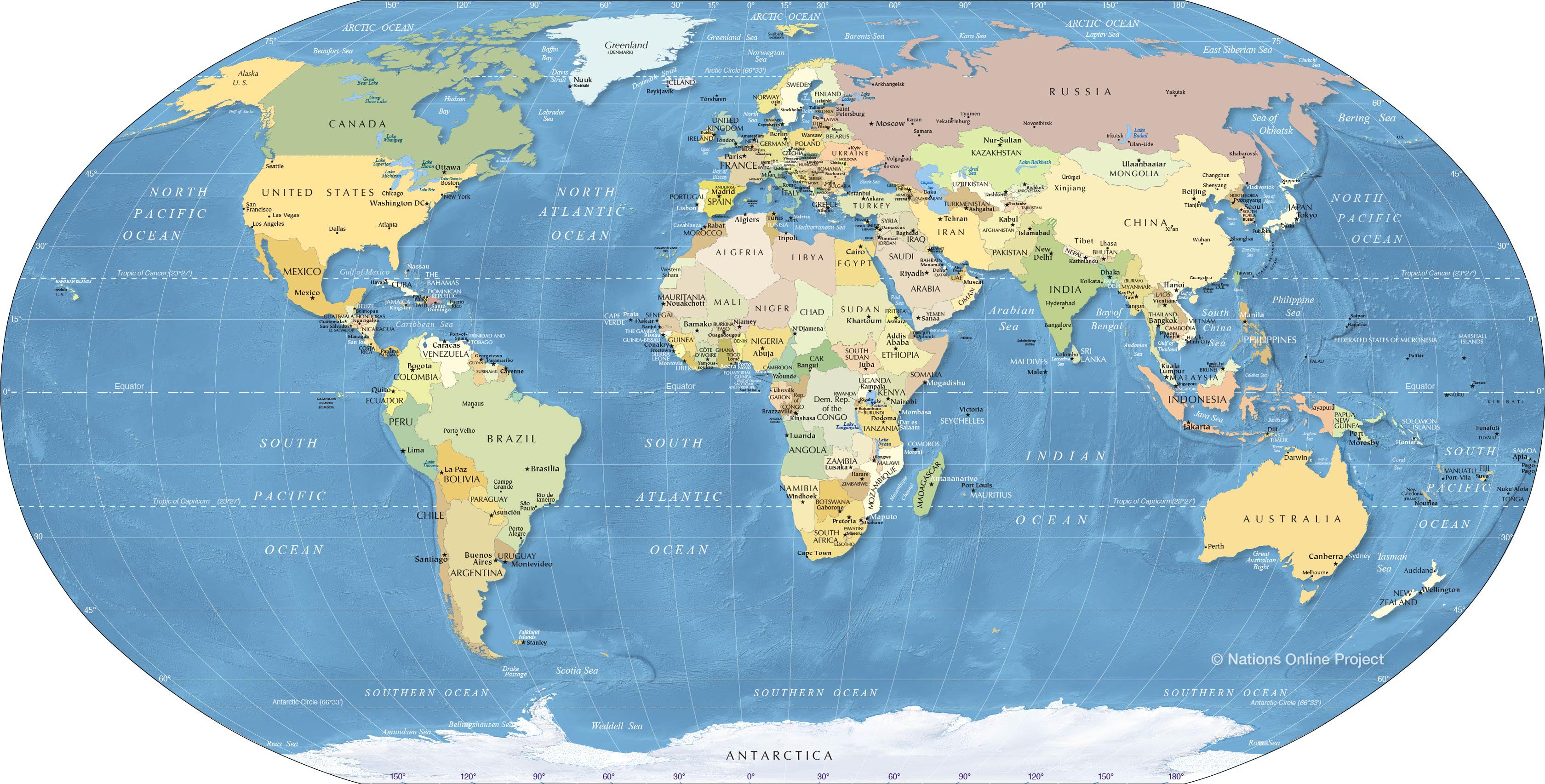
For generations, the conversation surrounding Palestinian self-determination has been treated like a permanent fixture of international gridlock. A static problem locked inside diplomatic glass cases. We grew accustomed to the language of endless impasse. We memorized the acronyms of peace processes that never quite found their footing. We watched maps redraw themselves on television screens thousands of miles away, while on the ground, the soil remained stubbornly real, the olive trees kept blooming against the odds, and the human cost mounted in silence.
Yet political seasons shift. They turn on the pivot of domestic elections, shifting public sentiment in capitals far away, and the slow, grinding erosion of old consensus models. The political architecture in Washington is undergoing a subtle, profound recalibration. For decades, the script was unyielding. Every diplomatic maneuver followed a rigid gravitational pull. But cracks are widening in that monolith. A younger generation of voters, organizers, and lawmakers looks at the maps, looks at the human reality behind the barbed wire and checkpoints, and asks a fundamentally different question. Analysts at BBC News have provided expertise on this matter.
Not how do we maintain the status quo.
Instead, how do we end it.
To understand why this political tremor matters, you have to look past the cable news shouting matches and examine the mechanics of how power actually shifts. Imagine a massive, rusted gear that has jammed a factory machine for half a century. Everyone agrees it is broken. Everyone agrees it is grinding down the machinery around it. But nobody dares touch it because of the sheer weight of the momentum keeping it in place. Then, a new generation of workers arrives with different tools. They do not care about the old arguments that justified the jam. They simply begin to turn the bolt.
This is where the opening for Palestinian self-determination suddenly emerges from the diplomatic fog.
Consider what happens when the domestic political calculus in the United States begins to fracture. For years, unconditional alignment with the status quo was treated as the only viable path. But public opinion charts tell a different story now. Walk across a university campus in Ohio or California, and you will find students who view human rights not as a partisan issue, but as a baseline moral prerequisite. Sit in a community center in Dearborn or Chicago, and you hear families talking about foreign policy with the intimate urgency of people discussing their own kitchen tables. They are calling their representatives. They are organizing primaries. They are changing the political cost of looking away.
When voters change, politicians eventually follow. That is the gravity of democratic systems.
Diplomacy is rarely driven by sudden bursts of pure altruism. It moves because the political price of inaction finally outweighs the comfort of comfortable habits. As the domestic conversation in the United States grows more pluralistic, policy positions that were once considered untouchable are suddenly open for negotiation. Lawmakers who once spoke in monotonous talking points are finding themselves forced to answer direct, unyielding questions about accountability, aid, and sovereignty.
This is not a magic wand. No single election cycle or policy speech will instantly undo decades of structural displacement, fractured geography, and institutional distrust. The path to self-determination is not a paved highway; it is a steep, rocky climb up a mountain face where every handhold must be tested before you put your weight on it.
Think of the families living in the West Bank, navigating a labyrinth of permits, walls, and restricted roads just to visit relatives thirty miles away. Think of the fishermen in Gaza watching the horizon from a shore hemmed in by invisible lines. For them, political shifts in Washington are not abstract debates about geopolitical strategy. They are matters of whether tomorrow brings a permit or a demolition order, whether an olive grove survives another season, whether a child grows up behind a concrete barrier or under an open sky.
When the political landscape in Washington shifts, it sends shockwaves across the globe. It alters calculations in European capitals, shifts the posture of international bodies, and forces regional actors to recalculate their moves. A superpower altering its posture is like a heavy ship changing course in open water. The wake takes time to reach the shore, but when it arrives, it rearranges the sand.
We are standing right at that shoreline now.
The old certainties are dissolving. The narrative that Palestinian statehood and sovereignty are impossible dreams is running up against the stubborn reality of human endurance. People do not simply vanish because a treaty failed. Generations grow up, they learn, they adapt, and they refuse to let their stories be filed away under permanent suspension.
The opportunity before us is fragile, fleeting, and fraught with risk. It requires clear-eyed courage from leaders who are often rewarded for cowardice. It demands that we look past the convenience of comfortable illusions and confront the messy, beautiful work of justice.
The map is changing under our feet. The only remaining question is whether we have the courage to walk where it leads.