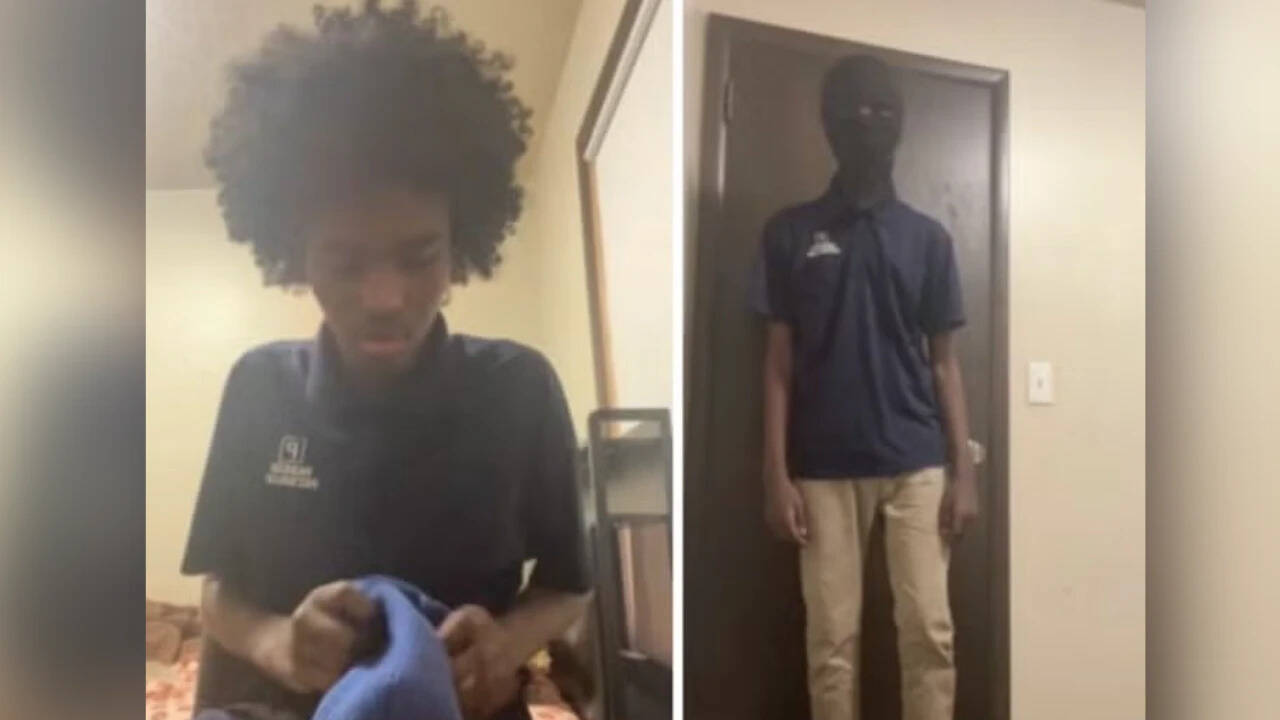
The arrest of an 18-year-old Minnesota resident targeting the Mall of America wasn't just another routine counterterrorism headline. It exposed a stark, uncomfortable reality about how homegrown extremist plots actually incubate in the digital age. Sheikhdoon Abdullahi Mohamud was charged with receiving a firearm and ammunition to commit a federal crime of terrorism, capping off an online descent that federal officials tracked closely.
When you look past the initial press releases, the case reveals systemic vulnerabilities in how teenagers consume propaganda, how international terrorist networks project influence locally, and why law enforcement agencies are constantly playing high-stakes catch-up behind computer screens.
The Shift from Overseas Travel to Domestic Strike Plots
For years, federal counterterrorism task forces focused heavily on a specific pipeline. Young men and women would attempt to board flights out of Minneapolis-St. Paul—long recognized as a primary hub for Somali-American diaspora communities—with the explicit goal of joining foreign militant groups like Al-Shabab or ISIS overseas.
Mohamud’s case flipped that traditional script completely. Court documents show that while he initially harbored desires to travel to foreign conflict zones, financial constraints and logistical walls kept him pinned in Minnesota.
Instead of abandoning his violent ambitions, he pivoted inward. He decided to bring the terror home.
This local pivot represents a dangerous evolution. Modern extremist entities don't necessarily need operatives to catch international flights anymore. They rely on decentralized digital inspiration, grooming isolated teenagers to execute low-tech, high-casualty mass shootings right in their own backyards.
Digital Radicalization and the Online Echo Chamber
Court filings indicate that the FBI's interaction with Mohamud stretched back over a significant period, with digital communications dating to December 2024. Investigators noted that online radicalization channels had sunk their hooks into him early, shaping his worldview long before he acquired physical capability.
The mechanics of this process are straightforward and brutal:
- Isolated youth spend excessive hours inside unmoderated digital echo chambers.
- Foreign propaganda networks feed them a constant stream of ideological grievances and glorification of violence.
- Online handlers encourage self-radicalization, framing local acts of violence as a viable substitute for joining a caliphate.
When Mohamud messaged a confidential source stating he wanted to "get martyred" and target crowds at the massive Bloomington retail complex, he was echoing a script written thousands of miles away but consumed on a smartphone screen in a quiet bedroom.
The Reality of FBI Undercover Operations
The climax of the investigation involved a controlled sting where undercover operatives sold Mohamud an inert AK-47 assault rifle along with magazines and ammunition. Critics often question these sting operations, asking whether law enforcement manufactures threats that wouldn't otherwise materialize.
Federal prosecutors presented a different picture. They argued that Mohamud actively sought out the means to carry out a massacre. He had already zeroed in on specific calendar dates, pointing out events like a local cultural gathering at the mall to maximize civilian casualties.
When someone actively pursues weapons to enact a mass casualty event, federal agencies face a binary choice: step in or let a tragedy unfold. The intervention at the point of weapon acquisition neutralized the immediate physical threat before any blood could be spilled.
What This Means for Community Safety Moving Forward
We can't rely solely on federal stings to catch every radicalized teenager before they strike. Communities, families, and local institutions need to spot behavioral shifts early. Radicalization leaves footprints—sudden social withdrawal, intense consumption of extremist media, and escalating violent rhetoric online.
Ignoring these warning signs or hoping they are just teenage phases is a gamble no one should be willing to take. Keeping public spaces secure requires a collective vigilance that bridges local families, community leaders, and law enforcement agencies.
Stay alert, pay attention to what younger generations are absorbing online, and never dismiss digital threats as empty talk.



