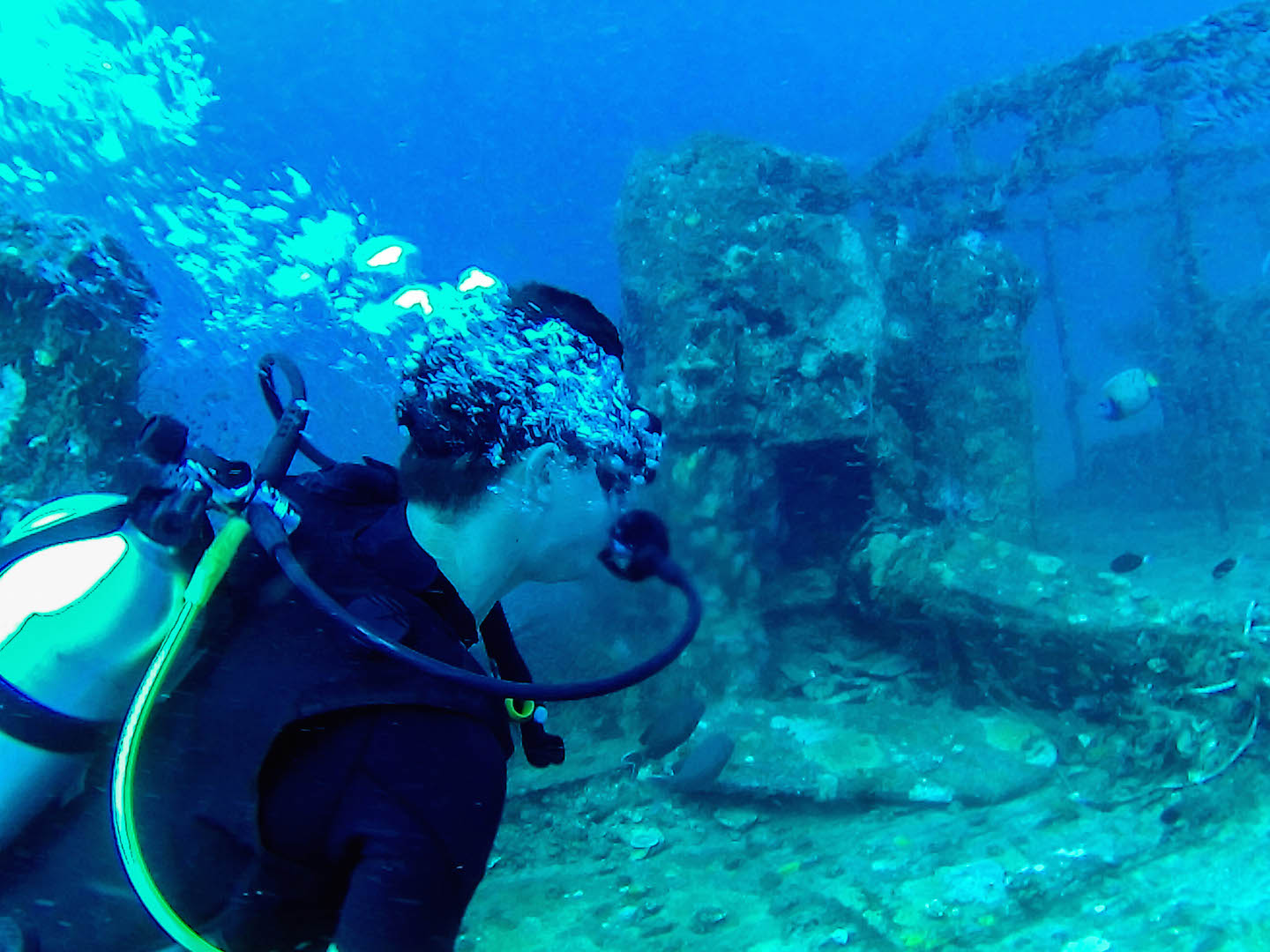
Five Italian divers are dead after a cave dive in the Maldives went horribly wrong. It’s the kind of news that sends a chill through the international diving community because these weren't beginners splashing in a resort pool. They were experienced. They had the gear. Yet, the Indian Ocean claimed them anyway. Local authorities are currently scouring the waters near the site, trying to piece together how a routine excursion turned into a multi-fatality disaster.
Cave diving is often called the most dangerous sport on earth. This isn't hyperbole. When you're under a ceiling of solid rock, there is no "bolting to the surface" if you panic. You have to go back the way you came. If the visibility drops to zero because someone kicked up silt, or if you lose the guide line, you're essentially trapped in a tomb. The search operations in the Maldives are now focused on recovery and finding the technical breakdown that led to five people losing their lives simultaneously. Read more on a related issue: this related article.
What Happened in the Maldives Caves
The incident took place during what was supposed to be a standard exploration of the underwater limestone structures the Maldives is famous for. Initial reports from the Maldivian National Defence Force (MNDF) indicate the group entered a known cave system, but failed to resurface at the scheduled time. While the Maldives is usually associated with vibrant coral reefs and manta rays, its deeper "blue holes" and karst formations attract a specific breed of technical diver.
Search teams have been utilizing divers and surface vessels to monitor the currents around the area. The logistics are a nightmare. The tides in the Maldives are notoriously strong, moving massive volumes of water between the atolls. If a diver is swept out of a cave mouth while unconscious or low on air, the search radius expands by miles within hours. Further analysis by NBC News delves into related perspectives on this issue.
We often think of the Maldives as a paradise. It is. But for divers, it’s a high-energy environment. The same currents that bring the big pelagic fish also create unpredictable conditions inside submerged caverns. Authorities are looking into whether a sudden change in current trapped the group or if a "silt-out" occurred, where fine sediment coats the water until you can’t see your own hand in front of your face.
The Brutal Reality of Technical Diving Failures
When five people die together, it’s rarely just one mistake. It’s usually a "cascading failure." In diving circles, we talk about the accident chain. Maybe one diver had a regulator issue. Another tried to help. In the process, they lost the line. Panic set in. Breathing rates skyrocketed. In a cave, oxygen is your ticking clock. Once that clock hits zero, there's no backup plan.
The Italian Ministry of Foreign Affairs is reportedly in contact with Maldivian officials to coordinate the repatriation of the bodies once the search is finalized. For the families, the wait is agonizing. For the diving world, it’s a wake-up call. We’ve seen this before in places like Florida’s Ginnie Springs or the Yucatan Peninsula. Experience can sometimes breed a dangerous level of comfort. You stop fearing the overhead environment. That’s usually when it hits you.
Why Cave Diving is Different
- No Direct Ascent: This is the big one. In open water, if your gear fails, you can perform an emergency swimming ascent. In a cave, you're minutes away from the exit.
- Silt Hazards: One wrong fin kick can turn crystal clear water into chocolate milk. If you aren't holding the line, you're lost.
- Gas Management: The rule of thirds is law. One-third of your air to go in, one-third to get out, and one-third for emergencies. If you break this rule, you're flirting with death.
- Equipment Redundancy: Tech divers carry doubles—two tanks, two regulators, three lights. But even the best gear won't save you from a psychological break or a navigational error.
Authorities Focus on Local Safety Standards
Maldivian tourism depends on safety. If the islands get a reputation for being a graveyard for divers, the economy feels it. Because of this, the local government is under immense pressure to provide answers. Was there a certified cave guide with the group? Did the dive boat have the proper emergency oxygen and communication gear?
Investigation teams are currently inspecting the equipment recovered from the scene. They’ll look at dive computers to see the depth profiles and the exact minute things went south. These "black boxes" of the diving world tell a story that survivors—if there were any—sometimes can't remember due to the trauma or nitrogen narcosis. Narcosis, often called "rapture of the deep," acts like a few stiff drinks. At depth, your judgment gets fuzzy. You might feel invincible right when you're most at risk.
The Role of Italian Dive Clubs
Italy has a deep-rooted culture of technical diving. Their clubs are some of the most rigorous in the world. The fact that this group came from such a background makes the accident even more baffling. It suggests that whatever happened was either a freak natural event—like a cave collapse or a massive surge—or a collective error in judgment that bypassed multiple layers of safety protocols.
Search and rescue operations in these cases aren't just about finding people. They're about forensic recovery. Every bit of gear must be documented. Was a valve closed? Was a tank empty? These details matter for insurance, for the families, and for future safety regulations.
How to Manage Risk in Overhead Environments
If you're a diver, or someone planning a trip to a destination like the Maldives, you don't need to cancel your trip. You do need to be honest about your limits. Most recreational divers have no business entering a cave. A cavern—where you can still see the light from the entrance—is one thing. A cave is a different beast entirely.
Know Your Limits
Don't let a "bucket list" mentality push you into a hole in the ground you aren't trained for. If a guide offers to take you somewhere that requires a ceiling overhead and you don't have a "C-card" for cave diving, say no. It’s not worth it. The ocean doesn't care about your Instagram photos. It’s a physical environment with physical laws that don't bend for anyone.
Check the Credentials
Always ask for the dive center's safety record. Ask about their emergency evacuation plan. In the Maldives, you might be hours away from the nearest decompression chamber. If things go wrong, the boat's radio and the captain's expertise are your only lifelines.
Moving Forward After the Tragedy
The search in the Maldives will eventually wind down. The headlines will fade. But the lesson remains. Five families in Italy are now dealing with a void that can't be filled. The authorities will likely issue new memos or tighten restrictions on certain dive sites near the accident zone.
Respect the water. If you're heading out on a boat this week, check your gear twice. Listen to the briefing. If the current looks too strong, stay on the boat. There's no shame in skipping a dive, but there's a hell of a lot of tragedy in being the reason a search party is launched.
Stay within your training. Double-check your gas. Never dive alone in an overhead environment. If the conditions don't feel right, they probably aren't. Trust your gut over your ego every single time.