The Glow of the Screen in the Dark
A small room, lit only by the cold blue wash of a computer monitor. Millions of people sitting inches from a high-definition stream, their faces illuminated by the anticipation of a human life ending in real time.
It sounds like a dark, dystopian premise pulled straight from science fiction. But for several intense, whiplash-inducing days, it was a concrete policy proposal floating out of the highest political office in the United States.
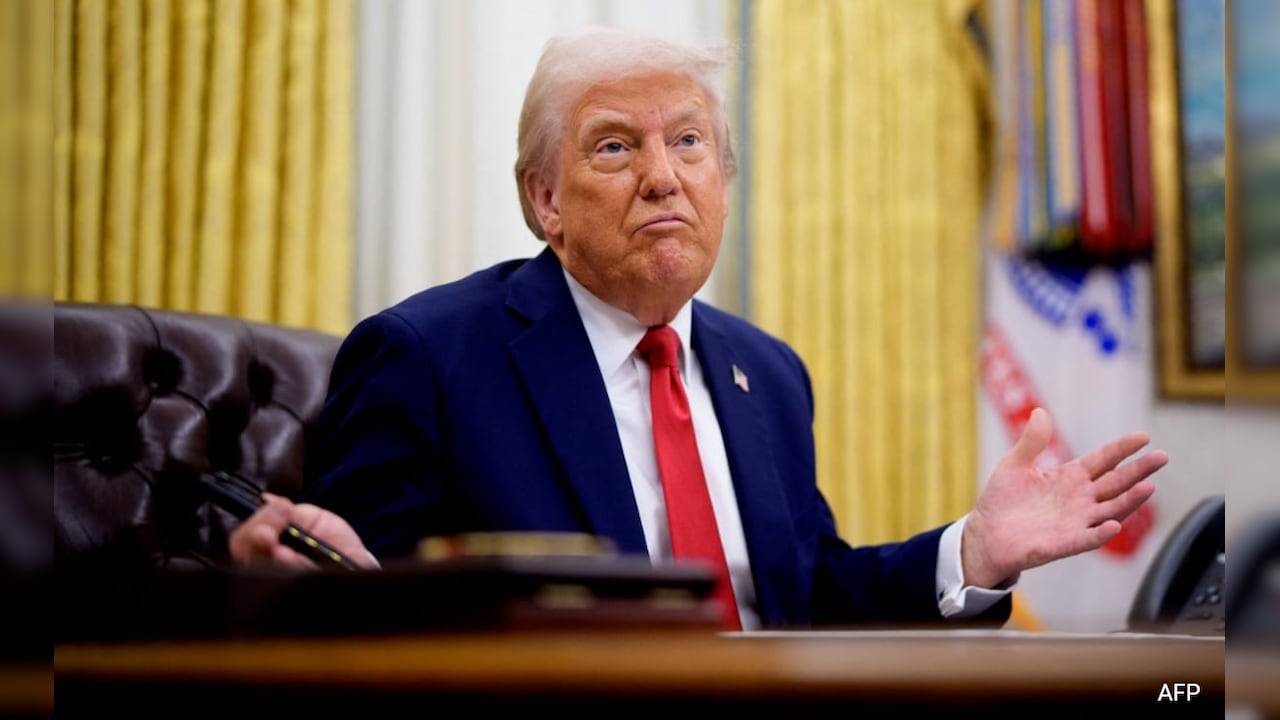
Donald Trump had proposed something unprecedented: streaming the execution of a high-profile mass shooter live to the public.
Then, just as quickly as the idea ignited a national firestorm, the brakes were slammed. Backlash arrived not merely in polite disagreement, but in an overwhelming wave of condemnation that cut across political aisles, legal circles, and ethics boards. The plan was scrapped.
To understand why this idea was floated—and why its sudden death matters so deeply—we have to look beyond the immediate political talking points. We have to look at what happens to a society when the absolute finality of justice is converted into public entertainment.
The Proposal That Shook the System
Justice has always demanded witnesses. For centuries, executions took place in public squares, surrounded by crowds. Over time, modern legal systems pulled those proceedings behind thick brick walls, limiting the room to victims' families, legal representatives, and sworn journalists. The goal was simple: maintain the solemnity of the law while preventing the circus of mob retribution.
The proposal to broadcast an execution directly to personal screens shattered that boundary.
Supporters of the initial idea argued it was about ultimate transparency and deterrence. The logic seemed straight forward to its advocates: if someone commits an atrocity, let the world watch the ultimate consequence unfold. Show potential criminals the exact cost of their violence.
That rationale collapsed under the weight of human psychology.
Consider what actually happens when violence enters a digital stream. A screen changes how we process reality. What is intended as a sobering lesson in justice almost instantly turns into a spectacle.
The Psychology of the Spectacle
When a tragic event or a legal proceeding is live-streamed, it stops being purely about accountability. It enters the attention economy.
Psychologists and legal experts raised an immediate, glaring alarm: broadcasting the execution of a mass shooter does not deter future violent offenders. For a specific class of deeply disturbed individuals, it offers the ultimate prize.
Notoriety.
Mass shooters often operate out of a desperate, toxic craving for fame. They study past perpetrators. They leave manifestos. They measure their legacy in body counts and news cycles. By giving a shooter the largest possible audience in their final moments, the state risks turning the execution into a dark grand finale.
Instead of showing the cold, clinical end of a criminal, a broadcast threatens to turn the perpetrator into a martyr for fringe networks online. The screen strips away the solemn gravity of the courtroom and replaces it with the dynamics of a viral video.
Comment sections would fill up. Clips would be cut, edited, and shared across dark corners of the web. Memes would spawn. The profound pain of the victims' families would be drowned out by the chatter of millions of digital spectators.
Why the Pushback Was Immediate and Fierce
The backlash was not isolated to one political ideology. It was immediate, widespread, and deeply visceral.
Legal scholars pointed to the fundamental ethics of the judicial system. The state's power to take a life—where legal—is the most extreme measure of authority a government possesses. Carrying out that act under the blinding light of a public broadcast threatens to strip the process of its constitutional dignity.
Victims' rights advocates voiced another vital concern. True justice focuses on healing, truth, and honoring those whose lives were taken or ruined. A media circus centered on the perpetrator's final moments wrenches the focus entirely back onto the killer. It forces grieving families to share their private pain with a global audience of curious onlookers.
There is also the profound impact on the public consciousness. What does it do to a culture when execution becomes something clicked on between social media posts?
Desensitization happens slowly, then all at once. Constant exposure to graphic reality degrades our collective capacity for empathy. Watching an execution on a smartphone screen, sandwiched between advertisements and short-form comedy videos, flattens human tragedy into mere content.
The Reversal and the Line We Didn't Cross
Facing an intense chorus of legal warnings, moral outrage, and strategic pushback, the decision was made to ditch the plan. The execution will not be streamed.
The swift abandonment of the proposal proves that some boundaries, once recognized, still hold. It showed a collective understanding that justice cannot lose its soul to the appetite for broadcast spectacle.
When the state carries out its ultimate penalty, it must be done with quiet, sober gravity. It requires strict adherence to legal protocol, observed by accountable witnesses, far away from the noise of likes, shares, and real-time commentary.
The idea was tested, the public recoiled, and the line remained unbroken.
In the end, scrapping the broadcast was not just a political pivot. It was a reminder of who we choose to be when the dark allure of the spectacle threatens to pull us under. Justice must remain a cold, solemn reckoning—never a show.