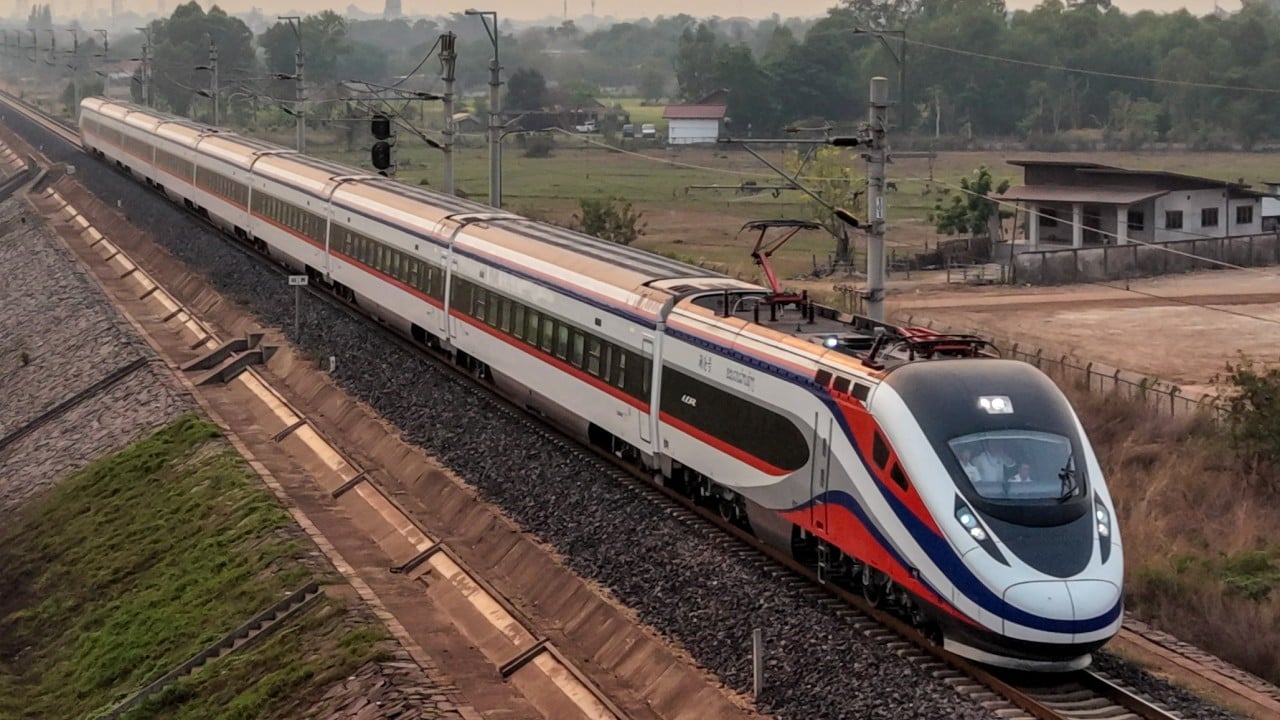
Geopolitics is a sucker’s game for those who read press releases. The narrative being shoved down your throat right now is that the Vientiane-Boten Expressway—and the broader China-Laos Railway—is transforming Laos from a "landlocked" victim into a "land-linked" powerhouse. It’s a beautiful story. It’s also a mathematical hallucination.
If you believe the upbeat reports coming out of regional development summits, you’re missing the actual mechanics of how infrastructure-led debt works. Laos isn't becoming a "gateway." It’s becoming a toll booth where it doesn't even own the cash register. For an alternative look, read: this related article.
The Myth of the Land Link
The fundamental error in the "land-linked" thesis is the assumption that connectivity equals prosperity. It doesn't. Connectivity equals transit.
In the logistics world, transit is a low-margin commodity. When cargo moves from Kunming to the Port of Bangkok via the new Laotian corridors, the value-add happens at the origin and the destination. Laos is simply the asphalt in between. To believe that a highway suddenly creates a middle class is to misunderstand the difference between a corridor and an economy. Similar coverage on this trend has been published by MarketWatch.
A corridor moves goods through a space. An economy captures value within it.
I’ve watched emerging markets fall for this trap for decades. They borrow billions to build infrastructure designed to facilitate other countries' exports, then wonder why their local SMEs are still selling fruit by the side of the road while 40-ton trucks roar past them at 100 km/h.
The Debt-to-GDP Death Spiral
Let’s talk numbers, not aspirations.
Laos’s public debt has ballooned to over 120% of its GDP. A massive chunk of that is owed to China. When the World Bank or the IMF look at these figures, they see a "high risk of debt distress." I see a sovereign entity that has effectively traded its fiscal independence for a strip of concrete.
The Vientiane-Vang Vieng section of the highway alone cost roughly $1.2 billion. For a country with a GDP around $15 billion, that is a staggering bet. The "lazy consensus" says this is an investment that will pay for itself through tolls and trade.
It won't.
Toll revenue in a country with low vehicle ownership and a struggling currency is a rounding error compared to the interest payments on the loans. To service this debt, Laos has to hope for a miraculous explosion in domestic production that the highway itself doesn't actually provide.
The "Gateway" is a One-Way Street
The term "trade gateway" implies a two-way flow. But look at the trade balance.
China isn’t building these roads so it can buy more Laotian rubber and minerals. It’s building them to flood Southeast Asian markets with Chinese manufactured goods faster and cheaper than ever before.
By reducing transport times, Laos is actually making it harder for its own nascent industries to compete. When you lower the cost of entry for the world’s most efficient manufacturing superpower, you aren't helping your local artisans; you’re eviscerating them.
The "shortcut" through Laos is a logistical masterpiece for Kunming-based exporters. For a Vientiane-based entrepreneur, it’s a high-speed lane for their competition.
Sovereignty for Sale: The Asset Swap
Here is the part the glossy brochures leave out: what happens when you can't pay?
We have already seen the blueprint in Sri Lanka with the Hambantota Port. In Laos, we are seeing the "securitization" of the national power grid. Electricite du Laos (EdL) already entered a deal giving a Chinese state-owned firm a majority stake in a new company that controls the country's power transmission.
This isn't a conspiracy theory; it’s a standard debt-for-equity swap. When the highway fails to generate the projected ROI—which it will—the next "concession" won't be a road. It will be land, mineral rights, or more critical infrastructure.
Laos isn't being "linked." It’s being integrated. There is a massive difference.
The False Promise of Tourism
The secondary argument for the highway is a tourism boom. "Now you can get from Vientiane to Vang Vieng in 90 minutes instead of four hours!"
True. But who benefits?
The trend in "Belt and Road" tourism is the "closed-loop" model. Chinese tourists arrive on Chinese-built trains or buses, stay in Chinese-owned hotels, eat at Chinese-run restaurants, and pay via digital platforms that settle back in mainland China.
The "leakage" of tourism dollars in this model is nearly 100%. The local economy gets the trash and the traffic; the offshore investors get the profit.
The Geographic Reality Check
Laos is a mountainous, sparsely populated nation. High-speed highways require massive maintenance budgets. In tropical climates, road degradation is aggressive.
Who pays for the upkeep in ten years? If the toll revenue isn't there, the road becomes a liability. A decaying "superhighway" is a monument to poor planning, not a pillar of a modern economy.
The IMF has repeatedly warned that Laos needs "deep debt restructuring." But you can't restructure a highway once it’s poured. You are locked into the geography of your debt.
Stop Asking if it’s "Built," Start Asking who it’s "For"
The question isn't whether the highway is a feat of engineering. It is. The question is whether it serves the 7.5 million people of Laos or the industrial requirements of the Yunnan province.
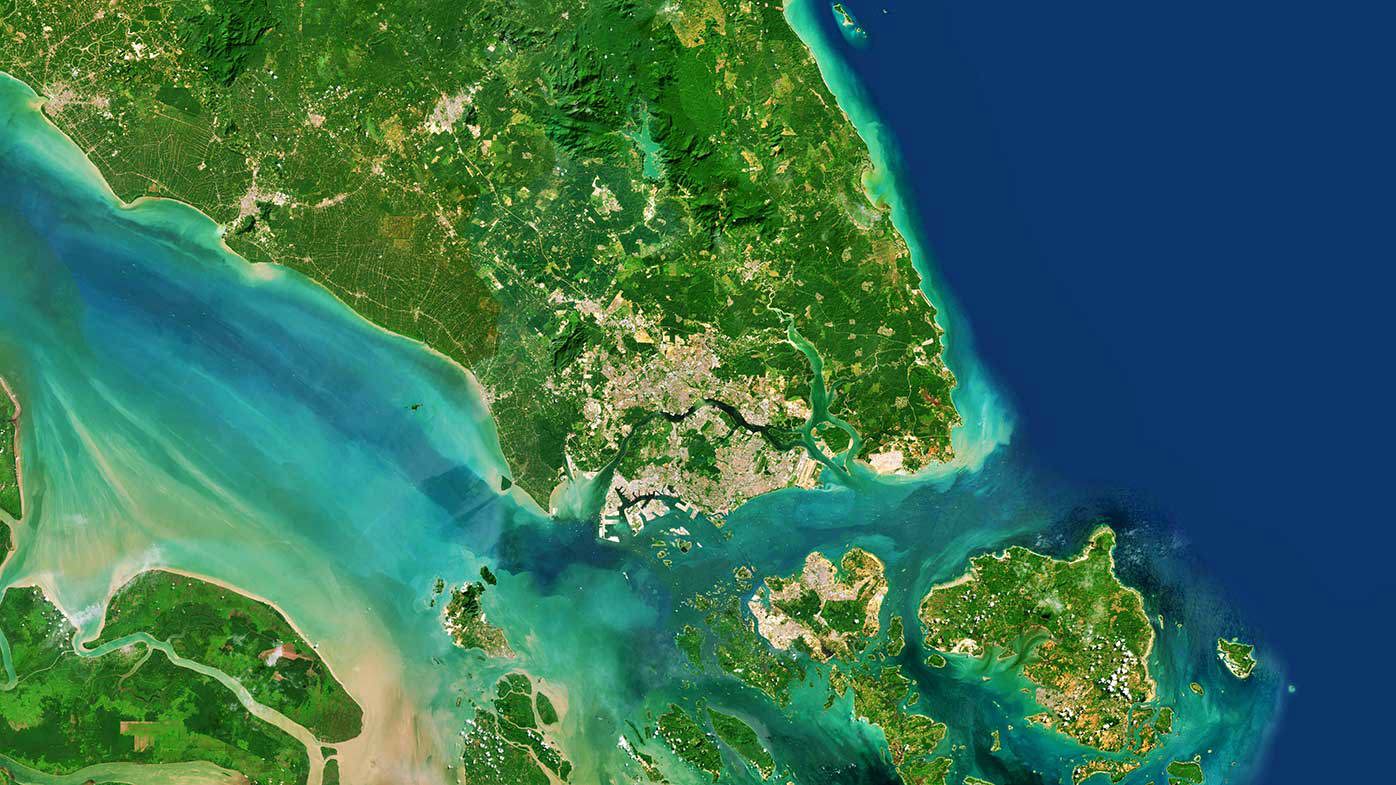
If you want to see a real trade gateway, look at Singapore. They didn't build a road for others to drive on; they built a hub where they could tax the value, provide the financing, and control the legal framework of the trade. Laos has none of that. It has a lease it can't afford on a road it doesn't need for its own internal trade.
The Actionable Truth for Investors
If you are looking at Laos as an "emerging hub," stop looking at the asphalt. Look at the currency. The Kip has been in a freefall because the country lacks the foreign reserves to back its ambitious projects.
- Avoid Infrastructure Plays: The margins are being eaten by debt service.
- Look for Asset Seizures: The real "business" in Laos over the next decade will be the transfer of state assets to foreign creditors.
- Short the "Gateway" Narrative: Physical connectivity is a 20th-century metric. Digital and financial sovereignty is the 21st-century metric, and Laos is selling both to pay for the concrete.
The Vientiane-Boten Expressway isn't the beginning of a Laotian golden age. It’s the longest, most expensive debt-collection lane in history.
The road is open. Just make sure you know who is driving and who is being driven over.