A direct hit on an 11th-century holy site changes a war from a geopolitical dispute to something much darker.
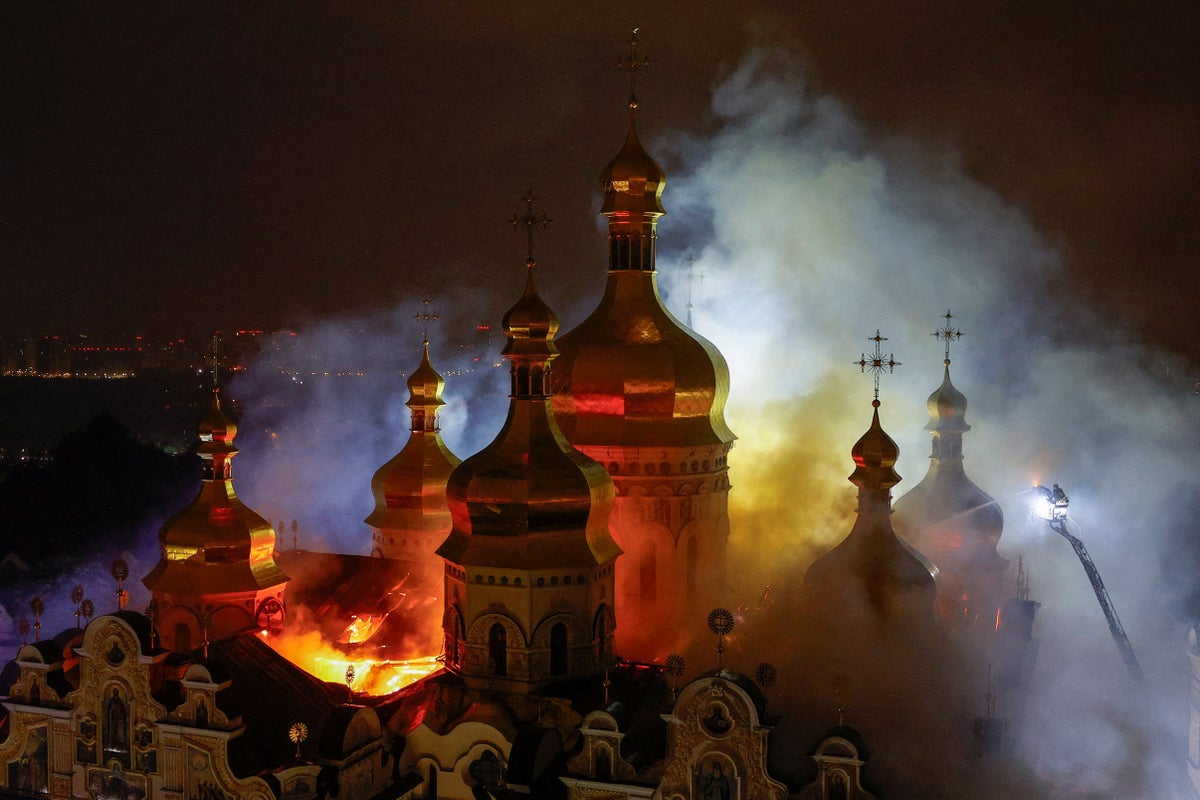
When a Russian missile barrage tore through the roof of the historic Assumption Cathedral within the Kyiv Pechersk Lavra monastic complex early Monday morning, June 15, 2026, it didn't just knock out power lines or shatter residential windows. It shattered a deeply held, centuries-old religious connection.
The response was immediate and furious. Metropolitan Epiphanius I, the head of the Orthodox Church of Ukraine, didn't mince words. He openly labeled Vladimir Putin the "Kremlin antichrist."
That is not just standard wartime rhetoric. For anyone who understands Eastern European history, that specific phrase represents a point of no return.
Moscow has spent years trying to justify its invasion of Ukraine as a holy crusade to protect "traditional Christian values" and unity. Striking the very cradle of Slavic Orthodoxy completely exposes that narrative as a lie. You cannot claim to protect a faith while burning its holiest shrines.
The Midnight Strike on the Soul of Kyiv
The attack happened in the dead of night, around 1:48 AM local time. Russia launched a coordinated assault using dozens of strike drones and at least 15 ballistic missiles targeting the capital.
The physical toll across Kyiv was immediate and severe.
- At least 20 civilians were injured, including a child and a pregnant woman.
- Direct missile hits ripped into apartment buildings in the Pecherskyi, Obolonskyi, and Solomianskyi districts.
- Damaged power infrastructure plunged roughly 140,000 households in northern Kyiv into sudden darkness.
But the spiritual shockwave centered on the burning roof of the Assumption Cathedral. The Kyiv Pechersk Lavra, famous for its ancient cave systems and golden domes, is one of the most sacred places in the Eastern Christian world. This is only the third time since World War II that this specific monastery has faced an attack.
Imagine the historical weight here. This monastery was founded in 1051. It survived Mongol invasions, Bolshevik persecution, and Nazi occupation. Seeing it ablaze from modern Russian missiles feels like an intentional erasure of identity.
Behind the Antichrist Label
When Epiphanius I asked the world what else the "Kremlin antichrist" must do before the international community takes decisive action, he knew exactly what theological chords he was striking.
In Orthodox theology, the term isn't used lightly. It implies a deceptive force that mimics holiness while working absolute destruction. For years, the Russian Orthodox Church under Patriarch Kirill in Moscow has blessed Russian troops, promised automatic absolution of sins for soldiers killed in battle, and framed the war as a metaphysical battle against Western decadence.
This strike strips away that religious cover.
I have watched how religious diplomacy operates in this region for years, and the fracture is now permanent. The split between the Orthodox Church of Ukraine and the Russian Orthodox Church became official back in 2019, but millions of ordinary believers in Ukraine still held onto ties with the Moscow-linked branch out of tradition. Burning down their shared history forces everyone to pick a side.
You can't claim a spiritual monopoly over Kyiv while sending Iskander and Kinzhal missiles through cathedral roofs.
The Geopolitical Fallout
This escalation didn't happen in a vacuum. The attack occurred just hours after a crucial phone call between Ukrainian President Volodymyr Zelenskyy and US President Donald Trump, where they discussed the battlefield situation ahead of the upcoming G7 Summit in France.
Moscow often uses heavy missile terror as a brutal form of diplomatic leverage before major international summits. It is a show of force meant to intimidate Ukraine's allies.
This time, the strategy could backfire spectacularly. By hitting a global cultural heritage site and provoking a direct "antichrist" condemnation from top clergy, the Kremlin has given Ukraine a powerful moral argument just as international leaders gather to discuss military aid and peace negotiations.
Real Steps for Following This Escalation
Religious infrastructure damage isn't just about broken bricks. It changes the domestic political landscape inside Ukraine. Here is what you need to watch next to understand how this plays out.
First, keep a close eye on the Ukrainian parliament. This attack will likely accelerate legislation aimed at completely banning religious organizations with ties to the Russian Federation. Security sweeps of remaining Moscow-aligned parishes will intensify.
Second, watch the global Orthodox reaction. Leaders like Ecumenical Patriarch Bartholomew of Constantinople, who granted independence to the Ukrainian church, will likely issue severe statements. See if previously neutral Orthodox leadership in countries like Greece, Romania, or Georgia publicly distance themselves even further from Moscow.
Third, look at UNESCO. The Lavra is a World Heritage site. Watch for formal international legal filings regarding cultural war crimes, which add weight to future accountability efforts against the Russian leadership.
The fire on the roof of the Assumption Cathedral was put out by emergency workers, but the political and spiritual fallout is just starting to burn.