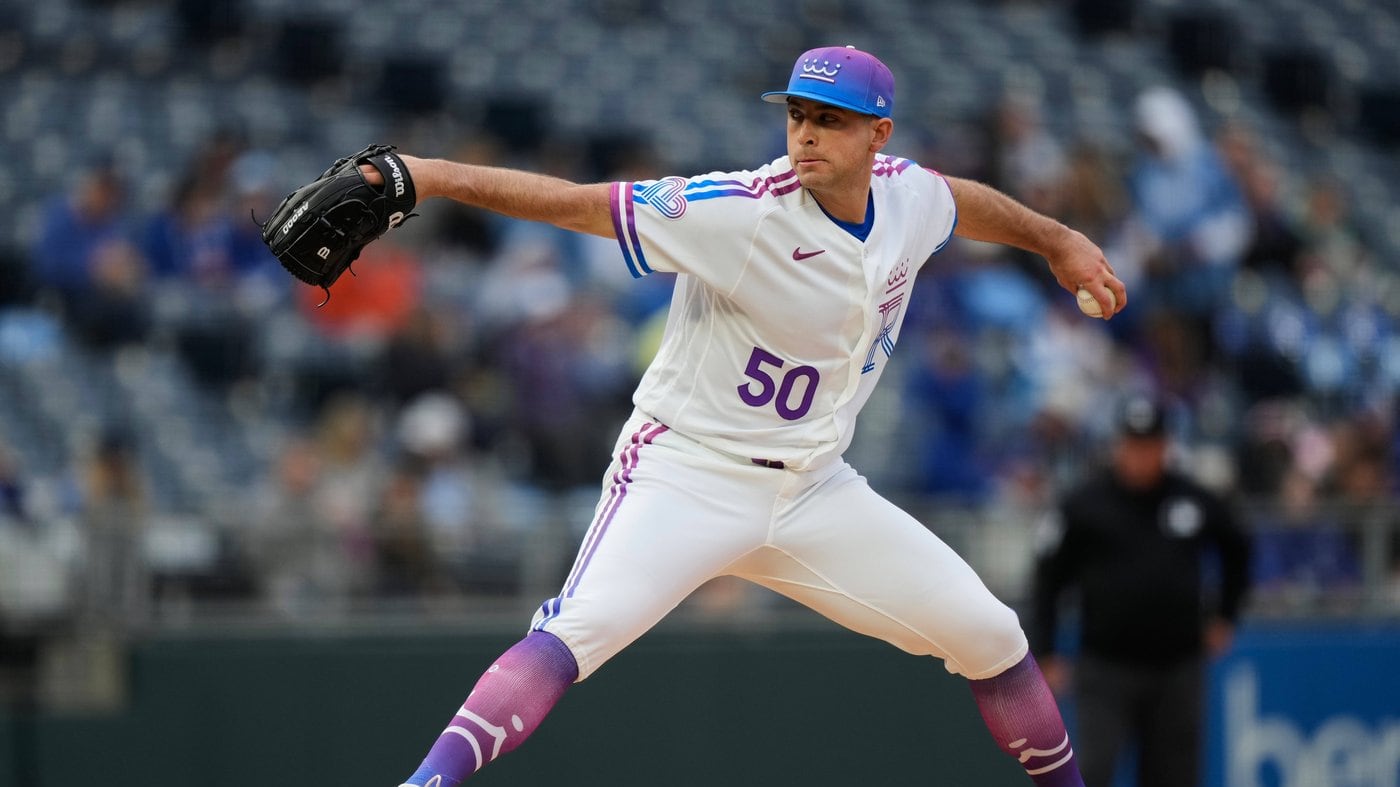
When the Los Angeles Dodgers traded for Kris Bubic from the Kansas City Royals at the August deadline, nobody expected an immediate impact. After all, the left-hander hadn't pitched in the major leagues since mid-May due to a lingering elbow issue that later compounded with shoulder fatigue. But baseball moves fast, and by mid-September, the storyline shifted dramatically. Bubic packed his bags to join the club in Cincinnati, finally stepping toward his long-awaited debut in Dodger blue.
The Long Road Back From the Injured List
Getting to Cincinnati wasn't a simple cross-country flight for a routine start. Bubic spent months grinding through a brutal rehabilitation program. After initial elbow soreness sidelined him in May, a subsequent shoulder hiccup during his first rehab attempt pushed his timeline back significantly.
The Dodgers knew the risks when they sent right-hander Carlos Durán to Kansas City in exchange. They weren't acquiring a quick fix for the summer dog days. They were buying a high-upside arm for the stretch run and October.
Before hitting the 60-day injured list, Bubic had shown flashes of the brilliance that made him an All-Star. Yet, injuries are unpredictable beasts. When he finally wrapped up his minor league assignment with Triple-A Oklahoma City—tossing 5.2 shutout frames with nine strikeouts across six rehab outings—the front office saw enough green light to activate him.
Shifting Roles From Rotation to Bullpen
Arriving in Cincinnati meant a complete identity shift for the former starter. Los Angeles didn't have the luxury of stretching him back out into a traditional starter's workload with only weeks remaining in the regular season. Instead, management mapped out a relief role.
Transitioning from a frontline starter to a bullpen weapon isn't easy for most pitchers. Pitching routines change, warmup timers shrink, and the margin for error evaporates. But for Bubic, the bullpen offered a clear path to contribute immediately.
In his debut appearance against the Reds in Cincinnati, he proved the experiment could work. He entered the game and fired a scoreless frame, flashing a fastball touching nearly 96 mph—ticking up noticeably from his typical starter velocity. That extra velocity played up in a short burst, giving hitters a completely different look than what they scouted earlier in the year.
October Implications and the Big Picture
Every late-season roster addition comes with an underlying postseason calculation. The Dodgers built a juggernaut, but pitching depth always dictates October survival. By integrating Bubic into high-leverage relief spots, manager Dave Roberts gained a versatile southpaw weapon.
Evaluating mid-season trades requires looking past the immediate box scores. While Bubic's regular-season sample size in Los Angeles was brief, the physical checks passed. He proved his shoulder could handle high-intensity major league innings after months of uncertainty.
Injuries alter trajectories in professional sports overnight. Players either fade into the training room or adapt and find a new gear. Kris Bubic chose the latter, turning a quiet trade-deadline gamble into a tangible October asset.