You can't force an artist to perform for a political brand they despise, especially when you forgot to get their signature on the contract.
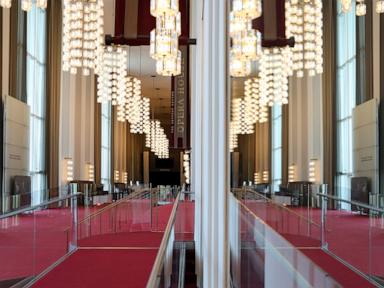
The John F. Kennedy Center for the Performing Arts found this out the hard way. D.C. Superior Court Judge Tanya Jones Bosier completely threw out the venue's aggressive breach-of-contract lawsuit against veteran jazz musician Chuck Redd.
Redd, a master drummer and vibraphone player who has shared stages with legends like Dizzy Gillespie, had fronted the venue's annual Christmas Eve "Jazz Jams" since 2006. But last year, he walked away. He didn't quit because of money or scheduling problems. He walked out to protest the Trump-appointed board's highly controversial decision to add Donald Trump's name to the historic venue.
What followed was a masterclass in institutional bullying that completely backfired in open court.
The Million Dollar Threat That Melted Away
When Redd canceled his appearance, the venue's leadership didn't try to find a replacement or handle the situation quietly. Instead, Richard Grenell, acting as the Kennedy Center's president at the time, went on the attack. He sent Redd an official warning letter blasting the cancellation as a "political stunt" and threatening to sue the artist for a staggering $1 million in damages.
Think about that for a second. The gig was a one-hour holiday concert. The agreed fee was $6,500. Threatening a working musician with a seven-figure lawsuit over a tiny holiday set is wild, but it gets worse.
When the Kennedy Center actually filed the suit in March, they realized their $1 million threat was legally laughable, so they left the damage amount open-ended. Behind closed doors, they immediately tried to pressure Redd into a quiet settlement. According to court filings, the center offered to drop the case if Redd paid them $7,500, agreed to play the 2026 Christmas Eve show, and promised to keep his mouth shut about the whole thing.
Redd didn't blink. He refused the gag order, fought the suit, and won.
The Legal Reality of Unsigned Contracts
The center's entire legal strategy rested on a fundamentally flawed premise. They claimed that because Redd had performed at the venue for nearly two decades, an "implied-in-fact" contract existed. They argued he was obligated to play, even though the actual paperwork for the performance sat on a desk unsigned.
Judge Jones Bosier cut through that argument instantly.
"I could not find a valid breach-of-contract claim here," the judge stated during Friday's hearing. "There’s no dispute that he did not sign the 2025 agreement."
An industry track record doesn't strip a person of their right to say no to a new contract. The venue's legal team tried to treat past cooperation as a permanent obligation. It doesn't work that way. If there is no signature, there is no deal, and you can't sue someone for breaking a promise they never legally finalized.
Anti-SLAPP Laws Defend Free Speech
This wasn't just a basic contract dispute. The court dismissed the case under Washington D.C.'s Anti-SLAPP (Strategic Lawsuits Against Public Participation) laws. These specific protections stop powerful institutions from using expensive, groundless lawsuits to scare, silence, or financially drain citizens who speak out on matters of public interest.
Redd's lawyer, Lisa J. Banks, was direct about what this lawsuit really was. She called it "political retribution, pure and simple."
The venue targeted Redd because he publicly stated he wouldn't perform at a facility honoring Donald Trump, calling the renaming "defiant and illegal." By dismissing the case with prejudice, the court recognized that the lawsuit wasn't about recovering lost revenue from a canceled hour of jazz. It was an attempt by an angry administration to punish an artist for holding the wrong political views.
A Chaotic Week for a National Institution
This courtroom defeat caps off a disastrous stretch for the Kennedy Center's current leadership. Just days before this dismissal, a federal judge ordered the immediate removal of Trump’s name from the venue's building and website.
The federal court ruled that because Congress originally designated the center as a living memorial to John F. Kennedy, the board lacked the legal authority to change the name on their own. It takes an act of Congress to alter that legacy. Following that order, the center's general counsel had to send an internal memo instructing staff to scrub Trump’s name from all official materials, reverting everything back to the traditional title.
On top of the naming crisis, the venue is dealing with massive internal issues, including:
- A looming budget crisis that threatens the upcoming National Symphony Orchestra season.
- A blocked, highly controversial plan to shut down the entire facility for two years.
- Growing pushback from congressional board members who accuse the leadership of trying to force a shutdown through pure inertia.
Protect Your Creative Freedom
If you are a performing artist, independent contractor, or creative professional, this mess offers a massive lesson. Never assume a long-term working relationship protects you from administrative overreach.
Always review your paperwork before a gig. If an organization shifts its values, leadership, or branding in a direction that harms your reputation, you have every right to walk away—provided you haven't signed away that right on a dotted line. Do not let threats of massive financial damages scare you into signing bad settlements or accepting censorship. True professional boundaries require real signatures, and without them, no institution can force you onto their stage.