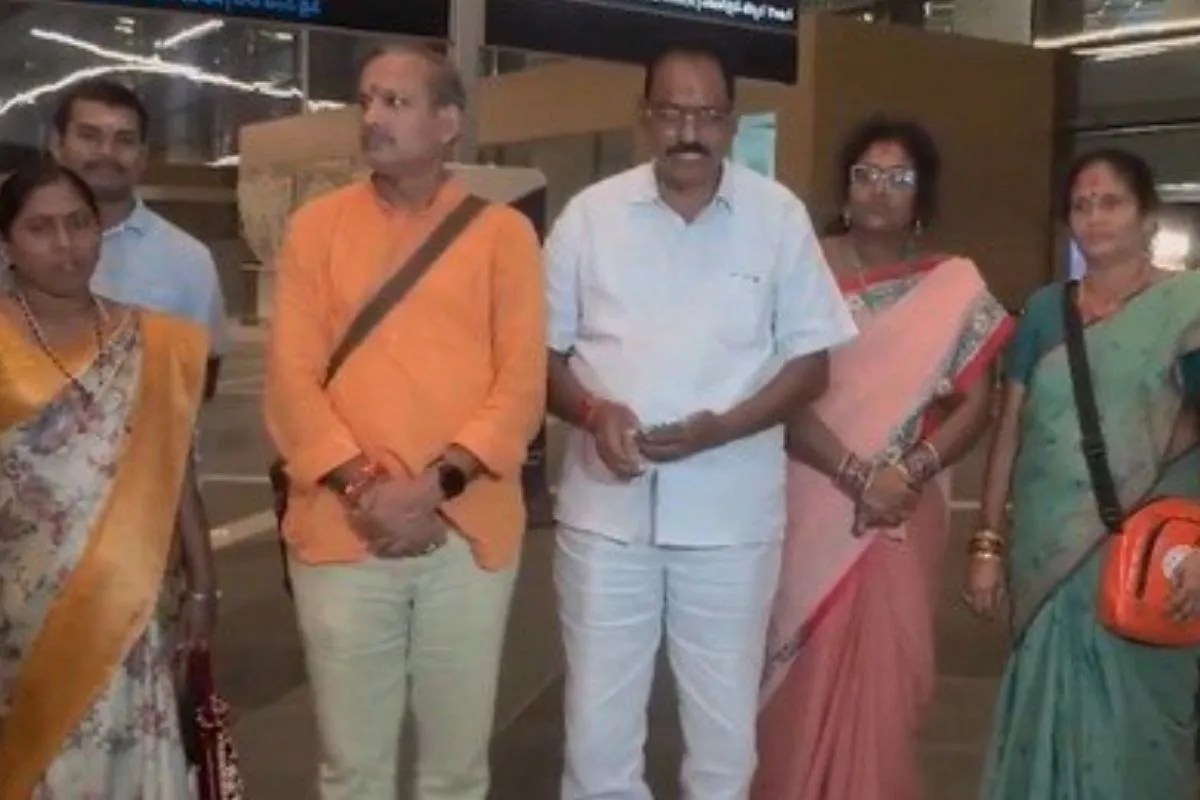
The morning air in Turkey smelled of salt, pine, and the sweet promise of a holiday that had taken months of saving to afford. Bags were packed. Passport holders were clutched tightly in sweaty palms. The promise of a warm beach and a break from the relentless gray of routine was finally within reach.
Then came the impact. If you enjoyed this post, you should read: this related article.
One moment, laughter bouncing off the glass windows of a tour bus. The next, a violent shudder, the shattering of safety glass, and a world turned completely upside down.
Travel brochures never print the warning label on the back page. They show you the turquoise water, the ancient ruins bathed in golden afternoon light, the smiling locals holding trays of strong coffee. They do not show the jagged curve of an unfamiliar highway, the slick asphalt after a sudden Mediterranean downpour, or the terrifying split second where a family vacation transforms into a medical emergency thousands of miles away from your own bed. For another look on this development, see the latest coverage from National Geographic Travel.
Consider what happens next when the noise fades and the sirens begin.
For one young traveler, that ordinary holiday afternoon splintered into a six-month recovery timeline. A freak accident. A phrase so clinical it fails to capture the sheer weight of what those words actually mean to a human being. It means sterile hospital walls instead of sandy beaches. It means learning how to sit up, how to walk, how to trust your own body again, all while navigating a foreign healthcare system and the agonizing logistics of medical repatriation.
Pain is intensely private. Yet, an injury sustained abroad turns private suffering into a very public ordeal.
There are insurance adjusters speaking a language of cold deductibles. There are midnight phone calls across different time zones. There is the profound, aching loneliness of looking out a hospital window at a city where you know nobody, wondering when you will finally sleep in your own room. We often look at travel as an escape, a temporary vacation from responsibility. We forget that vulnerability travels with us. It sits in the seat next to us on the plane, buckles up in the back of the tour bus, and waits quietly in the dark.
Recovery is not a straight line. It is a labyrinth.
Weeks blur into months. Physical therapy becomes a grueling daily ritual of small humiliations and microscopic victories. To lift a leg an inch higher. To bear weight on a fractured bone without crying out. To look in the mirror and recognize the person staring back, even if that person moves slower, hurts deeper, and carries invisible scars that no passport photo will ever show.
We romanticize the departure. We rarely talk about the return.
When the bones finally knit together and the discharge papers are finally signed, the journey is far from over. Stepping back onto home soil does not erase the trauma of the asphalt. It brings a new kind of quiet reckoning. The realization that life went on back home while your world stood completely still. Friends returned to work. Bills piled up. The calendar pages turned. And you are left piecing together the fragments of a normal life that now feels entirely unfamiliar.
Yet, inside that crucible of pain, something else happens.
Human resilience is stubborn. It refuses to stay broken. It shows up in the quiet devotion of family members sleeping upright on hard hospital chairs. It breathes in the steady encouragement of nurses who communicate across language barriers with nothing more than a gentle touch and an understanding smile. It proves that while bad luck can strike with the randomness of a falling leaf, the human capacity to heal, adapt, and endure remains remarkably fierce.
The bus tours will keep running. The brochures will keep printing their glossy promises of paradise. And we will keep packing our bags, driven by an innate, restless desire to see what lies beyond the horizon. We must go. We have to see the world. But we walk those ancient streets and board those unfamiliar vehicles a little wiser now, carrying a quiet awareness of how fragile the thread is that holds our everyday lives together.
The scars fade eventually. The memory of the sirens softens into a dull hum. But the horizon remains, wide and calling, waiting for the moment we find the courage to step out the door once more.