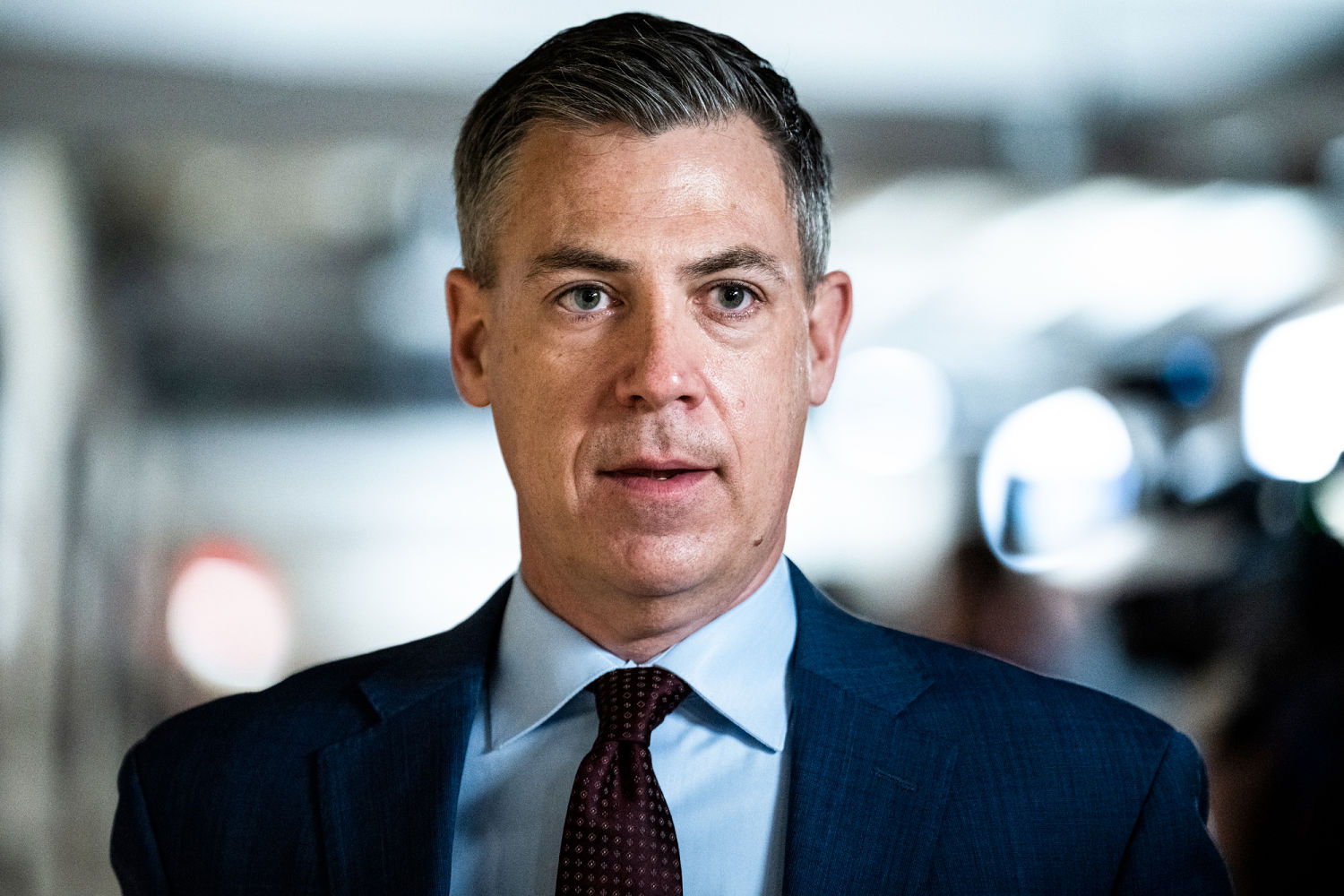
The political press corps loves a good public flogging. When a high-profile lawmaker gets caught in the crosshairs of an unproven accusation, the Washington playbook demands immediate, performative panic. Senator Jim Banks recently stepped right into that tired script, suggesting that Representative Max Miller should abandon his re-election bid before the ink on the allegations is even dry.
It is neat. It is clean. And it completely misunderstands how power works, how due process actually functions in the real world, and why knee-jerk self-sabotage is destroying political longevity.
We are living through an era of preemptive surrender. The lazy consensus says that optics outweigh facts, that any hint of turbulence means you must throw your allies overboard to save your own skin. This is not high-minded morality. It is cowardice disguised as pragmatism. If every politician folded the moment an anonymous source dropped a bombshell or an unverified claim surfaced, half of Congress would be vacant by Tuesday noon.
The Fallacy of the Preemptive Scalp
Let us look at the mechanics of what Banks is proposing. He wants a standard of liability where an allegation equals a conviction. I have watched campaigns panic and cut loose competent fighters over whispers that evaporated three weeks later, leaving the party weaker, more divided, and completely lacking a spine.
When you reward the weaponization of allegations, you invite your opponents to load the weapon every single morning.
Imagine a scenario where any faction with a grudge can derail a primary or an election simply by timing a leak to maximize maximum operational chaos. If a lawmaker can be forced out of a race by a fellow party member before a thorough, transparent inquiry takes place, the primary voters are rendered entirely irrelevant. The elites in the smoke-filled rooms—or the cable news green rooms—decide who stays and who goes.
Max Miller represents a specific type of disruptive energy in the House. Whether you agree with every vote he casts is irrelevant to the structural problem here. The moment you let outsiders or anxious colleagues dictate who gets to face the voters based on unproven smoke, you hand the keys of the republic over to the highest bidder of outrage.
Why Due Process is a Hard Requirement, Not a Suggestion
We throw around terms like "due process" as if they are inconvenient speed bumps on the highway of moral progress. They are not. They are the entire chassis of a stable system.
In legal and political strategy, jumping the gun to appease a hostile press corps is a rookie mistake. I have seen organizations hemorrhage millions of dollars trying to repair their brand after executing a panic-driven firing or ouster, only to discover the original claims were entirely baseless. The damage is permanent. The apology, if it ever comes, runs on page twelve in a five-point font.
Banks should know better. A seasoned political operator understands that folding under pressure signals weakness, and Washington smells weakness the way sharks smell copper. If the allegations against Miller are proven through rigorous, transparent scrutiny, then accountability follows its natural course. That is how the system is designed to work. But asking a sitting representative to step down on command because the headlines look messy is an invitation to total chaos.
The Real Motive Behind the Outrage
Let us stop pretending this is purely about high-minded ethics. Capitol Hill is a snake pit of ambition, positioning, and future leadership bids. When a prominent voice like Banks calls for a colleague to exit stage left, look past the PR statements about integrity. Look at the chessboard.
Political realignments require casualties. By distancing oneself early, a lawmaker insulates their own brand from collateral damage. It is a defensive hedge wrapped in righteous rhetoric. But it comes at a steep price: the erosion of institutional loyalty and the normalization of trial by Twitter.
If we accept that a single headline can invalidate a candidate, we no longer have elections. We have casting calls managed by media conglomerates.
What Actually Works
If you want to survive the modern meat grinder of American politics, you do not cave to the mob, and you do not abandon your caucus members the second the weather turns foul. You stand your ground, demand receipts, let the process play out, and let the voters—the actual people casting ballots in the district, not the pundits on morning talk shows—make the final call.
Max Miller staying in the race is not just about his political survival. It is a test of whether the Republican caucus still believes in the rule of law over the rule of the news cycle.
Jim Banks blinked. The rest of the party cannot afford to follow suit.