Politicians love a simple script. When a crisis hits, they open their drawers, pull out their pre-written narratives, and force the facts to fit.
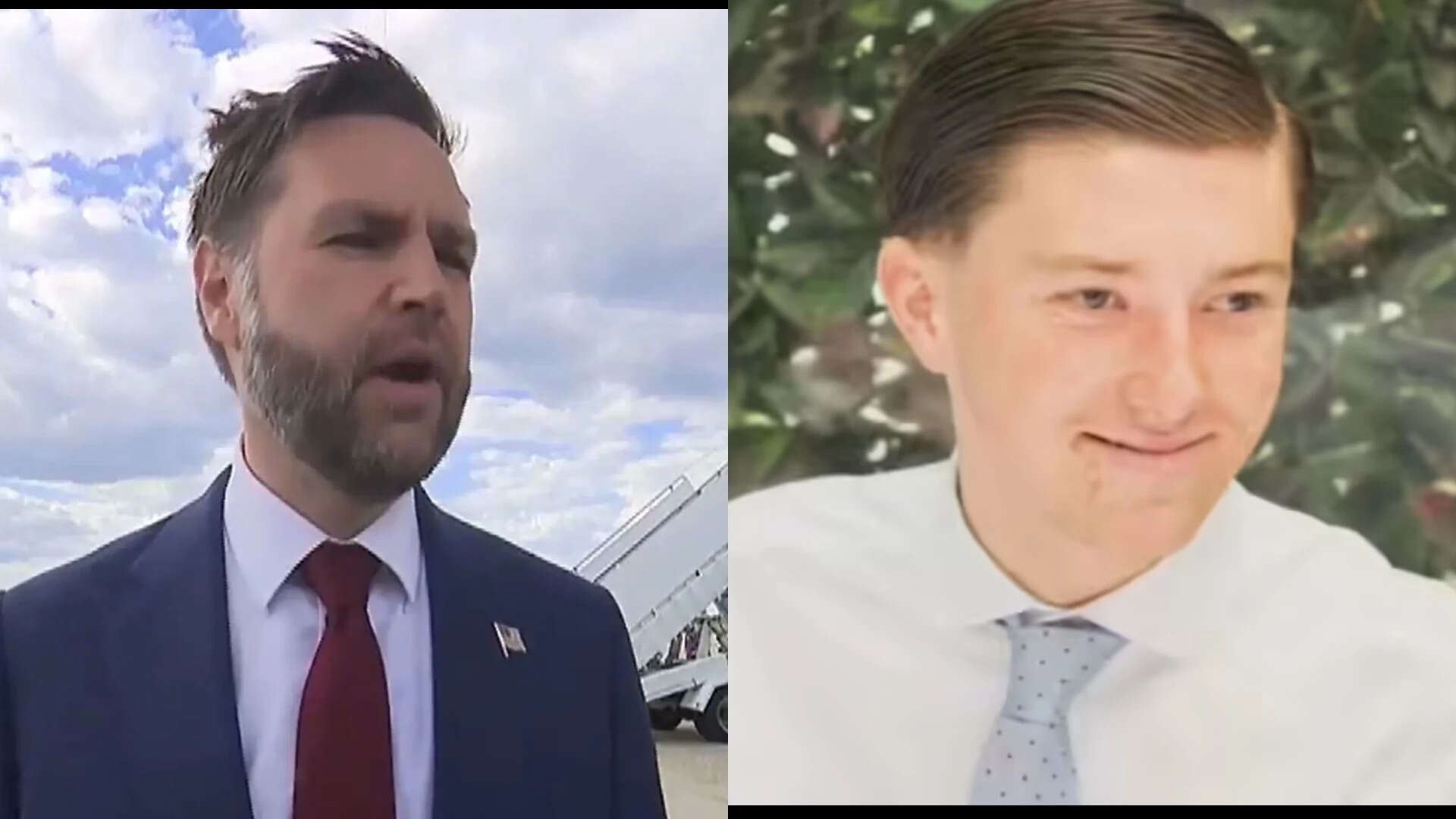
We saw this play out when JD Vance waded into the diplomatic row over the UK stabbing and subsequent civil unrest. The standard narrative from the populist right was instantaneous: mass migration is the singular engine of societal collapse. Meanwhile, the establishment left offered its own predictable counter-punch: the riots were purely the product of online misinformation and far-right agitators operating in a vacuum.
Both sides are completely missing the mechanics of how nations actually fracture.
The media circus focused entirely on the surface-level political drama—the sparring matches between transatlantic leaders and the finger-pointing over social media algorithms. But if you analyze the structural decay of post-industrial nations, you realize that immigration is not the root cause of this instability. It is the accelerant applied to a house that was already rotting from twenty years of deliberate economic strangulation.
The Lazy Consensus of the Migration Narrative
The argument championed by figures like Vance rests on a flawed premise: that removing or halting migration instantly restores social cohesion and economic stability. This is lazy thinking. It treats a highly complex macroeconomic symptom as a simple moral fable.
Step away from the cable news shouting matches and look at the actual data regarding municipal decline in the West. The areas in the UK that experienced the most volatile unrest over the last year are not merely places with changing demographics. They are post-industrial ghost towns that have been systematically hollowed out by two decades of regional underinvestment, collapsing public services, and zero social mobility.
When a state fails to maintain the basic infrastructure of civil society—healthcare, policing, functional schools, and meaningful employment—it creates a permanent state of domestic anxiety. Populist politicians exploit this anxiety by directing it at the most visible target: the newcomer.
I have spent years analyzing regional economic data and watching corporate and state capital abandon entire geographic sectors. When capital leaves, stability goes with it. To claim that a town's collapse is solely due to the arrival of migrants ignores the fact that the factories closed, the budgets were slashed, and the local economies were left for dead long before the first asylum seeker arrived. Migration did not create the vacuum; the state did.
The Myth of the Purely Digital Riot
The establishment media fell into an equally lazy trap. They claimed that the riots were entirely "manufactured" by online algorithms and foreign disinfo campaigns.
This view is profoundly naive. You cannot radicalize a stable, prosperous, and content population with a few viral tweets or false rumors. Misinformation only takes root in soil that is already highly toxic.
Imagine a scenario where a spark is thrown onto a wet concrete slab. Nothing happens. Throw that same spark into an unventilated room filled with gas fumes, and the building explodes. The establishment is blaming the spark while totally ignoring the fact that they spent decades filling the room with gas.
The underlying gas is economic alienation. When young men in forgotten towns feel they have no stake in the future, no property ownership prospects, and no institutional respect, they become highly volatile. The internet did not invent their rage; it merely provided the logistics for its coordination.
The Real Crisis is State Capacity
What Vance and his contemporaries refuse to address is the total bankruptcy of Western state capacity.
For thirty years, Western governments operated on a model of outsourcing, offshoring, and privatizing the vital organs of the state. They assumed the market would naturally handle social cohesion. It did not.
The crisis we are witnessing across the UK, and by extension the wider Western world, is a crisis of administrative incompetence. Governments can no longer execute basic functions effectively. They cannot secure their borders efficiently, they cannot process legal infrastructure swiftly, and they cannot revitalize the domestic communities that feel abandoned.
| Metric of Decline | The Superficial Political Explanation | The Structural Reality |
|---|---|---|
| Rising Social Friction | Cultural incompatibility driven by immigration. | Overburdened local infrastructure failing to scale. |
| Regional Riots | Orchestrated purely by online right-wing networks. | Decades of economic disinvestment creating a volatile underclass. |
| Diplomatic Rows | Ideological clashes between globalists and populists. | Deflection tactics used by politicians to hide domestic policy failures. |
This structural failure creates a feedback loop. When the state appears weak, incompetent, or indifferent, public trust evaporates entirely. Once trust is gone, the rule of law becomes optional.
The High Cost of the Populist Distraction
The danger of the Vance narrative is not just that it is wrong; it is that it actively prevents any real solutions. By framing every instance of domestic civil unrest as an immigration problem, it lets the financial and political architects of regional decline completely off the hook.
It ensures that we spend all our collective energy debating border tallies and social media censorship instead of discussing how to rebuild domestic manufacturing, re-shore supply chains, and reinvest capital into communities that have been ignored since the mid-1990s.
Focusing exclusively on identity politics and border metrics is a cheap way to look like a reformer without ever having to fix a single broken institution. It requires zero policy nuance to point at a migrant hotel and stir up a crowd. It requires immense operational capability to rebuild a failing healthcare system or restructure a regional economy. And operational capability is exactly what modern politicians lack.
Stop looking at the borders. Start looking at the boards of directors, the central banks, and the decades of municipal neglect that turned Western towns into tinderboxes. The politicians want you looking at each other so you don't look up.
Fix the structural floor of the economy, or get used to the smoke. Those are the only two options left on the table.