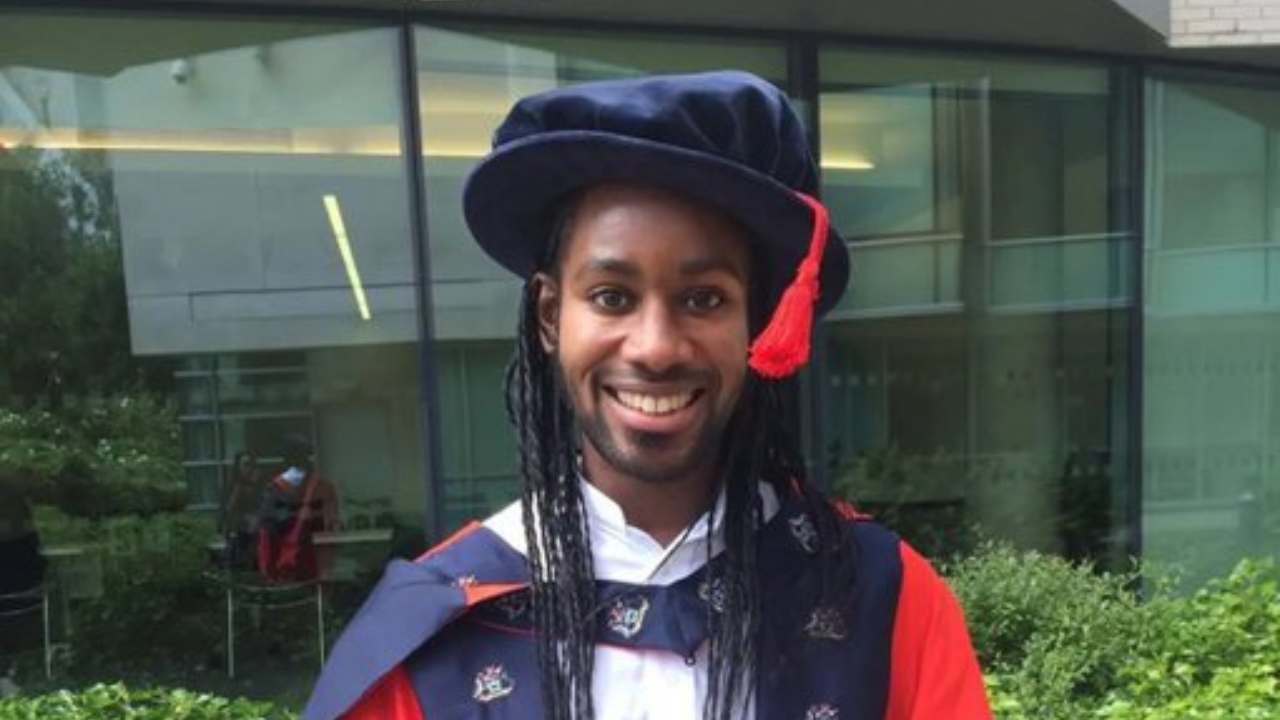
The death of Jason Arday at the age of forty-one has transformed an institutional inquiry into a national reckoning. Found unresponsive at his south London home just days after resigning his chair as Cambridge University's professor of sociology of education, Arday’s sudden passing leaves behind a vacuum filled with grief, anger, and uncomfortable questions about how modern institutions handle public pressure. Prime Minister Andy Burnham described the situation as a tragedy on multiple levels, urging a period of reflection rather than reactionary posturing. Yet reflection alone will not fix an academic ecosystem that has increasingly come to resemble a digital Roman arena.
To understand how Arday’s career unraveled, one must examine the mechanics of contemporary online scrutiny. In the weeks preceding his resignation, Arday became the target of intense investigations led by independent researchers and amplified across social media channels. These critics utilized plagiarism-detection software to comb through his doctoral thesis, published papers, and biographical details. They flagged duplicated passages, questioned biographical claims regarding his early life and athletic achievements, and dissected every facet of his public persona.
The pressure was relentless. When Cambridge initially stood by its professor—who made history in 2023 by becoming the institution's youngest Black professor—the backlash only intensified. Critics accused university leadership of lowering standards to protect a symbolic appointment. Under mounting weight, and with an independent inquiry officially announced by the university into his academic qualifications, Arday chose to step down. In his resignation letter, he noted that the persistent accusations and public commentary had extracted a profound toll. Days later, he was dead.
The Anatomy of Institutional Panic
Universities operate under immense pressures today. They are simultaneously corporate entities protecting a global brand, public trusts accountable to taxpayers, and ideological battlegrounds where every hiring decision is parsed for political intent. When a high-profile appointment faces allegations of academic misconduct, institutional leadership rarely responds with quiet, measured due process. Instead, they panic.
The trajectory of Arday’s scrutiny reveals a systemic failure in how modern institutions manage crisis. When initial blog posts and social media threads raised questions about his doctoral work at Liverpool John Moores University, the response was split between defensive tribalism and immediate public abandonment. There is a vast operational chasm between rigorous academic auditing and a digital pile-on. Academia has always possessed internal mechanisms for dealing with suspected plagiarism or CV inflation: committees, peer reviews, retraction requests, and formal disciplinary hearings. These processes are slow by design. They require evidence, context, intent, and the right of reply.
Digital bloodsports bypass all of this. Twitter threads and open-source investigations operate on velocity, not verification. When an institution caves to the immediate demands of online mobs—either by rushing to defend an individual blindly or by throwing them to the wolves the moment a scandal breaks—it abdicates its core responsibility. The university became a weather vane, spinning frantically depending on which way the public relations wind was blowing.
The Weaponization of Scrutiny
We must look closely at the nature of the campaign directed against Arday. His family and close supporters have argued forcefully that the level of scrutiny went far beyond standard academic auditing. They point to a sustained effort to dismantle every element of his credibility, stretching back years.
In higher education, background checks and credential verifications are supposed to occur before an appointment is finalized. If universities are hiring candidates with glaring discrepancies in their doctoral theses or biographical profiles, the primary failure rests with the vetting committees, search firms, and vice-chancellors who signed off on the paperwork. Shifting the entire burden of accountability onto the individual scholar after they have been thrust into the spotlight creates an untenable dynamic.
Furthermore, the public discourse surrounding Arday quickly bled into questions of race, meritocracy, and institutional diversity initiatives. For critics of modern university hiring practices, Arday became a convenient proxy for broader grievances about affirmative action and EDI quotas. For his defenders, the relentless focus on his credentials reeked of targeted harassment designed to diminish the historic nature of his promotion. Caught in this crossfire was a human being whose professional life was publicly flayed over the course of a few short weeks.
The Duty of Care in the Public Eye
The coroner will investigate the exact medical cause of death, but the social causes are already laid bare for anyone willing to look. Modern public shaming carries a psychological lethality that our legal and professional frameworks are entirely unequipped to handle.
When a person loses their job, their reputation, and their life's work synchronously under a microscope of global condemnation, the psychological shock is absolute. Friends and colleagues noted that Arday was deeply distressed by the public ridicule, feeling that every detail of his private and professional existence was being distorted for public consumption.
Institutions love to talk about mental health and duty of care during orientation week, printing brochures and setting up wellness portals. Yet when a high-profile faculty member becomes a PR liability, those same institutions frequently cut off communication, isolate the individual, and prioritize brand preservation over human survival. The university press office issues a statement of profound shock, but the machinery that helped drive the person to the edge remains completely unexamined.
The fallout from this event should force a radical reassessment across the British academic establishment. Journals, hiring committees, and media outlets must draw a hard line between genuine accountability and algorithmic harassment. Rushing to judgement, whether by prematurely cancelling a scholar or by weaponizing technical errors for ideological warfare, destroys lives before the facts can even settle into a coherent picture.
Jason Arday’s rise was hailed as a breakthrough for representation in elite spaces, and his fall became a brutal demonstration of how unforgiving those spaces have become. Until universities learn to protect due process over reactionary optics, and until online commentators recognize the flesh-and-blood reality behind the avatar, the academy will continue to consume its own people.


:max_bytes(150000):strip_icc():focal(599x0:601x2)/jake-romy-reiner-dodgers-080326-14058af2500249a2afdfd69ef3af9f09.jpg)
