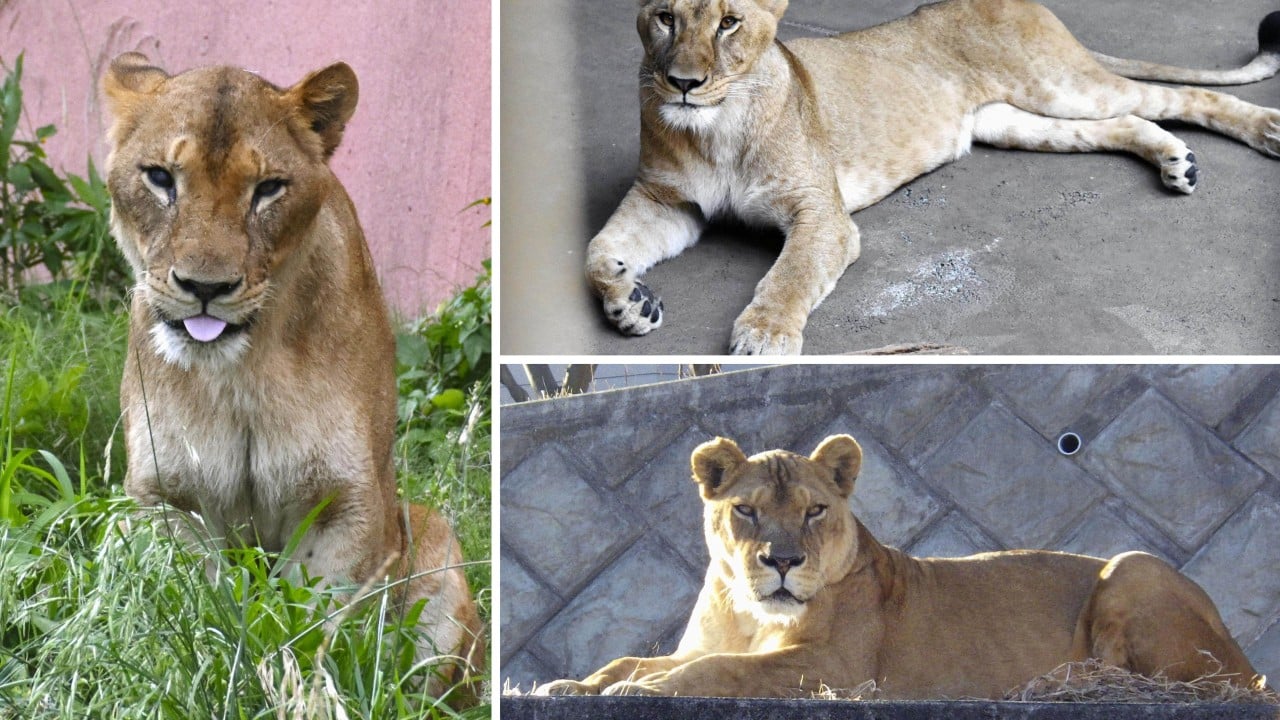
We think of lions as beasts of the scorched savannah, creatures born to thrive under a blazing sun. But biology doesn't care about stereotypes. At Tokyo's Tama Zoological Park, three female lions died within a single week from suspected heatstroke and multiple organ failure.
Japan's summers have crossed a terrifying line. Temperatures are soaring past 40 degrees Celsius, triggering a grim new label from meteorologists: the "cruelly hot day." When Mugi, a three-year-old lioness, stopped eating on July 19 and collapsed the next day, zookeepers scrambled with water and industrial fans. It wasn't enough. Ichigo, aged 11, and Luena, aged 15, followed her days later. Ten out of the sixteen lions in the enclosure fell ill.
The Humidity Trap Nobody Talks About
Africa is hot, sure. But African heat is dry.
When you drop tropical humidity into the mix, animal biology breaks down completely. Hideaki Karaki, a professor of veterinary medicine at the University of Tokyo, points out a crucial physiological detail. Lions don't sweat like humans do. Instead, they pant heavily, forcing moisture out through their airways so it evaporates and cools their blood down.
When the air is thick soup—drenched in Japanese summer humidity—that moisture refuses to evaporate. The cooling system stalls out entirely. The lions' core body temperatures trap heat inside, leading straight to the catastrophic dehydration and organ shutdowns found during their autopsies.
Add a brutal, sudden shift in weather right after the rainy season ended in late July, and these animals had zero time to acclimatise. They were trapped in a weather trap of our modern climate reality.
Beyond the Zoo Gates
This isn't just an isolated tragedy for a few captive big cats. It's a glaring symptom of a wider ecological and societal breakdown. Thousands of people across Japan are ending up in hospital wards with severe heatstroke weekly. Authorities are scrambling, urging office workers to ditch traditional suits for casual, breathable clothes just to survive the commute.
Zoos worldwide are now forced to completely rethink how they house animals built for different environments. Tama Zoological Park shuttered its famous safari-style lion bus rides and moved surviving big cats into private, air-conditioned back-room enclosures.
If apex predators designed for heat can't handle the new normal of our global climate, we have to look hard at what this means for the rest of the ecosystem. The concrete and glass of modern megacities trap heat islands that push temperatures even higher than official readings suggest.
Keep an eye on how urban wildlife management shifts over the next few years. If you're visiting outdoor animal parks during peak summer months anywhere in the world, check whether local facilities have proper climate-controlled refuges for non-native species. Conservation isn't just about protecting habitats anymore; it's about artificially cooling a warming planet one enclosure at a time.

.png?itok=1mb05mKJ)

