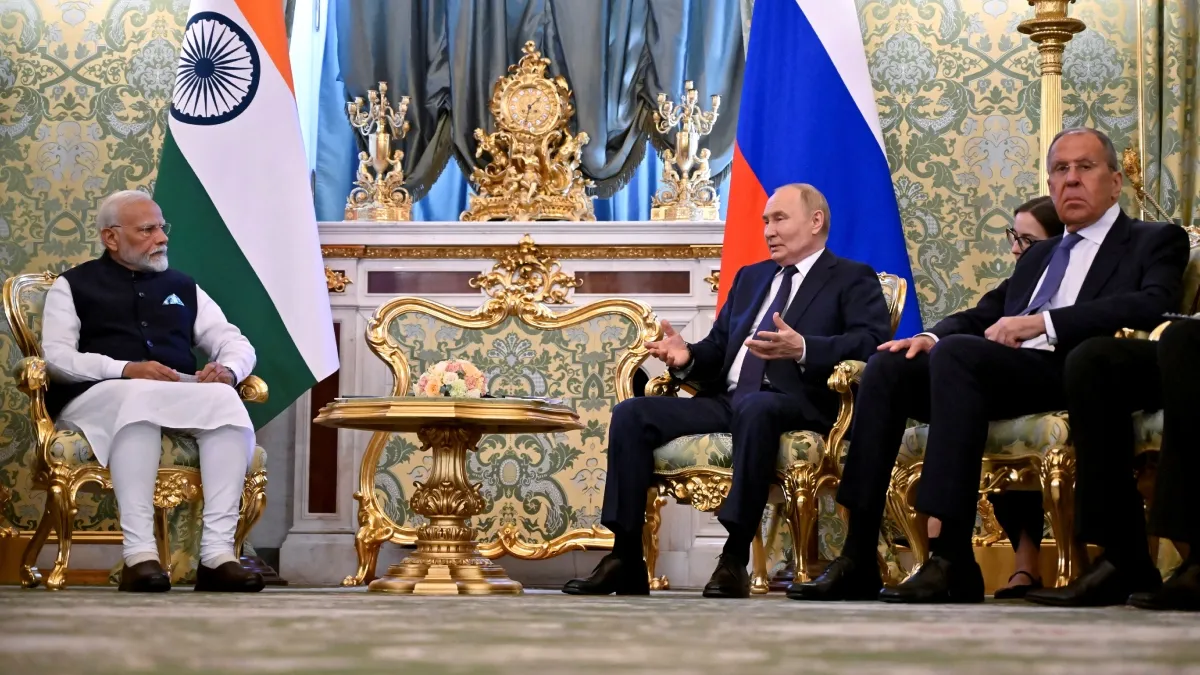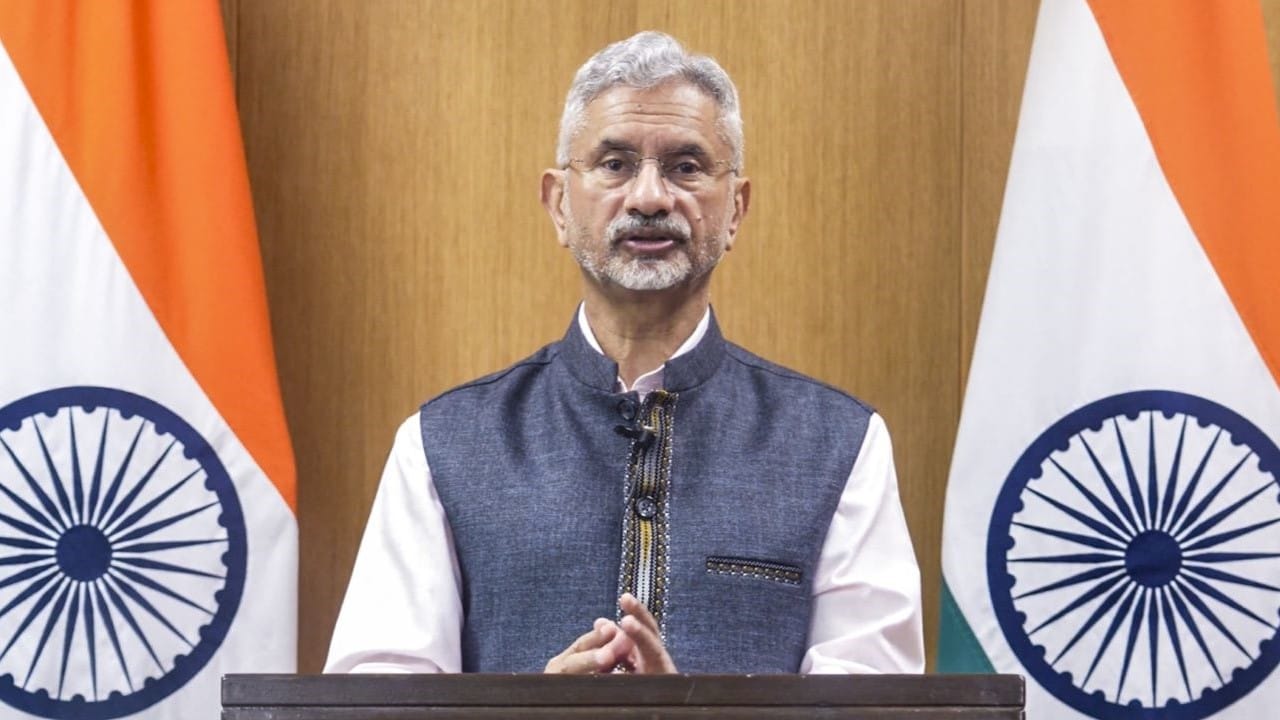
India’s foreign policy isn't about picking sides anymore. It's about building a fortress of diverse allies while the traditional powers bicker. This week at the BRICS Foreign Ministers' Meeting in New Delhi, External Affairs Minister S. Jaishankar didn't just give a speech about global unity. He sat down with his counterparts from Egypt and Thailand to hammer out a survival plan for a world currently choked by the 2026 Iran war and massive trade disruptions.
If you're wondering why these two specific countries matter right now, it's simple. Egypt controls the gateway to the Mediterranean, and Thailand is India’s bridge to Southeast Asia. With the Strait of Hormuz effectively a no-go zone and energy prices hitting the roof, Jaishankar is playing a high-stakes game of "connect the dots" to keep the Indian economy breathing.
The Egyptian connection and the Suez wildcard
The meeting between Jaishankar and Egypt’s Foreign Minister Badr Abdelatty wasn't just a polite photo op. It was a strategy session on how to bypass the mess in West Asia. Egypt recently joined BRICS, and they're proving why they belong. They aren't just a "friendly nation"; they're a massive logistics hub that India needs more than ever.
The war in Iran has turned global shipping into a nightmare. When the Strait of Hormuz closes or becomes a combat zone, the Suez Canal—Egypt’s crown jewel—becomes even more critical. Jaishankar and Abdelatty spent significant time discussing the localization of industries. We aren't just talking about buying and selling stuff. They're looking at making green hydrogen components and textiles right in the Suez Canal Economic Zone.
- Defense ties: Both nations are worried about regional instability leaking into their borders. They've agreed to ramp up information exchange and counter-terrorism efforts.
- Green energy: Egypt wants to be a green hydrogen powerhouse, and India has the tech to help them get there.
- Investment: Indian companies are being pushed to set up shop in Egypt to get easier access to European and African markets.
Egypt’s position is unique. While they're a voice for the Arab world, they’re also desperate for the stability that trade with India provides. For Jaishankar, a strong tie with Cairo means India has a reliable partner at the western edge of the crisis zone.
Thailand as the eastern anchor
While the West Asia crisis dominates the headlines, Jaishankar hasn't forgotten the East. His talks with Thailand's Maris Sangiampongsa were about securing the other side of the map. Thailand’s "Act West" policy is a mirror image of India’s "Act East" strategy. It’s one of those rare moments in diplomacy where two countries' goals actually line up perfectly.
The conversation focused on "physical and financial connectivity." That’s diplomatic code for: "How do we move goods and money without getting blocked by regional conflicts?" They discussed the trilateral highway project and ways to make digital payments between the two countries easier for the millions of Indian tourists visiting Thailand every year.
Thailand is a key member of ASEAN, and as the 2026 Iran war makes northern shipping routes risky, the maritime bond between India and Thailand in the Bay of Bengal becomes a vital trade artery. They're looking at more than just tourism—they're talking about deep-sea ports and joint naval patrols to keep these waters safe from the "fragility" Jaishankar warned about in his national statement.
The West Asia fire and India’s neutral tightrope
Let’s be real. The reason Jaishankar is working overtime with Egypt and Thailand is because West Asia is currently a powderkeg. The 2026 Iran war has forced India into a difficult spot. On one hand, India needs Iranian energy. On the other, it can't afford to alienate the US or Israel.
In his address to the BRICS group, Jaishankar was blunt. He called unilateral sanctions a direct hit on the Global South. He didn't name names, but everyone knew he was talking about the Western pressure on Iran. India’s stance is clear: sovereignty is non-negotiable, and you can't just shut down international waterways like the Strait of Hormuz without expecting a massive backlash from developing nations.
"Safe and unimpeded maritime flows through international waterways... remain vital for global economic well-being." - S. Jaishankar, May 14, 2026.
This isn't just rhetoric. India is currently facing an LPG crisis because 90% of its imports used to come through that strait. By strengthening ties with Egypt and Thailand, India is trying to build a "Plan B" trade network that doesn't rely on the stability of a single region.
What this means for your wallet
You might think these high-level meetings don't affect you, but they do. When Jaishankar talks about "green transition" with Egypt or "financial connectivity" with Thailand, he's trying to stabilize the prices you pay at the pump and the store.
- Energy Security: If the Egypt deal works, India gets a foothold in new energy markets that don't depend on Persian Gulf stability.
- Lower Transaction Costs: If you’re traveling to Thailand or doing business there, the push for linked digital payment systems means fewer fees and less hassle.
- Market Access: For Indian entrepreneurs, the Suez Canal Economic Zone is a massive opportunity to bypass the high tariffs of direct European shipping.
Don't wait for the mainstream news to tell you the war is over before you look at these markets. If you're in the export-import business or the tech sector, now's the time to look at the "India-Egypt-Thailand" triangle. The government is laying the groundwork; the smart move is to follow the money and the diplomatic trail they're blazing. Start looking into the incentives Egypt is offering in the Suez zone and keep an eye on Thailand's new tech MoUs. The map of global trade is being redrawn right now, and these are the new lines that matter.