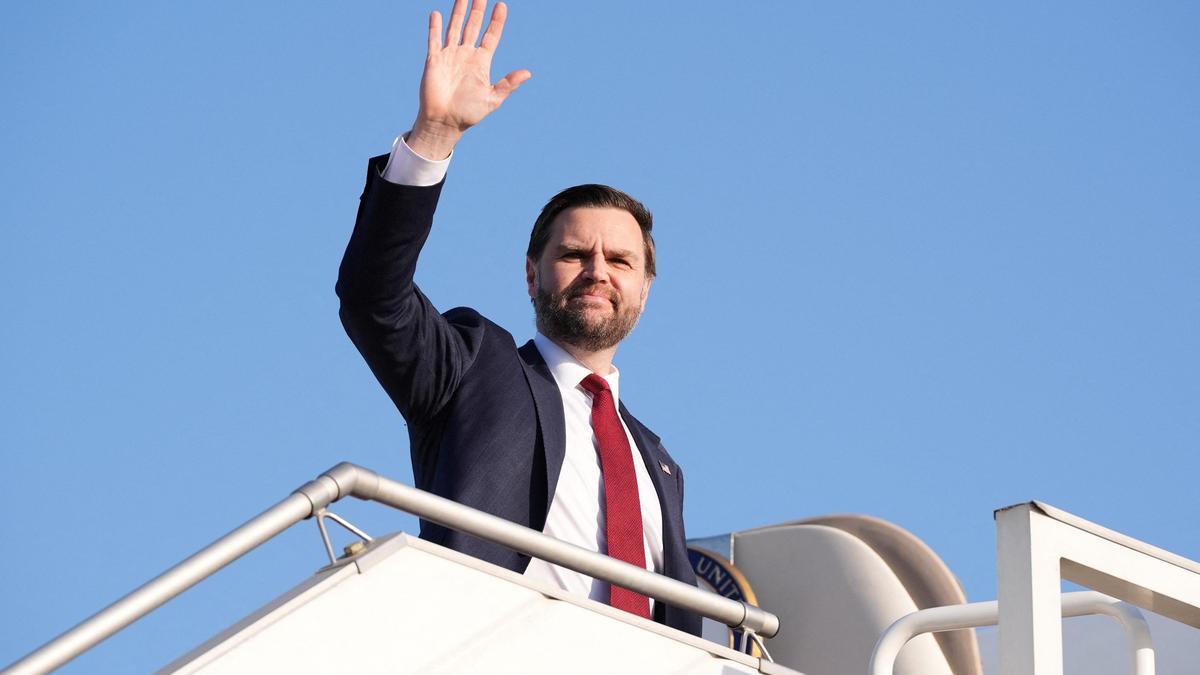
The marathon session in Islamabad is over, and the result is exactly what skeptics feared. After 21 hours of high-stakes tension behind the closed doors of the Serena Hotel, Vice President JD Vance boarded Air Force Two on Sunday morning without a signed deal. For anyone hoping that a weekend in Pakistan would suddenly untangle decades of U.S.-Iran hostility, the reality check has arrived.
The breakdown wasn't just a minor disagreement over phrasing. It was a fundamental collision of red lines. Washington walked in demanding an ironclad, permanent end to Tehran’s nuclear ambitions. Iran walked in wanting their frozen billions back and a regional retreat from the U.S. and Israel. Neither side blinked.
The Nuclear Wall That Blocked a Breakthrough
You don't negotiate for nearly a day straight unless you think there's a path forward, but the "nuclear question" turned into a brick wall. JD Vance was blunt before leaving. He pointed out that the U.S. needed an "affirmative commitment" that Iran wouldn't just pause, but completely abandon the pursuit of nuclear weapons and the infrastructure to build them.
Iran isn't buying it. Their delegation, led by Parliament Speaker Mohammad Bagher Ghalibaf, viewed these demands as "excessive." From Tehran's perspective, they’re being asked to disarm while their regional rivals remain fully powered. It’s a classic stalemate. The U.S. feels it's being "flexible," while Iran feels it's being bullied.
- The U.S. Stance: No deal happens without a total, verifiable shutdown of the nuclear program.
- The Iranian Stance: Economic relief and frozen asset releases must come first, alongside a ceasefire in Lebanon.
- The Result: A "final and best offer" left on the table by Vance, with no guarantee it'll ever be picked up.
Trump and the Strait of Hormuz Strategy
If you think the failure of these talks means a return to the status quo, think again. President Trump didn't wait for Vance’s plane to land before raising the stakes. He’s already signaled that the U.S. Navy will begin the process of blockading the Strait of Hormuz.
This is a massive escalation. We’re talking about a waterway that handles roughly 20% of the world's energy supply. Trump’s logic is simple: if Iran won’t sign a deal to stop their nuclear program, the U.S. will squeeze their windpipe. He’s even threatened to interdict ships in international waters that have paid "illegal tolls" to Iran. It’s aggressive, it’s risky, and it’s going to send oil markets into a tailspin.
Honestly, this feels like a "maximum pressure" campaign on steroids. The administration seems convinced that Iran is militarily defeated and just needs one final push to cave. But history shows that when you corner a regime like this, they don't always surrender—sometimes they lash out.
Pakistan as the Unlikely Middleman
It’s worth noting how weird it is to see Islamabad at the center of all this. A year ago, Pakistan was a diplomatic outcast. Now, Prime Minister Shehbaz Sharif and Field Marshal Asim Munir are being praised by Vance as "incredible hosts."
Pakistan managed to pull off a logistical miracle by keeping the two sides in the same building for 21 hours. They even deployed troops to Saudi Arabia as part of a side deal to ensure regional stability during the talks. While they didn't get the "peace in our time" photo op they wanted, they’ve successfully re-inserted themselves as a major player in Middle Eastern diplomacy.
What Happens Tomorrow
The "final and best offer" Vance left behind is basically a ticking time bomb. If Tehran ignores it, expect the blockade in the Strait of Hormuz to tighten. If they accept parts of it, we might see a return to back-channel talks. But for now, the entire U.S. team—including Steve Witkoff and Jared Kushner—has cleared out of Islamabad.
Don't expect a quiet week. With the U.S. Navy moving to clear mines and set conditions in the Strait, the "fragile ceasefire" mentioned by diplomats is looking thinner by the hour. The ball is in Tehran’s court, but they’re currently looking at a court that’s surrounded by American warships.
If you’re watching energy prices or regional stability, the next 48 hours are going to be a wild ride. Keep an eye on the Strait of Hormuz. That’s where the real consequences of this failed weekend will play out.