The coffee in the thermos had gone cold hours ago, tasting faintly of tin and old grounds, but Mykola didn’t mind. He had other things to worry about. Outside the reinforced cab of the locomotive, the Ukrainian night was an ink-blot bruised occasionally by the white flicker of distant artillery. Every vibration through the floorboards wasn't just the rhythm of steel on steel; it was a diagnostic check of a country's pulse.
We forget how fragile a nation is until its arteries are targeted.
In peacetime, a railway is background noise. It is the schedule on the phone screen, the muffled rattle overhead while you read a novel, the commuter dozing against a frosty window. But when the sky tears open and the highways choke with debris, the train tracks become something else entirely. They become the thin, gray line between survival and collapse.
Consider what happens when the power grid fails. Traffic lights die. Communication towers slump into silence. Diesel fuel becomes liquid gold, guarded jealously at depots. Yet, heavy-duty rail corridors—powered by crews who refuse to clear out—keep moving. They carry grain to starving ports, wounded soldiers to sterile surgical tents, and children away from the howl of sirens.
Mykola adjusted his grip on the throttle. He is a hypothetical composite of thousands of real railway workers whose actual names are withheld for security, but his exhaustion is historically documented by every transport union and logistics report emerging from Eastern Europe. He is fifty-two. His hands are permanently stained with grease that refuses to scrub out, mapped with small white scars from decades of wrenching seized bolts in freezing yards.
"People think driving a train is like driving a car, just bigger," he had once told a reporter, his voice dry as gravel. "It is not. You cannot swerve. You cannot brake quickly. If something is blocking the line ahead, you either pass through it or you stop too late."
Now, add air-raid sirens to that equation.
Imagine steering a seventy-car freight train through an active conflict zone, headlights deliberately extinguished to avoid drawing the gaze of overhead drones. You rely on memory, the slope of the grade, the subtle pitch of the rails, and the faint glow of phosphorus dials on the dash. Every bridge is a question mark. Every switching station is a target.
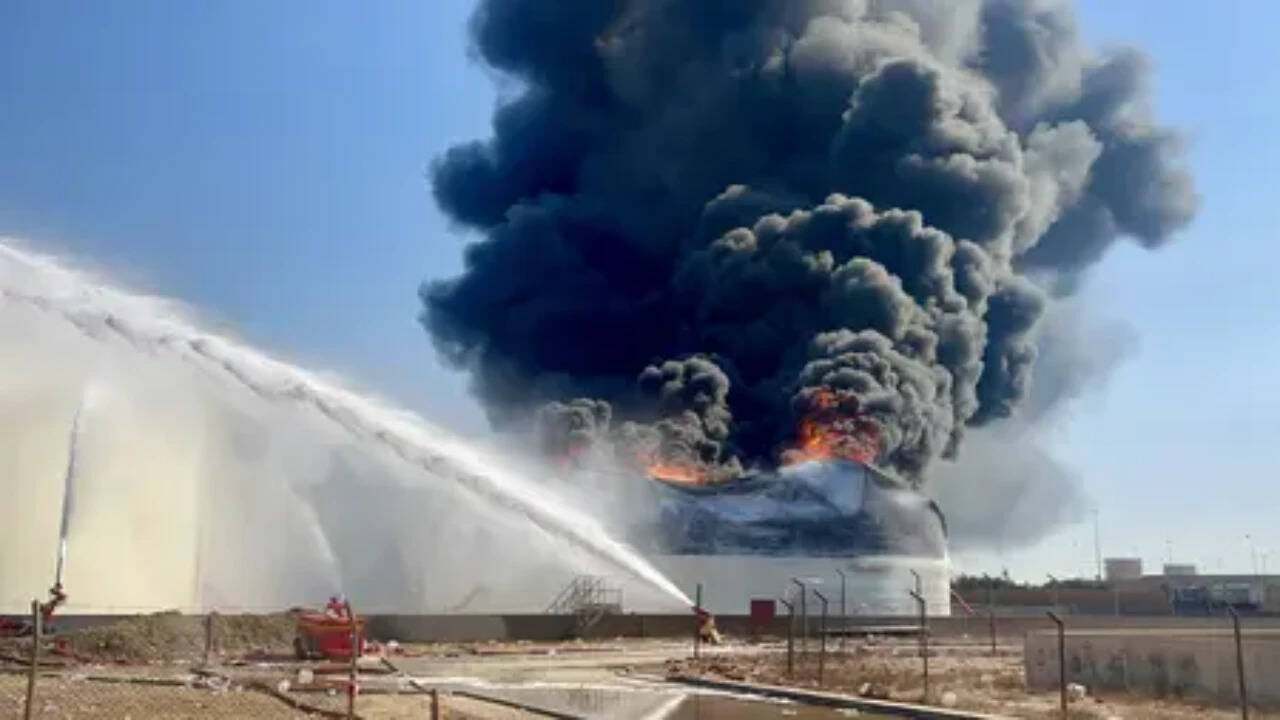
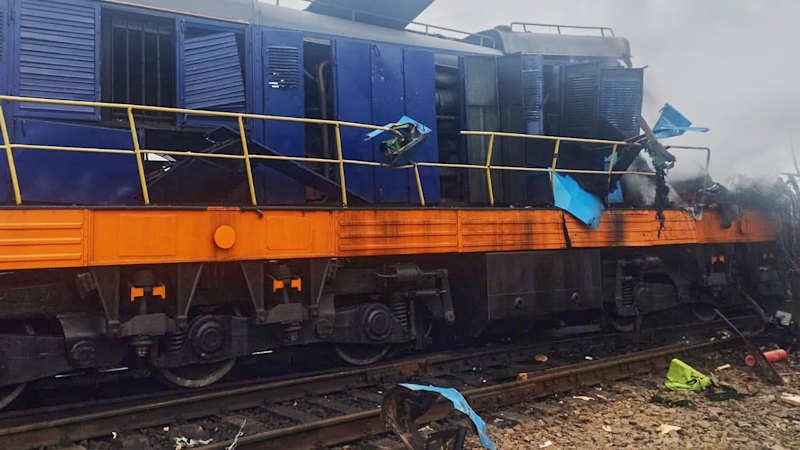
The numbers tell a staggering story, though numbers alone rarely make you hold your breath. Since the full-scale invasion of Ukraine, thousands of kilometers of track have been damaged by shellfire, cruise missiles, and intentional sabotage. Stations have been reduced to jagged concrete teeth. Yet, the state railway operator managed to maintain an astonishing passenger schedule punctuality rate exceeding ninety percent during the first grueling year of the war—a feat that baffled foreign logistics experts who expected total administrative paralysis.
How did they do it?
By becoming ghosts in the machine.
When a bridge collapses over a swollen river, repair crews do not wait for bureaucratic clearance or optimal weather. They move in under the cover of dusk, armed with arc welders, heavy timber, and sheer, stubborn defiance. They bolt twisted girders back together while artillery thuds three miles away, ground tremors shaking their tools from their hands. They are made of iron, the workers say with grim humor. The phrase is a shield against the fear.
But iron bends under enough heat.
The psychological toll on these crews is an invisible crisis. Drivers experience chronic hypervigilance. Every sudden bang against the side of a carriage—a loose stone kicked up by the wheels, a falling branch—triggers the reflexive flinch of a soldier under fire. They live in a state of suspended animation, alternating between grueling shifts on the footplate and sleepless nights waiting for news from home.
And yet, the trains keep rolling.
Why? Because mobility is morale. As long as the steel network holds, the illusion of a functioning society persists. A mother holding her toddler in a crowded, unheated compartment can look out the window and see the blurred lights of a distant village, knowing she is moving toward safety. A wounded soldier can look up at the IV bag swinging gently with the motion of the carriage and know that the medics are still within reach.
The railway is not merely an economic asset. It is an act of collective will.
We often measure human history by its monuments—the stone cathedrals, the marble arches, the bronze statues of generals on horseback. But the truer monuments are the unglamorous networks of maintenance: the grease-stained overalls, the ballast shoveled by hand under a freezing drizzle, the sleepless dispatcher staring at a flickering monitor in a concrete basement.
As Mykola guided his train across the final river crossing before dawn, the eastern horizon began to smear with a bruised, pale gray. The air inside the cab smelled of ozone and stale tobacco. Ahead of him, the tracks vanished into the gray morning mist, curving gently toward a destination he couldn't yet see. He didn't smile. He just pushed the handle forward one notch, feeling the heavy, beautiful lurch of iron answering his hand.