The sound was not thunder. It was steel sliding against concrete.
To anyone standing on the outside, it was merely maintenance, a mechanical groan of hinges that had not seen grease in years. But to those waiting in the stifling Caracas heat, that sound carried the weight of a dying universe and the terrifying birth of something new.
Metal on concrete.
Silence followed. Then, footsteps.
For months, the asphalt outside the detention facility had collected cigarette butts, discarded water bottles, and the quiet despair of families who refused to leave. They slept on folding chairs. They wrapped themselves in thin blankets when the nocturnal mountain chill rolled down from El Ávila. They traded rumors like currency. Someone heard a whisper from a guard. Someone else saw a convoy arrive under the cover of a moonless sky.
Then came the meeting thousands of miles away.
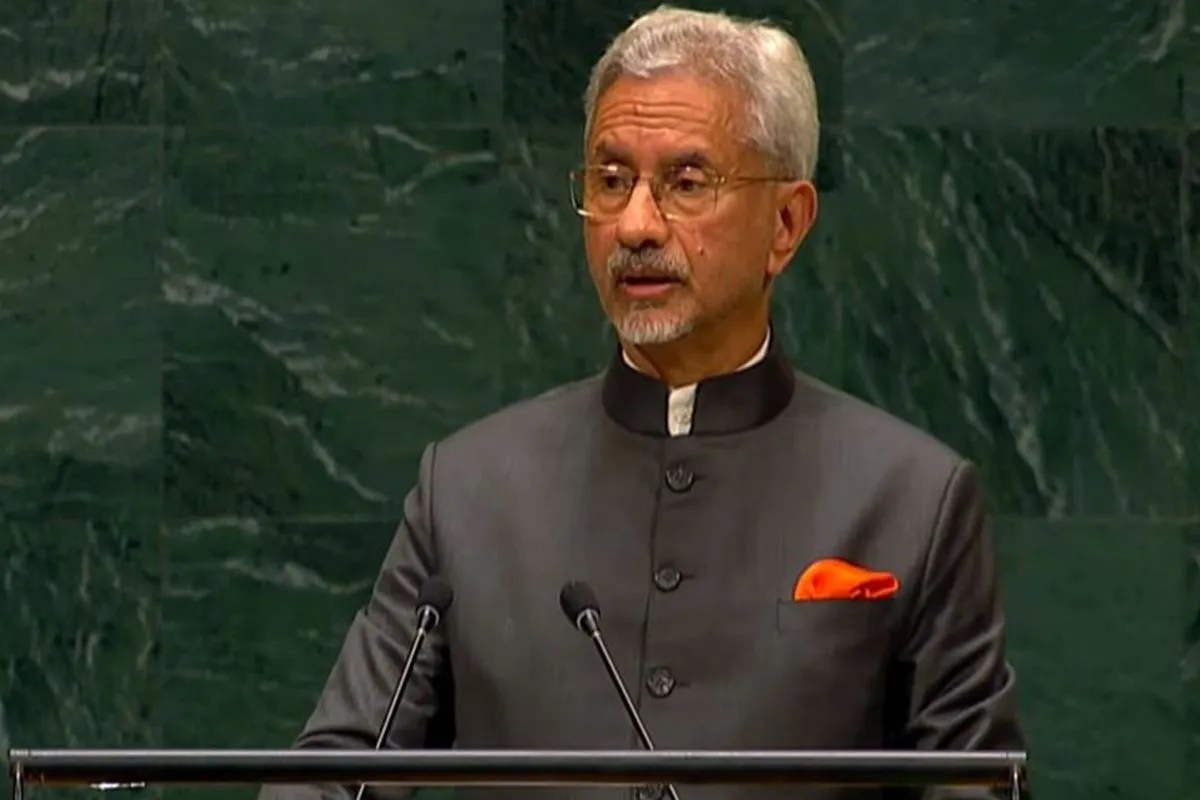
In a world where power is measured in missile silos, oil barrels, and press briefings, a summit took place behind closed doors. Donald Trump sat across the table from Venezuela’s interim opposition leadership. To the pundits on television, it was a calculus of sanctions, diplomatic recognition, and petroleum futures. It was about strategic advantages, pressure points, and geopolitical chess.
Yet spreadsheets do not bleed. Treaties do not weep in the dark.
Consider a hypothetical woman we will call Mariana, whose story mirrors dozens played out beneath the tropical sun. Imagine her standing across the street from the gray-walled compound where her husband, an engineer who dared to sign a petition questioning election tallies, had been held without formal trial for six hundred and fourteen days. Mariana did not care about joint communiqués or diplomatic protocol. She cared about the exact shade of gray in her husband's eyes when he was healthy, before the malnutrition, before the endless interrogation rooms where time lost its shape.
When word trickled down from international news tickers that prisoners were being bundled into transit vans following the high-stakes encounter, Mariana’s heart did not leap with joy. It stopped. Hope, after years of systemic disappointment, is a dangerous narcotic. To hope is to invite devastation.
Diplomacy is often portrayed in sleek, clinical terms. We talk of breakthroughs, negotiations, and corridors of power. We forget that every geopolitical agreement is written on the backs of human beings who serve as collateral. When political prisoners are locked away, they become bargaining chips in a vast, silent market. When they are released, it is rarely an act of sudden benevolence. It is the result of immense, unyielding pressure applied until the cracks in the fortress become too wide to ignore.
The meeting between the American administration and the interim Venezuelan delegation was one such pressure point. Behind the polished mahogany tables, deals were struck, demands were whispered, and lines were drawn. The immediate consequence of that geopolitical maneuvering was not an abstract policy shift. It was the unbolting of heavy iron doors.
To understand why this matters, one must look past the immediate headlines and examine the architecture of authoritarian control. Detention without trial is never merely a legal instrument; it is a psychological weapon designed to atomize opposition. When a breadwinner or a community leader vanishes into a facility like El Helicoide or SEBIN headquarters, the absence radiates outward like shockwaves. Neighbors stop talking. Friends cross the street to avoid eye contact. Fear becomes the primary currency of the state.
When prisoners are released en masse following a diplomatic summit, the shockwave reverses. The silence cracks. The invisible web of intimidation frays. Each freed individual who steps back into the sunlight carries a silent testimony of endurance that no state propaganda machine can easily erase.
Imagine the moment the courtyard gates finally swung wide.
The first thing that hits you is the light. After months or years spent in fluorescent-lit holding cells where night and day blur into a single, monotonous gray, the Caracas sun is violent. It forces squinting eyes to water. The second thing is the noise. Car horns, shouting vendors, weeping relatives, and the chaotic hum of a city that continued spinning while time stood still for the incarcerated.
Guards barked names. One by one.
"Pérez!"
"Silva!"
"Valdez!"
Men and women stepped forward, blinking against the glare. Some walked with the stiff, cautious gait of bodies whose muscles had atrophied in cramped quarters. Others carried whatever meager belongings they possessed in plastic grocery bags. There were no grand speeches. No red carpets. Just the chaotic, frantic collision of families rushing past security tape.
Mariana dropped her water bottle. It hit the pavement, rolling into the gutter, but she did not notice. She saw a familiar gait, a shoulder slightly higher than the other, a faded plaid shirt she had washed a thousand times in her memory.
When they collided, the noise of the street vanished. There was only the sound of ragged breathing and the frantic grip of arms refusing to let go. He smelled of antiseptic and old paper. He was thinner than she remembered, his cheekbones sharp enough to cut glass, but he was breathing. He was real.
This is the hidden architecture of international relations. We analyze speeches. We dissect policy memos. We measure success in stock market reactions and diplomatic communiqués. But the true ledger of power is kept in human heartbeats. Every policy decision ripples outward, touching kitchen tables, empty bedrooms, and prison yards thousands of miles away.
The release of these dozens of prisoners did not solve the deep, systemic fractures of a nation caught in a prolonged political tempest. The courts remained stacked. The economy remained battered. The fundamental questions of governance and legitimacy hung heavy in the tropical air. A single diplomatic meeting cannot rewrite a decade of turmoil.
Yet to dismiss these releases as mere political theater is to misunderstand the gravity of survival. For the families reunited on that sun-scorched sidewalk, the event was nothing short of an entire universe righted. It proved that even within the most rigid and unyielding systems, pressure exerted at the right fulcrum can move mountains. Or, at the very least, open a door.
The journey ahead for these freed individuals is fraught with peril. Many face internal exile, travel bans, or the constant, lingering paranoia that shadows those who have crossed paths with the state security apparatus. Freedom, once denied, does not instantly return to its original form. It is fragile, scarred, and guarded. They must learn how to walk down a crowded street without looking over their shoulders. They must relearn the simple luxury of speaking freely inside their own homes without lowering their voices to a whisper.
Consider what happens next in the quiet hours after the cameras leave.
The crowds disperse. The journalists pack their tripods. The politicians return to secure conference rooms. The street outside the prison returns to its ordinary rhythm, save for the lingering scent of exhaust fumes and spilled coffee.
For the newly liberated, night falls differently now. There is no iron bar cutting the moonlight into neat, cruel slices. There is only the ceiling of a bedroom, unfamiliar yet welcoming. They lie awake, listening to the hum of a ceiling fan, marveling at the sheer audacity of silence.
Power is seductive because it promises control over vast expanses of land and millions of lives. Leaders meet, shake hands, exchange pleasantries, and sign documents that dictate the flow of nations. They calculate risks and rewards with cold detachment. But history is ultimately written by the people who endure the consequences of those calculations.
The meeting between Trump and the interim Venezuelan leadership will be analyzed by historians for its strategic merits and failures. Scholars will debate whether the concessions were too generous or too meager. They will parse every sentence of the official transcripts, looking for hidden meanings and future implications.
None of that matters to the man sitting on the edge of a narrow bed, running his calloused fingers over his wife’s hand.
To him, the entire architecture of global politics boils down to a simple, miraculous truth: the door opened. The guards stepped aside. And the light came rushing in.
There is a profound lesson hidden in the friction between high diplomacy and human survival. Change does not always arrive with a trumpet blast or a revolution in the public square. Sometimes, it arrives quietly, in the administrative stroke of a pen, driven by the relentless, invisible pressure of mothers, wives, and daughters who refused to stop waiting outside the gate.
The asphalt outside the facility is quiet again. The folding chairs have been folded and stowed away. The cigarette butts have been swept into the gutter by municipal workers who know better than to ask questions.
Yet the impression remains. A footprint in the dust. A dent in the pavement where a folding chair stood for six hundred and fourteen days.
In the grand calculus of nations, individuals are often treated as statistics, numbers on a manifest, bargaining chips to be moved across a board. But when the iron gates parted, those numbers dissolved into flesh and blood. They became husbands who could finally hold their children, daughters who could finally hear their mothers' voices, and citizens who remembered what it felt like to take a breath without fear constricting their throats.
The meeting ended. The press corps moved on to the next crisis, the next summit, the next headline. But in living rooms across a fractured country, the real story had only just begun. A door unlatched. A key turned in a rusty lock. And in the sudden, blinding flash of afternoon sunlight, thirty-odd human beings stepped out of the shadow of history and back into the warmth of the living world.