You’re looking at a fundamental rewrite of the Middle Eastern trade map. For decades, the glittering ports of the UAE—specifically Dubai’s Jebel Ali—acted as Iran's lungs. When the West tightened the screws with sanctions, the UAE was the middleman that kept the oxygen flowing. But that era just hit a wall. Iran is aggressively rerouting its trade through Pakistan, and if you think this is just a temporary fix for a regional spat, you’re missing the bigger picture.
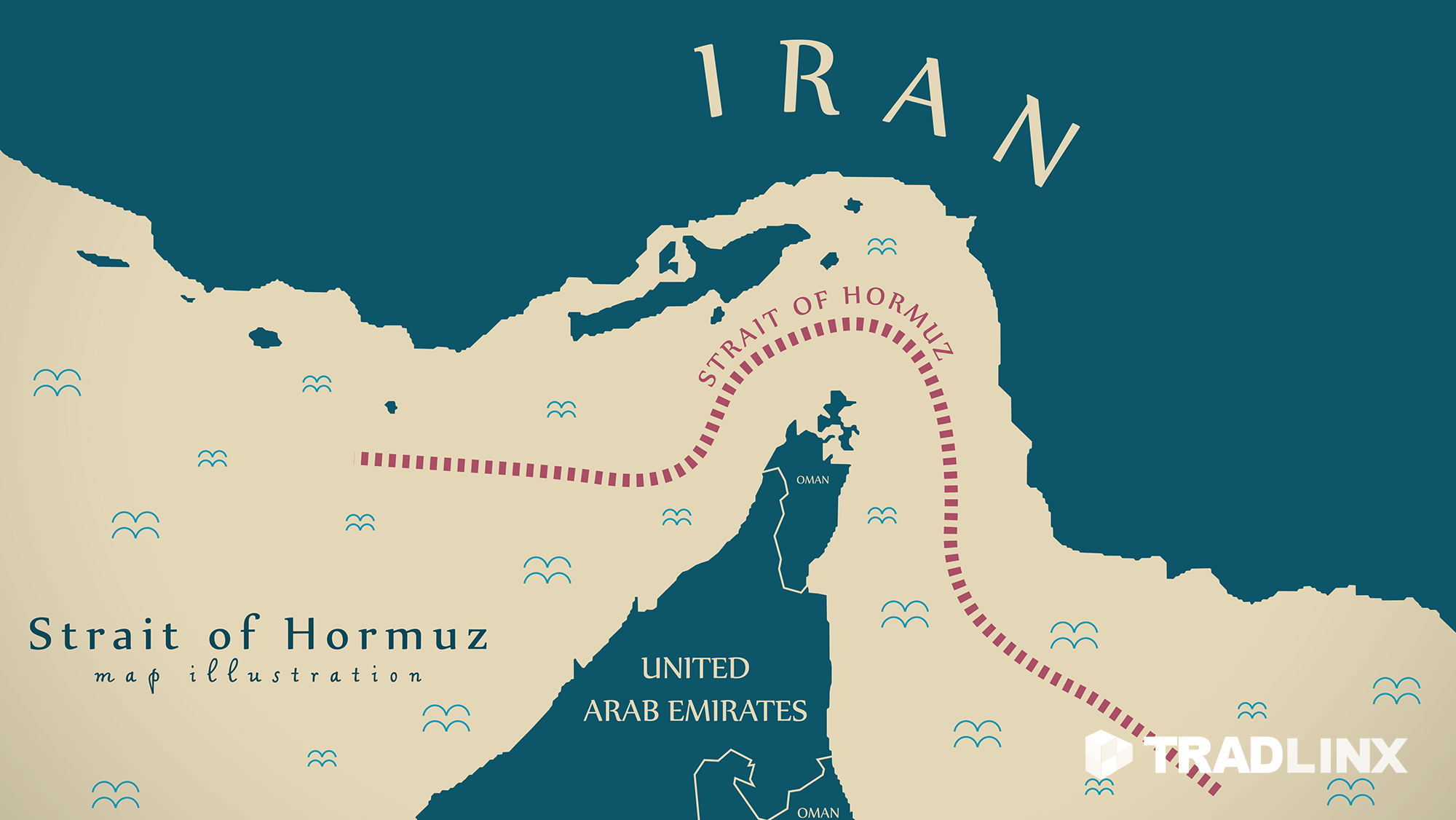
This isn’t a subtle shift; it’s a tectonic plates-style movement. Tehran is moving tens of billions of dollars in cargo away from the Persian Gulf’s maritime routes and onto the dusty highways of Balochistan. Why? Because the old way of doing business became a death trap. Between the US naval blockade in the Strait of Hormuz and a total collapse in diplomatic relations with Abu Dhabi, Iran had to find a backdoor. Pakistan just opened the door wide. Building on this idea, you can also read: The Hidden Calculus Behind the Japan and Vietnam Energy Alliance.
The Death of the Dubai Connection
Let's be real: the UAE used to be Iran’s primary gateway to the world. We’re talking about a re-export machine that handled roughly $22 billion in Iranian-linked goods annually. But as of March 2026, the party's over. After a series of military escalations and the closure of the UAE embassy in Tehran, the "cautious de-escalation" policy is dead.
When the UAE started freezing Iranian exchange house accounts and detaining operators, they didn't just hurt Iranian business—they severed a lifeline. Iran’s response wasn't a protest; it was a pivot. They realized that relying on a maritime hub that can be choked off by a US carrier strike group or an Emirati policy shift is a losing game. Analysts at BBC News have provided expertise on this situation.
Pakistan’s Transit Corridor is the New Backdoor
Enter the "Transit of Goods Order 2026." Islamabad didn't just sign a piece of paper; they activated a lifeline. Pakistan has officially designated six overland routes that connect their major ports—Karachi, Port Qasim, and Gwadar—directly to the Iranian border.
If you're an importer in Tehran, the math is suddenly very attractive.
- The Gwadar-Gabd Corridor: This is the crown jewel. You can move goods from a deep-sea port to the Iranian border in about two to three hours. Compare that to the 18-hour slog from Karachi.
- Cost Savings: We’re looking at a 45% to 55% reduction in transport costs compared to traditional maritime routes.
- Sanction Survival: Land routes are notoriously harder to monitor and block than giant container ships sitting in a harbor.
By moving goods through Taftan and Mirjaveh, Iran is effectively bypassing the Strait of Hormuz. They’re trading the vulnerability of the sea for the sovereignty of Pakistani asphalt.
Why Islamabad is Playing Ball
You might wonder why Pakistan is risking the wrath of Washington to help Tehran. It’s not out of the goodness of their hearts. Pakistan is desperate to transform itself into a regional "zipper"—a hub that connects Central Asia, China, and the Middle East.
- Revenue: Transit fees on billions of dollars of cargo are a massive boost for a struggling economy.
- Central Asian Access: This corridor works both ways. Pakistan just sent its first major export shipment of frozen meat to Uzbekistan via Iran.
- Bypassing Kabul: Relations with the Taliban have soured to the point of border skirmishes. Pakistan needs a westward route that doesn't involve the headaches of the Afghan border.
Honestly, the "Transit of Goods Order" is a middle finger to the traditional maritime order. It signals that regional players are tired of having their economies held hostage by whoever controls the waves.
The Logistics of the New Route
It’s not all smooth sailing (or driving). The infrastructure in Balochistan is rugged. But the TIR (Transports Internationaux Routiers) system is now live at the Taftan and Rimdan crossings. This means trucks can move across borders with minimal customs interference, using a single international guarantee.
Key Border Points in Play:
- Taftan-Mirjaveh: The old reliable. It handles the bulk of the heavy lifting.
- Gabd-Rimdan: The new favorite for Gwadar-linked trade. It's the "fast-track" option.
This infrastructure is the backbone of what some are calling "Eurasian supply-chain resilience." While the US focuses on blockades, Iran and Pakistan are building bypasses.
What Happens to the UAE
The UAE is finding out that being a middleman is a dangerous game when the parties involved stop talking. By losing the Iranian re-export market, Emirati hubs face a multi-billion dollar hole. While they’re pivoting toward Israel and the West, they’re losing their grip on the "gray market" trade that made Dubai a global legend.
Don't expect Iran to go back. Even if the blockade in the Strait of Hormuz ends tomorrow, the trust is gone. Tehran has seen the efficiency of the Pakistani overland route. They’ve seen the cost savings. They’ve seen that they can feed their markets without asking for permission in the Gulf.
Your Move
If you're involved in regional logistics or trade finance, stop looking at the Persian Gulf as the only game in town. The action has moved to the Taftan border.
- Audit your routes: If you're still relying on Jebel Ali for Iran-adjacent trade, your risk profile just tripled.
- Watch the Gwadar development: It’s no longer just a Chinese "ghost port." It’s becoming the operational heart of Iranian transit.
- Monitor the TIR updates: Pakistan is streamlining customs at a record pace. Keep your paperwork ready for the new overland reality.
The map has changed. Don't be the last one holding a maritime chart in a world that’s moved to the highway.