Tehran Makes a Strategic Play for Indian Neutrality
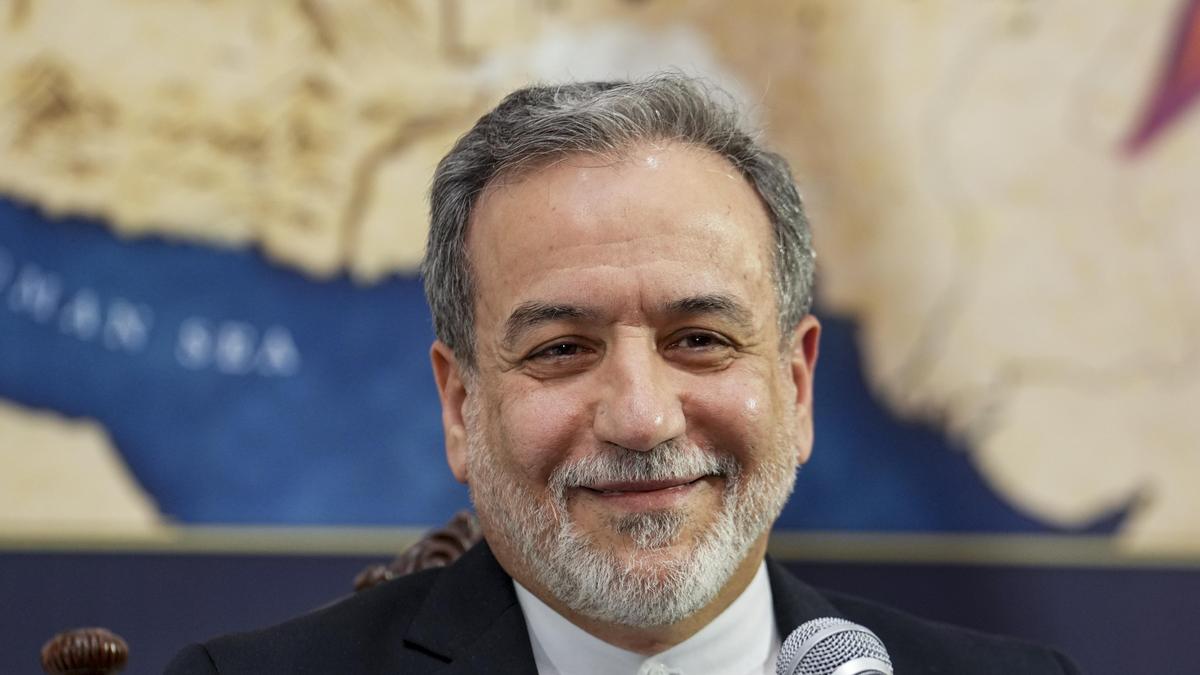
Iranian Foreign Minister Abbas Araghchi wants New Delhi to broker peace in West Asia. It is a calculated diplomatic overture, not an act of desperation. As regional tensions escalate, Tehran is actively seeking a heavyweight mediator that commands respect in both Western capitals and Middle Eastern corridors. India fits this description perfectly.
By inviting New Delhi to play a greater role, Iran is attempting to shift the diplomatic equilibrium. The Iranian leadership recognizes that Western-led mediation has reached a standstill. They see India—a nation with deep historical ties to Iran and a burgeoning strategic partnership with Israel—as one of the few global powers capable of delivering a message that all sides might actually sit down and listen to.
Behind this public call for peace lies a complex web of economic survival, maritime security, and shifting geopolitical alignments. Iran is not just asking for a mediator. It is testing the limits of India’s strategic autonomy.
The Double-Edged Sword of Strategic Autonomy
New Delhi has long prided itself on its ability to balance conflicting relationships. This policy is now facing its toughest test yet. India has managed to maintain strong diplomatic ties with Iran while simultaneously elevating its relationship with Israel to an unprecedented level of defense and technological cooperation.
This balancing act is becoming increasingly difficult to sustain.
       [ INDIA'S BALANCING ACT ]
              /        \
             /          \
   [ IRAN ]              [ ISRAEL ]
   - Chabahar Port       - Defense Tech
   - Energy Security     - I2U2 Alliance
   - Central Asia Access - Tech Cooperation
For Iran, India's relationship with Israel is an asset rather than a liability in a mediation context. Tehran understands that any nation trying to broker peace must have a direct line to Jerusalem. India has that line. Prime Minister Narendra Modi and Israeli Prime Minister Benjamin Netanyahu have developed a close working relationship over the last decade.
The view from New Delhi, however, is far more cautious. Indian policymakers are acutely aware of the risks involved in stepping into the West Asian cauldron. Becoming an active mediator means risking the anger of one or both sides if negotiations falter. Historically, India has preferred to operate behind the scenes, protecting its immediate economic interests rather than projecting itself as a global peacemaker in highly volatile conflicts.
The Chabahar Factor and the Race for Central Asia
Economic self-interest underpins every diplomatic statement issued between New Delhi and Tehran. At the center of this economic relationship is the Chabahar Port, located on Iran's southeastern coast.
[ India ] === (Sea Route) ===> [ Chabahar Port ] === (Land Route) ===> [ Central Asia / Russia ]
India has invested heavily in Chabahar. The port represents a vital bypass route to access Afghanistan and the resource-rich markets of Central Asia, completely skirting Pakistan. For Iran, Chabahar is a crucial economic lifeline. It serves as a major gateway that remains partially insulated from the full weight of Western sanctions.
The Transit Corridor Dilemma
- The Indian Investment: New Delhi signed a long-term agreement to manage the Shahid Beheshti terminal at Chabahar, committing millions to its development.
- The Sanction Shadow: Constant threats of secondary U.S. sanctions have slowed down private investment and equipment procurement for the port.
- The Competitor: Just a short distance away lies Pakistan’s Gwadar Port, developed with Chinese capital under the Belt and Road Initiative.
If West Asia descends into a wider regional war, the viability of the Chabahar project collapses. Shipping insurance rates would skyrocket. Maritime routes through the Strait of Hormuz could face closures or heavy disruptions. Iran’s appeal for Indian diplomatic intervention is partly a plea to protect this shared economic artery. Tehran is reminding New Delhi that an unstable Iran means a dead-end for India’s ambitions in Central Asia.
Shipping Lanes and the Ghost in the Red Sea
Maritime security has rapidly transformed from a secondary policy point into a critical national security issue for India. The spike in drone and missile attacks on commercial shipping in the Red Sea and Arabian Sea has hit Indian trade interests directly.
Many of these attacks have been carried out by the Houthi movement in Yemen, an organization that receives significant financial and military backing from Tehran.
Indian exports to Europe and the U.S. East Coast have been forced to take the long route around the Cape of Good Hope. This detour adds weeks to transit times and millions of dollars in freight costs. Indian naval vessels have already been deployed to the Arabian Sea to escort merchant ships and conduct anti-piracy operations.
[ Standard Route ] : India -> Arabian Sea -> Red Sea -> Suez Canal -> Europe (High Risk)
[ Detour Route ]   : India -> Indian Ocean -> Cape of Good Hope -> Europe (+10-14 Days)
When Minister Araghchi suggests India play a larger role, New Delhi’s immediate counter-question revolves around these very shipping lanes. Indian officials want assurances that its commercial vessels will not become collateral damage in Iran’s shadow wars. Tehran, conversely, is using its influence over these maritime chokepoints as leverage. They are signaling that India's economic security is tied to how effectively it can help de-escalate the broader regional crisis.
The American Shadow Over New Delhi's Choices
Every diplomatic move India makes regarding Iran is scrutinized in Washington. The United States remains India’s most critical strategic partner in counterbalancing Chinese influence in the Indo-Pacific region. This reality severely limits how far New Delhi can go to accommodate Tehran's requests.
The U.S. stance on Iran remains rigid. Washington continues to apply a policy of maximum economic pressure on Tehran. While the U.S. has occasionally granted India specific waivers for the Chabahar Port project due to its role in stabilizing Afghanistan, that patience is not infinite.
Navigating Washington's Red Lines
India’s participation in the I2U2 Group—which brings together India, Israel, the United Arab Emirates, and the United States—demonstrates New Delhi’s deep integration into the emerging security architecture of the Middle East. This alliance is explicitly designed to counter Iranian influence and build a stable, pro-Western economic corridor.
| Feature | I2U2 Alliance Focus | Iran-India Cooperation Focus |
|---|---|---|
| Primary Goal | Regional integration and tech joint ventures | Central Asian market access |
| Key Partners | India, Israel, UAE, United States | India, Iran |
| Geographic Pivot | Red Sea, Mediterranean, Arabian Sea | Chabahar Port, Caspian Sea routes |
| U.S. Stance | Strongly supported and funded | Monitored under sanction regimes |
For India to step forward as a mediator at Iran's behest would require a massive expenditure of diplomatic capital in Washington. The Biden administration, or any future U.S. government, would view an Indian peace initiative with deep skepticism if it appeared to grant Tehran diplomatic breathing room without extracting major concessions on its nuclear program or regional proxy networks.
Energy Realities and the Lost Crude Trade
There was a time when Iran was India’s second-largest supplier of crude oil. The barrels flowed consistently, often secured through favorable credit terms and rupee-denominated payment mechanisms that protected India's foreign exchange reserves.
That trade relationship was halted in 2019. India stopped purchasing Iranian crude entirely to comply with reinstated U.S. sanctions, turning instead to alternative suppliers in the Gulf and, more recently, discounted Russian oil.
[ Pre-2019 ] : Iran is Top 3 Oil Supplier to India -> Heavy reliance on sweet Iranian crude
[ Post-2019 ] : Indian Imports Drop to Zero -> Replaced by Saudi, UAE, and Russian supplies
Tehran has never fully reconciled with this decision. Iranian diplomats frequently bring up the energy issue during bilateral meetings, hinting that a relaxation of regional tensions could pave the way for a resumption of the oil trade.
New Delhi would love to diversify its energy basket. The reliance on a narrow set of suppliers leaves the Indian economy vulnerable to sudden price shocks. However, Indian refiners are largely privately owned or publicly traded entities that cannot risk being cut off from the global financial system for processing sanctioned Iranian crude. Until the fundamental conflict between Washington and Tehran is resolved, India's energy policy toward Iran will remain frozen, regardless of how many peace invitations are extended.
The Reality of the "Greater Role"
Iran’s invitation for India to step into a peacekeeping or mediatory role is a brilliant piece of diplomatic theater, but it ignores the cold realities of Indian foreign policy. New Delhi does not seek the role of a global policeman or a grand mediator in conflicts where it does not have direct, uncontested leverage.
India’s foreign policy is driven by strategic realism. It will protect its investments in Chabahar. It will deploy its navy to secure its merchant ships in the Arabian Sea. It will continue to vote for dialogue at the United Nations. But it will not put its relationships with Israel or the United States on the line to pull Tehran's chestnuts out of the fire.
The Iranian leadership is looking for a shield against Western pressure. India is looking for a stable trade route to Central Asia. These two objectives run parallel for a few miles, but they do not merge. New Delhi knows that in the current West Asian environment, the closer you get to the fire, the higher the chance you get burned.