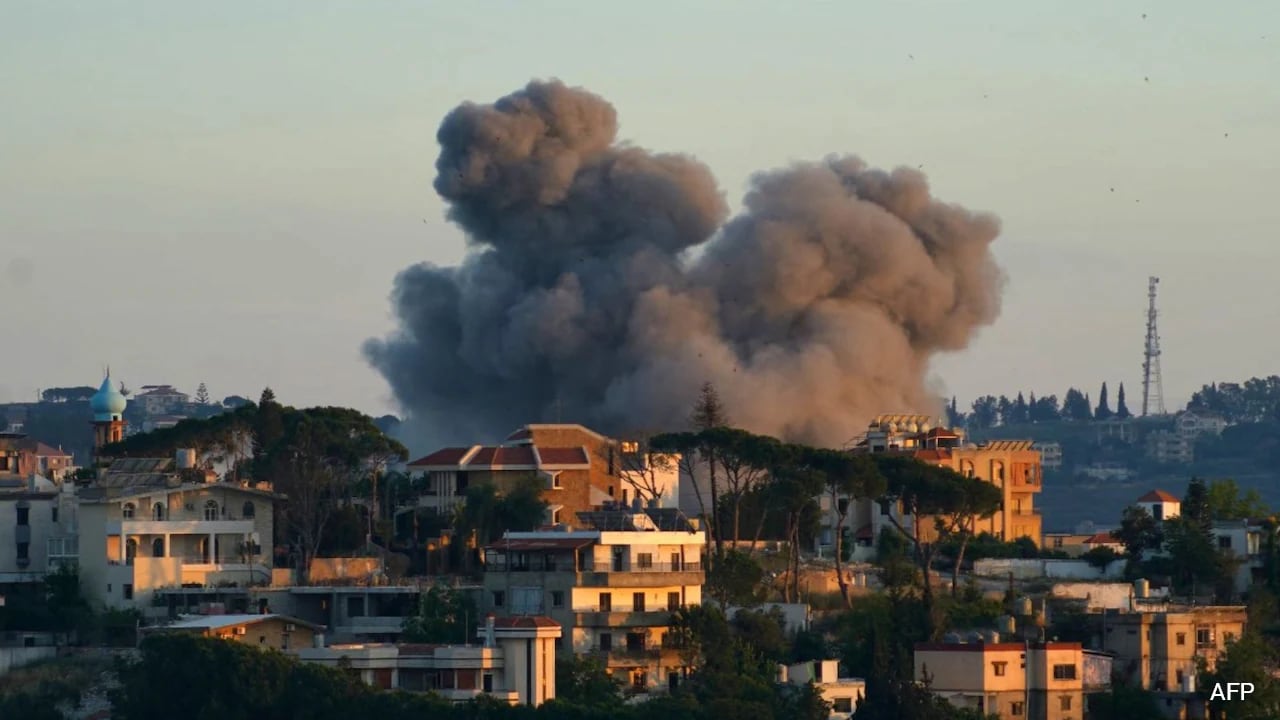
The mainstream media is falling for the same tired theater. Following Israel's military strikes in Lebanon, Tehran enters stage left, beats its chest, and declares there is "no point" in pursuing peace talks with the United States. Cable news anchors gasp. Foreign policy pundits fire up their predictable panic machines. The consensus forms within minutes: the Middle East is on the brink of total diplomatic collapse, and the dream of regional stability is dead.
What absolute nonsense. For a more detailed analysis into this area, we suggest: this related article.
The idea that Iran is walking away from the negotiating table out of righteous indignation is a lazy, surface-level reading of geopolitical leverage. They aren't walking away. They are raising the buy-in.
In international relations, the loudest declaration of a walkout is almost always a desperate demand for a better deal. Iran’s public outrage isn't a pivot toward total war; it is a calculated, high-stakes negotiation tactic designed to exploit Western anxiety. If you understand how backchannel diplomacy actually functions, you know that the "no point in talks" rhetoric is exactly when the real talking begins. For further information on the matter, detailed reporting is available on The Washington Post.
The Myth of the Principled Walkout
Let's dismantle the primary assumption driving the current news cycle: the belief that state actors act on pure emotion or wounded pride.
When a government says negotiations are dead, the untrained observer sees a closed door. The seasoned strategist sees a price tag. Iran’s economy is buckling under the weight of crippling sanctions, domestic unrest, and systemic mismanagement. The regime does not have the financial or structural luxury to permanently abandon sanctions relief.
Geopolitical posturing is a market. When supply (the willingness to talk) appears low, the perceived value of the interaction goes up.
By declaring peace talks useless after the Lebanon strikes, Iran is executing a classic anchoring strategy. They are establishing a baseline of extreme reluctance to force the United States and its allies to offer greater concessions just to bring them back to the table.
I have watched corporate boards use this exact playbook during hostile takeovers and distressed asset acquisitions. When a counterparty screams that the deal is dead and walks out of the room, they aren't going to the airport. They are going to the hallway to watch the clock and see how long it takes for you to run after them with a sweeter offer.
The Proxy Paradox: Why Lebanon Changes Nothing for Tehran
The core argument of the competitor press is that Israel’s actions in Lebanon have fundamentally altered Iran’s strategic calculus. This completely misunderstands the nature of proxy warfare.
Iran utilizes network architecture to project power through groups like Hezbollah. This arrangement exists precisely to provide Tehran with strategic depth and plausible deniability, protecting the Iranian mainland from direct conventional conflict.
To believe that a strike on a proxy permanently shatters Iran's willingness to engage in diplomacy is to misunderstand why proxies are created in the first place. Proxies are designed to absorb blows so the state doesn't have to.
Consider the mechanics of the regional balance of power:
- The Shock Absorber: Hezbollah acts as a deterrent, but also as a political buffer.
- The Financial Reality: Weapons systems and proxy logistics require capital. Capital requires sanctions relief. Sanctions relief requires talks with Washington.
- The Survival Instinct: The Iranian regime's primary objective is self-preservation, not regional martyrdom.
When Israel strikes Lebanon, it hurts Iran's operational capability, absolutely. But it increases their need for economic breathing room. They cannot afford a prolonged, multi-front war of attrition without financial stabilization. Therefore, the strategic imperative for talks remains unchanged, even as the public rhetoric shifts to aggressive condemnation.
Dismantling the Flawed Premises of Foreign Policy Punditry
If you look at the standard analysis floating around traditional media outlets, it usually relies on two deeply flawed questions. Let’s address them directly and strip away the naive assumptions.
"Can peace talks survive when regional violence escalates?"
This question assumes that peace talks only happen during times of peace. The exact opposite is true. History shows us that the most significant diplomatic breakthroughs happen precisely when the violence reaches an unsustainable fever pitch. The 1973 Yom Kippur War directly paved the way for the Camp David Accords. The Dayton Accords were signed while Bosnia was fractured. Diplomacy is not a reward for good behavior; it is a tool used when raw force reaches a stalemate.
"Will Iran's hardliners permanently block engagement with the West?"
This line of thinking treats the Iranian political establishment as a monolith driven purely by ideology. It ignores the pragmatism that governs survival. Hardliners use anti-Western rhetoric to maintain domestic legitimacy, but they have repeatedly signed off on backchannel negotiations when the fiscal cliff approaches. The regime’s survival apparatus knows exactly where the red lines are. They will rage publicly to satisfy their domestic base while quietly greenlighting Swiss-embassy messages to Washington.
The Hidden Cost of the Western Panic
There is a dark side to the way the West responds to this theater. Every time a major news outlet runs a headline screaming that Iran has abandoned diplomacy, it creates political pressure on Western leaders to make desperate counter-offers.
This is the real danger of falling for the bluff. When Washington reacts to Tehran’s public tantrums by signaling a willingness to make preemptive concessions, it rewards the theater. It proves to the Iranian negotiation team that their strategy of manufactured outrage works.
Imagine a scenario where a corporate buyer panics because a supplier threatens to break a contract over a supply chain disruption. If the buyer immediately offers to pay 20% more just to keep the supplier at the table, the buyer loses all leverage for the remainder of the relationship. That is exactly what happens when Western diplomacy reacts to public declarations instead of structural realities.
The Reality of the Backchannel
While the front pages report on the death of diplomacy, the actual machinery of international relations is moving in the shadows.
True diplomacy doesn't happen in grand summits with flags and handshakes. It happens in nondescript hotel suites in Muscat, Doha, or Geneva. It happens via intelligence chiefs who don’t do press conferences.
Right now, as the public statements claim negotiations are impossible, the intelligence channels remain open. The logistical details of de-escalation are being traded through intermediaries. The red lines are being drawn, redefined, and communicated with cold, clinical precision.
The public theater is for domestic consumption and media manipulation. The private channel is where the actual statecraft occurs.
Stop reading the public statements of aggrieved nations as if they are binding legal text. They are opening bids in a brutal, cynical game of poker. Iran hasn't left the table. They are just leaning back, crossing their arms, and waiting for the West to blink.
Don't blink.