Every morning, Leo reaches for his plastic blue cup. He is four years old, obsessed with dump trucks, and utterly convinced that ice cubes are little magic rocks that melt when you aren't looking. His mother fills the cup from the tap, hands it to him, and watches him gulp it down. It is the most mundane, loving ritual in the world.
A mother giving her child water.
She doesn't know that inside that crisp, clear liquid lies a structural bond so powerful that natural processes cannot break it. Chemistry calls them per- and polyfluoroalkyl substances. The public knows them as PFAS. Parents don't think about them at all—until their child starts waking up in the middle of the night, clutching their stomach, crying from an internal fire that medical scans struggle to explain.
PFAS are called "forever chemicals" for a reason. Their carbon-fluorine bonds are among the strongest in organic chemistry. They do not degrade in the sun. They do not rot in the soil. They do not dissolve naturally over time. They accumulate. And when a toddler drinks that water, the chemicals settle into their developing organs, altering the delicate ecosystem of the gut long before the child ever learns how to spell the word "toxic."
[Image of hydrogen fuel cell]
The Fire in the Gut
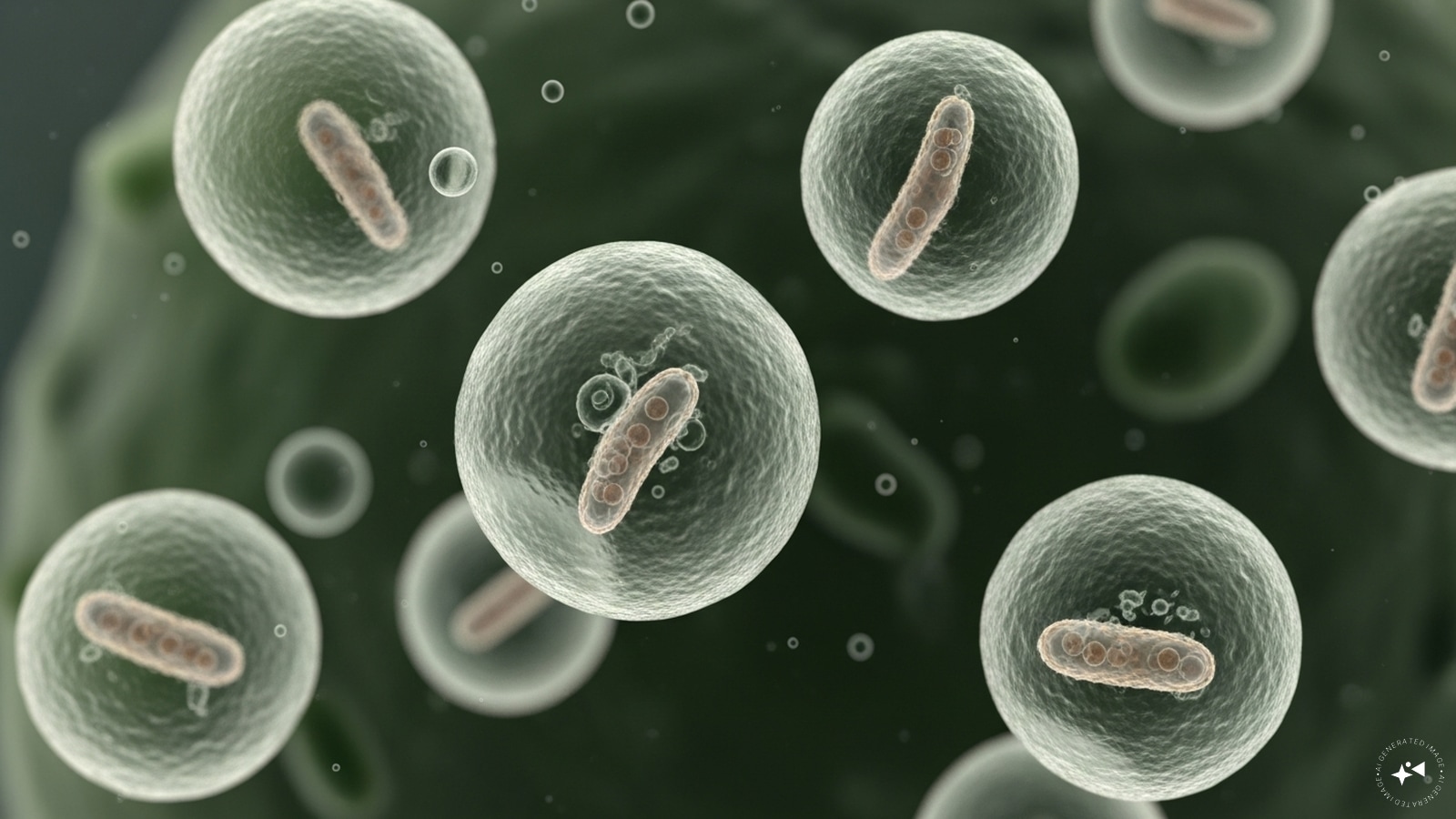
To understand what is happening inside a young body exposed to these synthetic compounds, you have to look at the human microbiome not as a biological system, but as a living forest.
Trillions of microscopic organisms reside in the intestines. They act as air traffic control for the immune system, sorting good nutrients from dangerous pathogens, training body tissues how to respond to threats, and maintaining the mucosal lining that keeps digestive acids where they belong. In a healthy child, this microbial forest is dense, diverse, and resilient.
When forever chemicals enter that environment during early development, the impact is akin to dropping a slow, silent poison into the soil of that forest.
Recent pediatric research shows a stark, troubling correlation: children exposed to higher levels of PFAS during infancy and early childhood show a significant increase in markers for gut inflammation. The chemicals do not merely sit passively in tissue. They alter lipid metabolism. They disrupt the chemical signals that gut bacteria use to communicate with the intestinal wall.
The forest begins to thin out. Beneficial bacteria die off. The lining of the gut becomes permeable, inflamed, and raw.
Imagine wearing a wool sweater over a sunburn. That is what raw intestinal tissue feels like every time food passes through it. For a young child, that physiological stress manifests as chronic pain, erratic bowel movements, inexplicable fatigue, and inflammatory conditions that can follow them well into adulthood.
How a Miracle Material Became a Silent Threat
We did not arrive at this crisis by accident. We built it out of convenience.
In the mid-twentieth century, industrial chemistry achieved what seemed like a miracle: surfaces that resisted everything. Water slid right off them. Grease could not stick. Heat barely registered. PFAS made non-stick frying pans possible. They gave us stain-resistant carpets, waterproof jackets, fire-fighting foams, and food packaging that kept grease from soaking through paper bags.
It was a triumph of human ingenuity.
Except no one asked where those indestructible molecules would go when the pans scratched, when the carpets were washed, or when the foam soaked into the soil near airports and manufacturing plants.
The molecules went down the drain. They seeped into local aquifers. They traveled through municipal water pipes. Because wastewater treatment plants were designed to filter out organic waste and bacteria—not indestructible synthetic carbon-fluorine chains—the chemicals passed through clean systems entirely untouched.
Now, decades later, testing reveals that these compounds exist in the blood of nearly every person on the planet. But the timing of exposure changes everything.
Adults have fully formed blood-brain barriers, mature immune systems, and stable microbial populations. A child’s body, however, is a construction site. Everything is being built in real-time. When toxic compounds enter a construction site, they do not just sit in the corner; they get built directly into the foundation.
Consider what happens next: the gut immune system, confused by the constant presence of inflammatory chemicals and a disrupted microbiome, begins to overreact. It treats ordinary food proteins as invaders. It attacks its own lining. The flame of chronic inflammation is lit, and once ignited in early childhood, extinguishing it becomes an uphill battle that lasts decades.
Navigating the Uncertainty
Parents often feel an overwhelming wave of guilt when they learn about these environmental hazards. They look at the non-stick skillet in their cabinet, the water pitcher on their counter, or the stain-resistant rug in the playroom, and they feel a deep, burning regret.
That guilt is misplaced.
No individual parent created an industrial supply chain that prioritized convenience over long-term biological testing. No family asked for synthetic compounds to be washed into public watersheds.
The science surrounding environmental toxicology can feel vast, cold, and utterly disempowering. When researchers publish papers detailing statistical risks and hazard ratios, it is easy to feel defeated. But understanding the mechanism of exposure is the first step toward reclaiming control over the immediate environment.
Water filtration is no longer a luxury gadget; it is a fundamental defensive tool for the home. Standard carbon block filters offer some reduction, but advanced systems—such as reverse osmosis and specialized ion-exchange resins—are capable of stripping these resilient molecules out of drinking water before it ever touches a child's glass.
Swapping out scratched non-stick cookware for cast iron or stainless steel removes another direct vector of daily contact. Reducing the use of grease-resistant paper food packaging cuts down on immediate dietary transfers.
These small, tactical shifts do not instantly erase decades of industrial accumulation in the broader environment, but they dramatically reduce the total chemical load entering a growing body every single day. They give the internal forest a chance to breathe, adapt, and repair itself.
The Cost of Waiting
The story of forever chemicals is not merely a story about water quality or chemical regulations. It is a story about the hidden stakes of modern life, played out in the quietest corners of our homes.
It is found in the middle-of-the-night trips to the bathroom, the frustrated visits to pediatricians who cannot find an obvious infection, and the subtle, lingering discomfort of a child who thinks that having an aching stomach is just what living feels like.
We built a world of incredible convenience, but we paid for it with invisible currency. Reclaiming the health of the next generation requires looking past the clear, simple surface of the water glass and acknowledging what lies beneath it.
Leo finishes his water, sets his blue plastic cup on the counter, and runs back to his dump trucks. His body goes to work, filtering, growing, and building the future out of whatever materials he has been given.