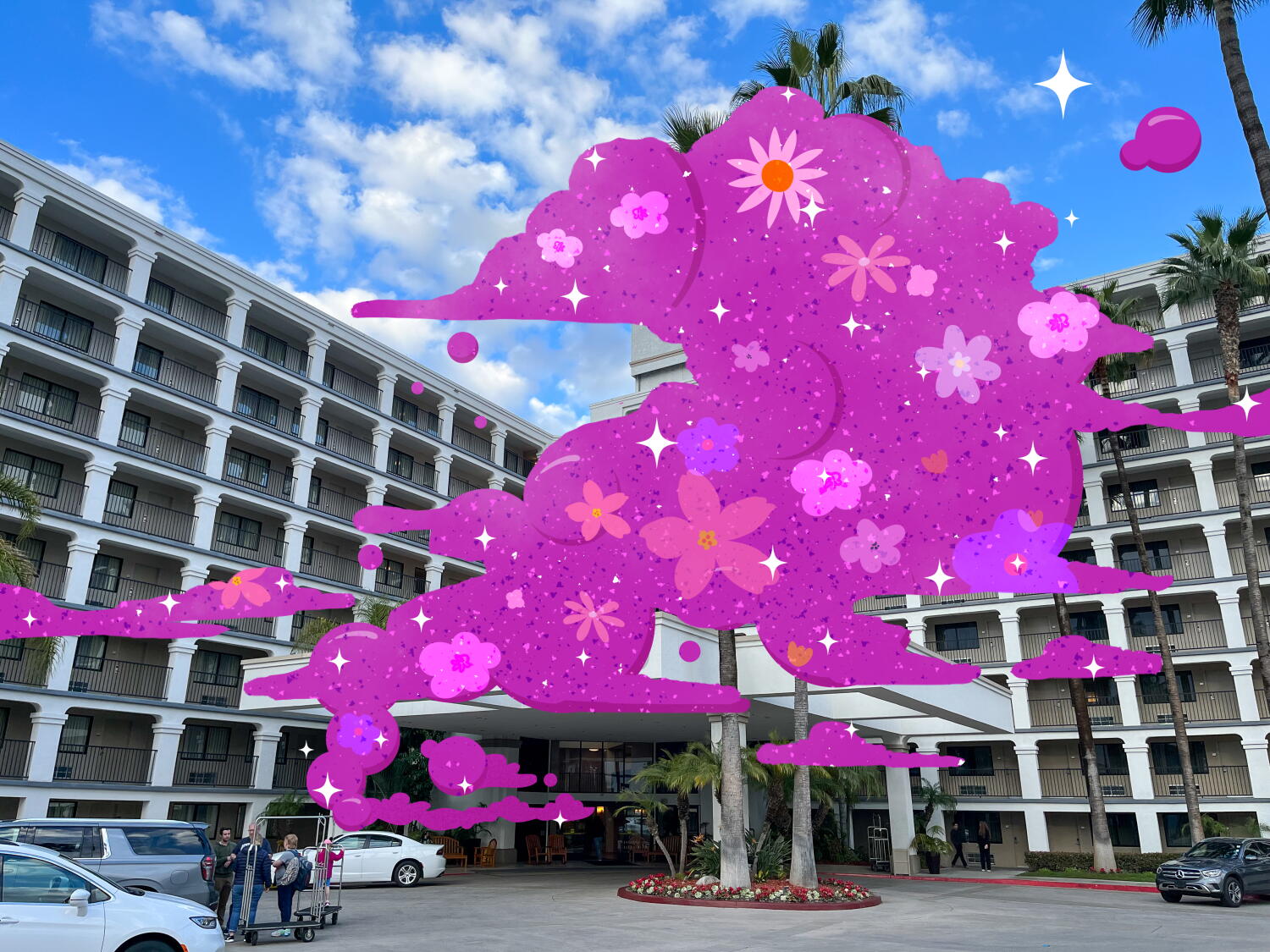
You step out of the blinding afternoon glare, dragging your suitcase across the polished marble floor of a five-star hotel. The air conditioning hits you first, a welcome wave of arctic relief. But a fraction of a second later, something else arrives. It wraps around your senses before you even reach the front desk.
White tea and fig. Or perhaps fresh linen and crushed bamboo. It is clean, expensive, and entirely engineered.
You smile, breathing it in. It feels like luxury. It feels like a vacation.
What you do not know is that three minutes ago, your respiratory system began an immediate, silent defense protocol. Your nasal mucosa detected micro-droplets of synthetic compounds suspended in the air. Your mast cells began to stir. For most people, the scent is merely a pleasant background hum to check-in. For others—those carrying the invisible burden of asthma, severe chemical sensitivities, or chronic migraines—this manufactured atmosphere is the opening chord of an oncoming physical crisis.
And now, a growing legal and ethical battle is asking a radical question: Should hotels be sued for pumping these fragrances into their spaces without your consent?
The Architecture of Illusion
Hotels have long understood a fundamental truth about human psychology: we remember places through our noses long before our eyes. Smell bypasses the logical processing centers of the brain and plugs directly into the limbic system, the ancient seat of memory and emotion.
Decades ago, this sensory marketing relied on the simple mechanics of fresh flowers at the concierge desk or the smell of baking cookies drifting from the pastry kitchen. But the modern hospitality industry has traded organic warmth for high-tech atomization.
Enter the ambient scenting machine. Tucked discreetly inside the HVAC ductwork, these devices use nebulizers to convert liquid fragrance oils into a dry, microscopic vapor. This vapor does not just settle; it hangs suspended in the air for hours, coating carpets, upholstery, and the lining of every lung that walks through the doors.
Branding executives call this "olfactory branding." It is designed to foster a subconscious loyalty to a corporate identity. If Westin smells like white tea, your brain links that specific floral note with comfort, rest, and high-end travel.
Consider a hypothetical traveler named Elena. Elena is a thirty-four-year-old graphic designer who has lived with severe asthma since childhood. She books a boutique hotel, paying top dollar for a weekend getaway to decompress from a brutal work quarter. She steps into the lobby, and within sixty seconds, her chest tightens. Her throat begins to itch. By the time she reaches her room, she is reaching for her rescue inhaler. Her vacation is compromised before she has even unpacked her bags.
Elena did not sign up for an involuntary chemical exposure. She booked a room to sleep, not to wade through a chemical fog designed to manipulate her purchasing habits.
The Hidden Chemistry of the Air
To understand why this practice is drawing the scrutiny of personal injury lawyers and public health advocates, we have to look past the marketing language and examine the chemistry.
The word "fragrance" is a legal loophole. Thanks to trade secret laws, manufacturers are rarely required to list the individual chemical components on a label or a safety data sheet. A single signature hotel scent can be a proprietary cocktail containing dozens—sometimes hundreds—of synthetic petrochemicals, phthalates, and volatile organic compounds (VOCs).
Phthalates are particularly notorious. Used as solvents to help scents linger longer in the air, many phthalates are known endocrine disruptors. When atomized into a closed, air-conditioned lobby and inhaled continuously by guests and front-desk employees alike, these compounds enter the bloodstream directly through the lungs.
For the average guest spending ten minutes checking in, the exposure is negligible. But consider the hospitality worker. The concierge standing behind the desk for an eight-hour shift, breathing in concentrated atomized oils day after day, week after week. Studies on occupational exposure to ambient scenting in retail and hospitality environments have begun to raise red flags regarding chronic headaches, dizziness, contact dermatitis, and aggravated respiratory conditions among staff.
When a company introduces an unlisted, unregulated chemical agent into a shared indoor environment where people cannot opt out without abandoning their lodging, the legal calculus begins to shift. Is this simply aggressive marketing, or is it a form of chemical trespass?
The Legal Frontier of Sensory Intrusion
Tort law has traditionally grappled with visible harms: a wet floor without a caution sign, a broken stairwell, a foodborne illness traced back to a hotel restaurant. These are tangible, physical breaches of a property owner's duty of care.
Ambient scenting occupies a murky, uncharted grey area.
Legal scholars are beginning to test the boundaries of premises liability and negligence regarding indoor air quality. To win a personal injury lawsuit over lobby fragrances, a plaintiff must clear several high hurdles. They must prove causation—that the hotel’s specific synthetic scent directly triggered an asthma attack, migraine, or allergic reaction. They must demonstrate that the hotel breached its duty of care by introducing a known irritant into a public space. And they must show quantifiable damages, such as medical bills or ruined travel arrangements.
Hotels, for their part, defend the practice vigorously. They argue that their scent diffusers comply with indoor air quality guidelines, that the oils used are safe and non-toxic, and that ambient scenting is standard industry practice intended to enhance the guest experience. They point out that millions of people visit scented hotels every day without incident.
Yet, public awareness is shifting. We live in an era where consumers demand radical transparency in what they eat, what they put on their skin, and what cleaning products touch their countertops. Why should the air we breathe in a public lobby be exempt from that standard?
When someone with a severe fragrance allergy walks into a scented environment, their reaction is not a preference; it is a physiological rejection. Forcing guests to choose between checking into their paid accommodation and protecting their respiratory health is an untenable position for an industry built on hospitality.
The Cost of Manufactured Atmosphere
The irony of modern luxury hospitality is that in its quest to engineer perfection, it often strips away authenticity.
Real places smell like real things. An old grand hotel near the ocean should smell faintly of salt air and aged mahogany. A mountain lodge should smell of cedar, wool, and cold stone. When every luxury hotel chain homogenizes its atmosphere into the exact same synthetic white tea or amber musk, we lose a piece of the geographic soul of travel. We trade the genuine sensory texture of the world for a sterile, corporate simulation.
Worse, we do it at the direct expense of our most vulnerable travelers.
The legal battles brewing over hotel lobby fragrances are unlikely to vanish anytime soon. As scientific understanding of VOC sensitivity deepens and public health advocates push for stricter indoor air quality standards, hotels will be forced to reckon with the hidden cost of their signature scents.
The next time you walk across a gleaming hotel lobby and feel that sudden wave of perfectly curated fragrance, pause for a moment. Inhale carefully. Enjoy the illusion if your lungs allow it. But recognize it for what it is: a choice made by a corporation to prioritize your subconscious brand loyalty over the chemical integrity of the air you share.
True hospitality does not require a smokescreen. Sometimes, the most luxurious thing a hotel can offer is simply clean, unadulterated air.