The manholes do not look like diagnostic tools. They sit flush with the asphalt on residential streets, flanked by cracked winter slush and the salt-whitened rims of curb-side snowbanks, utterly ordinary. To the pedestrian rushing by with a coffee cup growing cold against leather gloves, they are merely iron lids over dark water.
Yet, downstream, a laboratory bench hums.
In a quiet room illuminated by the sterile glow of monitors and liquid chromatography vials, scientists are pulling secrets from the city's dark tide. They do not need to knock on front doors or distribute surveys with low response rates. They simply collect the water. Every morning, long before the sun clears the horizon, the city’s plumbing tells a precise, unvarnished truth about what its residents consumed twelve hours prior.
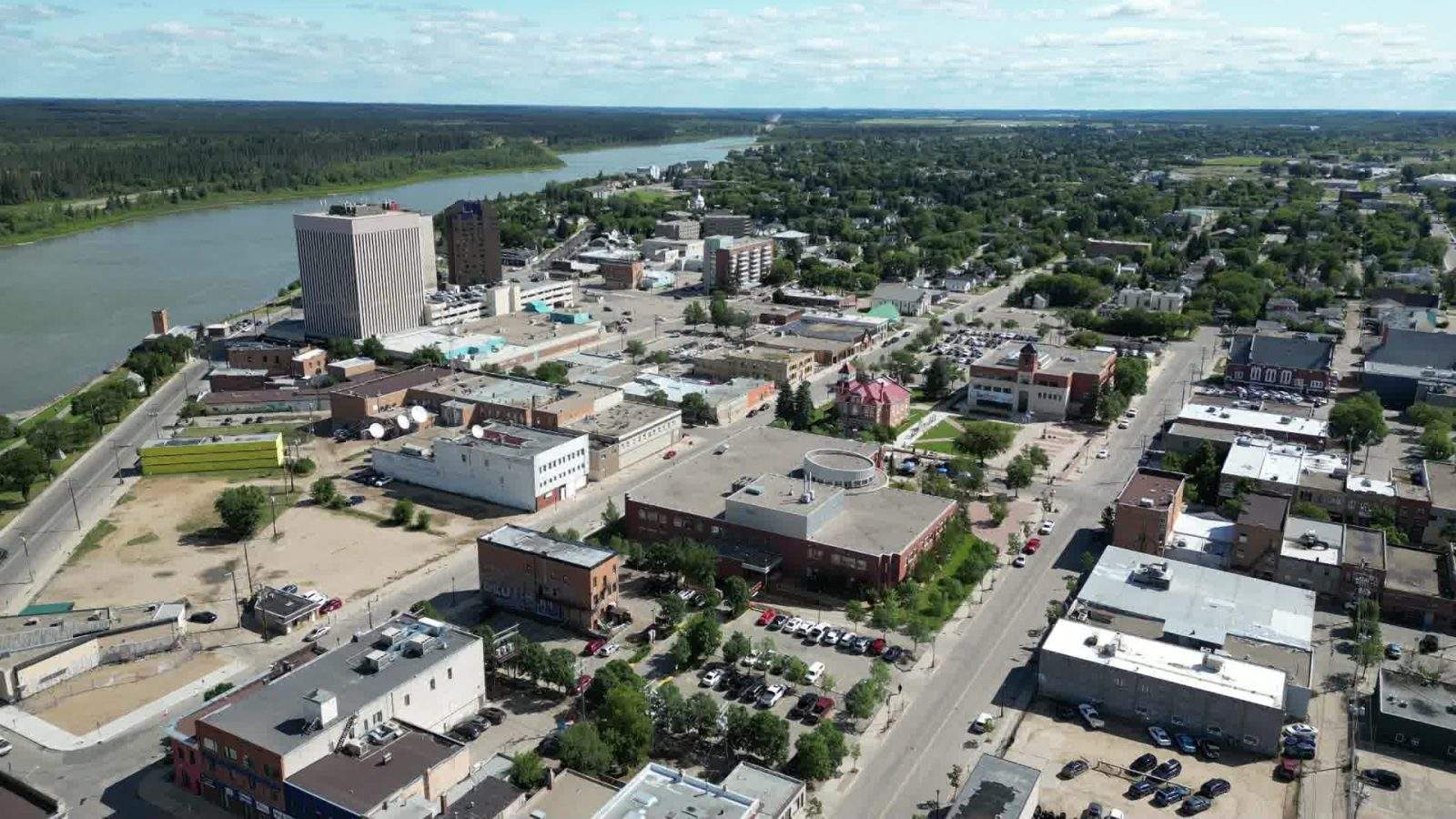
The numbers came back recently for one prairie municipality, and they carried the weight of an unacknowledged emergency. North Battleford, Saskatchewan, found itself at the literal top of a national ledger. Not for job creation, not for agricultural yield, but for the sheer concentration of methamphetamine and cocaine swirling through its municipal sewer shed.
Consider what that means. Wastewater analysis does not capture a single weekend binge or an isolated statistical outlier. It captures the metabolic waste of an entire community, filtered through thousands of individual bodies. When the analytical instruments measure milligrams per thousand people per day, the data strips away the euphemisms. It reveals a town carrying a chemical burden that outpaces major metropolitan centers across Canada.
How does a community reach that point?
To understand, you have to look past the bureaucratic language of public health reports and step into the living rooms where the silence is thick enough to touch.
Picture a kitchen at two in the morning. The house is dark, save for the blue flicker of a smartphone screen illuminating a face lined with exhaustion. A mother sits at the table, listening to the muffled pacing of her nineteen-year-old son in the bedroom down the hall. She knows the sound. It is the rhythmic, relentless stride of a nervous system flooded with synthetic stimulants. She has lived through the frantic phone calls, the vanished silverware, the sudden hollowed-out look in eyes that used to sparkle with the simple optimism of childhood.
She is not reading wastewater reports. She does not need a chart to tell her that the supply of cheap, potent crystal meth has flooded the local market like water finding a crack in a basement wall. She feels it in her bones every time she locks her front door twice.
The economic geography of the Canadian prairies makes them uniquely vulnerable to these invisible trade routes. Long stretches of remote highway, vast networks of rural grid roads, and an under-resourced policing landscape create an open corridor for transnational supply chains. When cartels and organized crime syndicates look for distribution hubs, they do not just target Toronto or Vancouver. They look for the economic pressure points—places where housing costs have squeezed families, where good-paying industrial jobs have contracted, and where mental health infrastructure is stretched so thin it is practically transparent.
Methamphetamine and cocaine are not merely recreational choices; they are chemical tourniquets applied to social wounds.
When a person loses their footing in an economy that demands relentless productivity while stripping away social safety nets, synthetic stimulants offer a terrifyingly efficient bargain. They erase fatigue. They numb grief. They substitute a hard, unyielding wire-brush energy for the heavy despair of burnout. For a few hours, the world is manageable.
Then the chemistry shifts.
The brain's reward circuitry, flooded with unnatural surges of dopamine, begins to fray. The tolerance climbs. The dose that once brought a high now merely brings a baseline ability to function without shivering in withdrawal. The user becomes a captive to a molecule, and the community becomes a captive to the trade.
Municipal wastewater tracking is the modern canary in the coal mine. For years, public health officials relied on arrest statistics and hospital emergency room admissions to gauge the health of a population. But those metrics are deeply flawed. They capture only the moments where the system forces an intervention—an overdose treated by paramedics, an arrest made by a weary detachment of the Royal Canadian Mounted Police. They miss the thousands of functional addicts who drag themselves to work every morning, masking their tremors behind professional smiles, feeding a habit that quietly drains their family savings.
The sewer doesn't lie. It doesn't care about social stigma, criminal records, or the desire of local politicians to paint a rosy picture for prospective investors. It collects the runoff of the secret lives people lead behind closed blinds.
When researchers from Statistics Canada and academic institutions mapped the wastewater data across the country, the revelation about Saskatchewan's municipal hub was not just an isolated oddity. It was a glaring symptom of a wider, systemic failure in rural and mid-sized Canadian health care.
Walk into a clinic in a mid-sized prairie city and ask for immediate addiction treatment. The doctor will likely look you in the eye with a profound, quiet sorrow and hand you a pamphlet with a six-month waiting list. Detox beds are scarce. Long-term residential rehabilitation requires traveling hundreds of kilometers away from family support networks, assuming a bed is even open. Harm reduction supplies—testing strips, safe consumption education—are often caught in ideological crossfires between municipal councils trying to protect downtown storefronts and public health advocates who know that dead people do not recover.
Meanwhile, the supply chain adapts with terrifying speed.
Unlike plant-based narcotics that require specific climates and vast acreage, synthetic drugs are engineered in clandestine laboratories using precursor chemicals that can be shipped in ordinary freight containers. They are cheaper to produce, easier to conceal, and vastly more potent than the substances of a generation ago. The crystal meth flowing through North Battleford’s pipes today is not the powder of the past; it is a neurochemical sledgehammer designed to hook the brain on the very first encounter.
The human cost of this chemical flood is written in the faces of the people who staff the emergency rooms. Nurses talk about the "rotation"—the same familiar faces cycling through the doors night after night, presenting with acute psychosis, cardiovascular collapse, and the profound, skeletal malnutrition that comes from months of skipping meals to feed an addiction. They patch them up, discharge them back into the cold night air, and watch them return a week later.
It is a treadmill of despair.
Yet, beneath the grim statistics lies a stubborn human resilience that refuses to be entirely washed away by the tide.
In community centers and church basements across the province, grass-roots recovery networks are organizing. They are led not by bureaucrats, but by people who survived the exact same descent into the chemical abyss. They sit in folding chairs under fluorescent lights, drinking lukewarm coffee from styrofoam cups, and offering the one thing that no wastewater sample can measure and no police raid can confiscate: radical, uncompromising presence.
They know that recovery is not a straight line. It is a series of stumbles, relapses, and agonizing re-starts. They understand that you cannot arrest your way out of a public health crisis any more than you can mop up a rising river with a paper towel.
The data from the municipal sewers is a warning siren. It tells us that our communities are absorbing a toxic shock, filtering it through the bodies of our neighbors, our children, our coworkers. It asks us to look past the neat rows of houses, the pleasant downtown murals, and the quiet dignity of prairie life to confront the quiet desperation festering in the shadows.
The water keeps flowing. Every flush tells the story of what we are enduring, what we are hiding, and what we are failing to heal. The only question left is whether we will keep turning our backs on the tide, or finally dive in to rescue the people drowning within it.