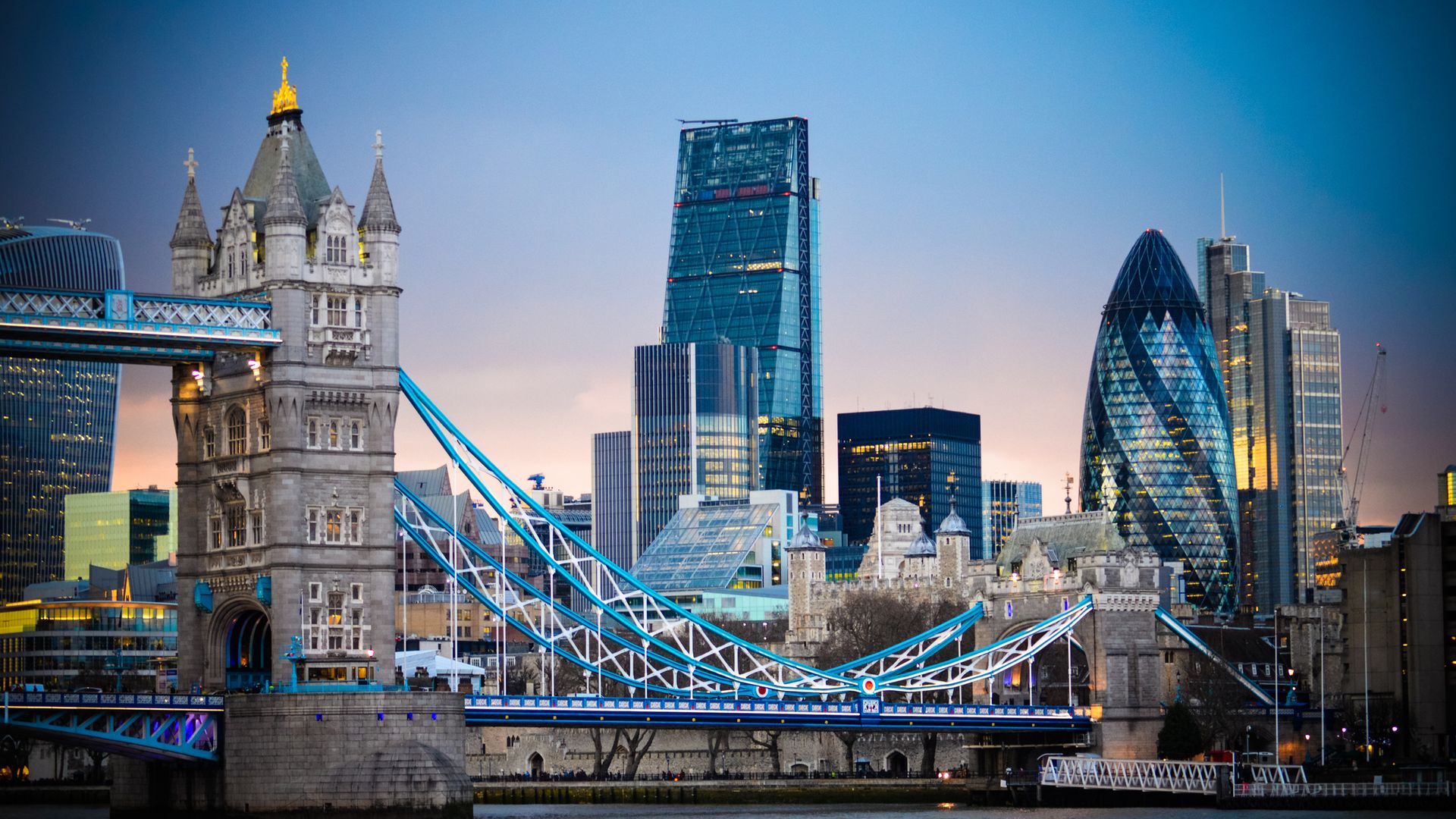
Walk down Silicon Docks in Dublin on a crisp Tuesday morning. The air smells of salt from the River Liffey and roasted coffee beans from the sleek cafes lining the waterfront. Glass towers rise like shards of mirrors reflecting the grey Irish sky. On the surface, it is a monument to modern economic triumph. Young professionals with lanyards swing past, speaking a dozen different languages, rushing toward offices owned by the biggest names in American tech and global finance.
For decades, this was the dream. Ireland, a nation once defined by emigration and economic hardship, transformed itself into the Celtic Tiger, and later, the European beating heart of the digital gold rush.
But step away from the glass facades. Talk to the people who live just three blocks over, where the old brick tenements still stand. Or better yet, talk to the civil servants who sit in quiet government offices up the road. There is a quiet, simmering anxiety here. It is the realization that when you invite giants into your home to pay the rent, you eventually stop being the master of the house.
Ireland has achieved a staggering level of prosperity, but it has done so by striking a Faustian bargain. The nation’s economy is now deeply, perhaps irreversibly, dependent on a handful of massive, non-European corporate behemoths. And that dependency is creating a web of quiet conflicts that threaten the very sovereignty of the state.
The Mirage of the Corporate Cash Cow
To understand how deep this goes, we have to look at the numbers, but more importantly, we have to look at what those numbers mean to a real human being.
Let us use a hypothetical character to make sense of this. We will call her Aoife. Aoife is a mid-level administrator in Ireland’s health service. Every day, she scrambles to allocate funding for hospitals that are bursting at the seams, trying to find money for new beds, better equipment, and nurses' salaries.
On paper, Aoife should have all the money she needs. Ireland frequently reports massive budget surpluses. Billions of euros flow into the state coffers. But when Aoife goes to planning meetings, the message is always the same: We must be cautious. We cannot spend this money on permanent infrastructure. It might disappear tomorrow.
Why? Because more than half of Ireland’s corporate tax revenue comes from a mere handful of foreign multinationals, mostly American tech and pharmaceutical giants.
If three or four of these boardrooms in California or New York decide to shift their intellectual property assets elsewhere, or if the US tax code changes drastically, Ireland’s economic floor drops out. The government is essentially running a country on money won at a casino. They are terrified to spend it on the things people actually need, because they know they are entirely dependent on the whims of executives who have never set foot in Munster or Connacht.
This creates a psychological paralysis. The country is rich, but its public services feel poor. The wealth is a ghost in the machine.
When the Guest Dictates the House Rules
The conflict is not just about money, though. It is about power, and who truly wields it when a corporate entity becomes larger than the state hosting it.
Consider the housing crisis gripping Dublin. Ask any young person trying to rent an apartment in the capital, and they will tell you a story of desperation. Bidding wars for tiny studio apartments. Hundreds of people lining up around the block just to view a flat.
Now, consider the pressure on the Irish government. To keep these mega-corporations happy, Ireland needs to ensure there is high-end housing for the thousands of international executives and engineers these companies fly in. Developers focus on luxury build-to-rent complexes catered specifically to tech budgets. Meanwhile, the average local schoolteacher or bus driver is priced out of their own city.
The state finds itself caught in an impossible squeeze. If they intervene aggressively in the housing market, cap rents, or tax corporate property investors heavily to protect their citizens, they risk angering the very companies that fund the national budget.
It is a silent, grinding conflict of interest. Who does a government serve when its citizens provide the votes, but a few foreign boardrooms provide the survival?
The Regulatory Tightrope
The tension breaks into the open when it comes to regulation. Under European Union law, Ireland is the primary regulator for many of these global tech giants because their European headquarters are registered in Dublin.
Imagine a small, local police force suddenly being told they are solely responsible for policing an international syndicate of billionaires. That is the position the Irish Data Protection Commission found itself in for years.
When European citizens raise concerns about privacy, data harvesting, or algorithmic manipulation, the responsibility to investigate and penalize these corporate empires falls largely on Ireland.
But this creates a structural nightmare. If Ireland regulates too harshly, if it levies fines that truly hurt, it risks alienating the golden geese. The regulatory body is funded by the Irish state, yet it is tasked with policing entities that hold the keys to Ireland's economic stability.
For years, other European nations have looked at Dublin with deep suspicion, whispering that the Irish authorities were dragging their feet, issuing slap-on-the-wrist fines, and acting more as a shield for foreign tech companies than an independent watchdog. Whether that assessment is entirely fair is up for debate, but the perception alone is damaging. Ireland is viewed by its neighbors not as a team player in the European project, but as a corporate haven that has sold its regulatory soul for a steady stream of tax revenue.
The vulnerability is palpable. You can hear it in the defensive tone of Irish politicians whenever the country’s tax structures are criticized in Brussels. They know they are walking a wire without a net.
The Ghost in the Boardroom
We often think of colonization and dependence in terms of armies and flags. History taught Ireland that lesson brutally over centuries. But modern dependence does not arrive with naval fleets; it arrives with corporate relocation packages, high-speed fiber-optic cables, and smiling PR executives.
The real tragedy is that this dependency erodes the collective imagination of a nation. When an entire economy is built around being attractive to someone else, you stop asking what you can build for yourself. You become a nation of hosts, facilitators, and middle managers.
The small homegrown Irish business faces a steep uphill battle. It cannot compete with the astronomical salaries offered by the tech monoliths down the road, which drain the local talent pool. It cannot compete for office space. It operates in a completely different economic reality than the corporate fortresses on the docks.
There is no easy escape route from this labyrinth. You cannot simply tell these companies to leave; the sudden withdrawal would cause an economic collapse that would devastate families across the island. The golden handcuffs are bolted on tight, and the keys are thousands of miles away across the Atlantic.
As twilight falls over Dublin, the lights inside the glass towers flicker on, casting long, sharp shadows across the water. They look beautiful from a distance. They look like progress. But if you stand there long enough, watching the workers log off and the automatic blinds slide down, you realize those buildings do not belong to the city they inhabit. The city belongs to them. And the people walking the streets below are merely living on borrowed time, waiting to see what the next quarterly earnings report decides for their future.