The global cruise industry is currently facing a silent, microscopic pressure test that it is arguably failing to pass. As a new nation is pulled into the orbit of a deadly viral outbreak originating on luxury liners, the narrative has shifted from isolated incidents to a systemic breakdown in maritime health protocols. This isn't just about one ship or one virus. It is about the porous nature of international maritime law and the terrifying speed at which a floating city can become a biological hazard.
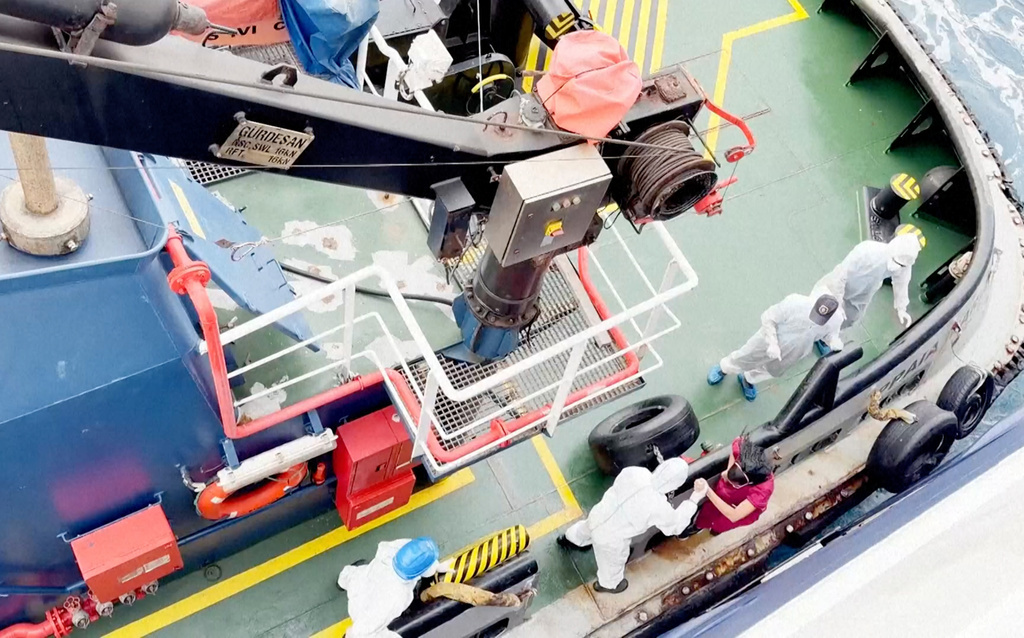
The latest reports confirm that the infection has jumped from the decks of high-end vessels to the local population of a major port of call. This development marks a grim milestone in the current crisis. While cruise lines often project an image of controlled environments and rigorous sanitation, the reality on the ground—or rather, on the water—reveals a much more chaotic picture. When thousands of people from dozens of countries are packed into a closed-loop ventilation system, the math of transmission becomes unavoidable. If you liked this piece, you might want to check out: this related article.
The Myth of the Sterile Vessel
For decades, the cruise industry has marketed the idea of the "safe bubble." They want you to believe that once you cross the gangway, the risks of the outside world vanish. This is a fabrication. In reality, a cruise ship is a massive, multi-story heat map of human interaction. Every handrail, elevator button, and buffet tong serves as a potential vector for pathogens that don't care about the price of your suite.
The primary issue lies in the sheer density of these ships. We are seeing vessels that carry upwards of 6,000 passengers and 2,000 crew members. That is 8,000 people sharing a finite volume of air and water. When a virus enters this environment, it doesn't just spread; it accelerates. The industry points to upgraded HEPA filters and increased cleaning rotations as a defense. However, these measures are often reactive, implemented only after the "red code" has been triggered. By then, the invisible fire is already out of control. For another angle on this event, refer to the latest update from AFAR.
Why Port Authorities are Flying Blind
One of the most disturbing aspects of this escalating outbreak is the lack of standardized reporting between ships and the countries they visit. When a ship approaches a new territory, it is required to submit a Maritime Declaration of Health. But this document is often based on self-reporting by the ship’s medical staff, who are employees of the cruise line. There is an inherent conflict of interest here.
A ship that reports too many sick passengers might be denied docking rights. Being turned away costs the company millions in refunds, fuel, and logistical nightmares. Consequently, there is a massive financial incentive to downplay the numbers or categorize a respiratory or gastrointestinal illness as something less threatening until it becomes impossible to hide. By the time a sovereign nation realizes it has a problem, the passengers have already disembarked, visited local shops, and sat in crowded transport vans.
The Economic Hostage Situation
Small island nations and coastal cities are often economically dependent on the "cruise dollar." This creates a power imbalance that favors the corporations over local public health officials. If a local health department tries to impose strict testing requirements or quarantine periods, the cruise line can simply threaten to remove that port from its itinerary.
For a local economy that relies on the influx of thousands of tourists per day, losing a major cruise line is a financial death sentence. This creates a situation where local governments are effectively coerced into keeping their borders open, even when they know the risks are high. They are gambling with the lives of their citizens to keep their shops and restaurants from going under. This latest country to be dragged into the outbreak is a textbook example of this dynamic. They hesitated to close their docks because the revenue was too vital, and now they are paying the price in a rapidly rising death toll and a strained healthcare system.
The Crew as the Forgotten Vector
While the media focuses on the plight of the wealthy vacationers, the crew members are often the ones who suffer the most—and spread the virus the most efficiently. The crew lives in cramped, windowless quarters in the lower decks of the ship. They work 12-hour shifts and share communal dining and bathroom facilities.
If a waiter in a specialty restaurant gets sick, they don't just stay in their cabin. Many crew members feel intense pressure to keep working to avoid losing pay or facing disciplinary action. They move between the "clean" passenger areas and the "dirty" crew areas multiple times a day. They are the circulatory system of the ship, and when that system is carrying a virus, they become the most effective delivery mechanism imaginable. Until cruise lines provide ironclad sick leave and isolation protocols for their staff, the ships will remain floating incubators.
The Ventilation Problem Nobody Wants to Discuss
Engineers have long warned that the HVAC systems on older ships are not designed to handle highly contagious airborne pathogens. While newer ships have better zoning, older vessels in the fleet often recirculate a significant percentage of air to save on cooling costs.
Imagine you are in your cabin, thinking you are safe because you are isolated. If the ship’s ventilation system is dragging air from a hallway where an infected person just coughed, your cabin door is no protection. The industry has been slow to retrofit these systems because the cost is astronomical. It requires stripping out miles of ductwork and installing massive new power units. It’s much cheaper to put hand sanitizer stations in the lobby and hope for the best.
A Legal No Mans Land
When things go wrong at sea, who is responsible? Most cruise ships are flagged in countries like the Bahamas, Panama, or Liberia. This "flag of convenience" system allows companies to avoid the strict labor and safety regulations of countries like the United States or the United Kingdom.
If a passenger or a local citizen dies because of negligence on the part of the cruise line, the legal path to justice is a labyrinth. The fine print on the back of a cruise ticket often mandates that any lawsuits must be filed in a specific jurisdiction, often one that is incredibly favorable to the corporation. This lack of accountability means there is very little legal pressure for these companies to truly change their ways. They view the occasional outbreak and the subsequent lawsuits as a "cost of doing business" rather than a catastrophic failure of their duty of care.
The Failure of International Coordination
The World Health Organization and various maritime bodies have issued guidelines, but they lack the power of enforcement. We are currently watching a patchwork of different rules and regulations being applied in real-time. One port might demand a negative test within 24 hours, while the next port on the itinerary requires nothing at all.
This inconsistency is a gift to a virus. It exploits the gaps in our defenses. Without a single, global standard for maritime health—one that is enforced by an independent body with the power to impound ships—we are destined to see this cycle repeat. The current outbreak is not a fluke. It is the logical conclusion of a system that prioritizes the movement of capital over the preservation of human life.
The True Cost of a Cheap Vacation
The consumer is not blameless in this equation. The demand for "all-you-can-eat" luxury at a bargain price drives the industry to cut corners. You cannot have a $99-a-night cruise and expect the highest standards of medical care and structural engineering. The math doesn't work.
When we book these trips, we are participating in a system that ignores the biological realities of high-density living. We are trading the safety of our communities for a few days of sun and unlimited shrimp. The "deadly virus" isn't an intruder; it is a predictable guest that was invited by our own desire for convenience and low prices.
Beyond the Headline
The news will eventually move on from this specific ship and this specific country. The cameras will stop filming the ambulances at the pier, and the stock prices of the major cruise lines will likely recover. But the structural flaws that allowed this to happen will remain.
The next virus is already out there, and it is waiting for the next ship to set sail. We have built the perfect environment for a global catastrophe, and then we acted surprised when it arrived. The question is no longer whether another outbreak will occur, but whether we will have the courage to dismantle the system that makes it inevitable. This involves more than just better cleaning supplies. It requires a fundamental restructuring of maritime law, a shift in how port cities view their economic dependence, and a demand from the public for transparency over profit.
If a ship cannot guarantee that it won't become a floating hearse, it has no business leaving the dock. The industry needs to prove its worth, not through glossy brochures, but through the cold, hard data of passenger safety and environmental health. Until then, every cruise ship is a gamble that the rest of the world is being forced to hedge.
Demand that your local representatives push for independent health audits of any vessel entering your waters. Refuse to board a ship that does not provide transparent, real-time data on passenger and crew illness. The power to change this industry lies in the hands of the people who fund it and the governments that host it. Stop treating these ships like sovereign territory and start treating them like the high-risk environments they truly are.