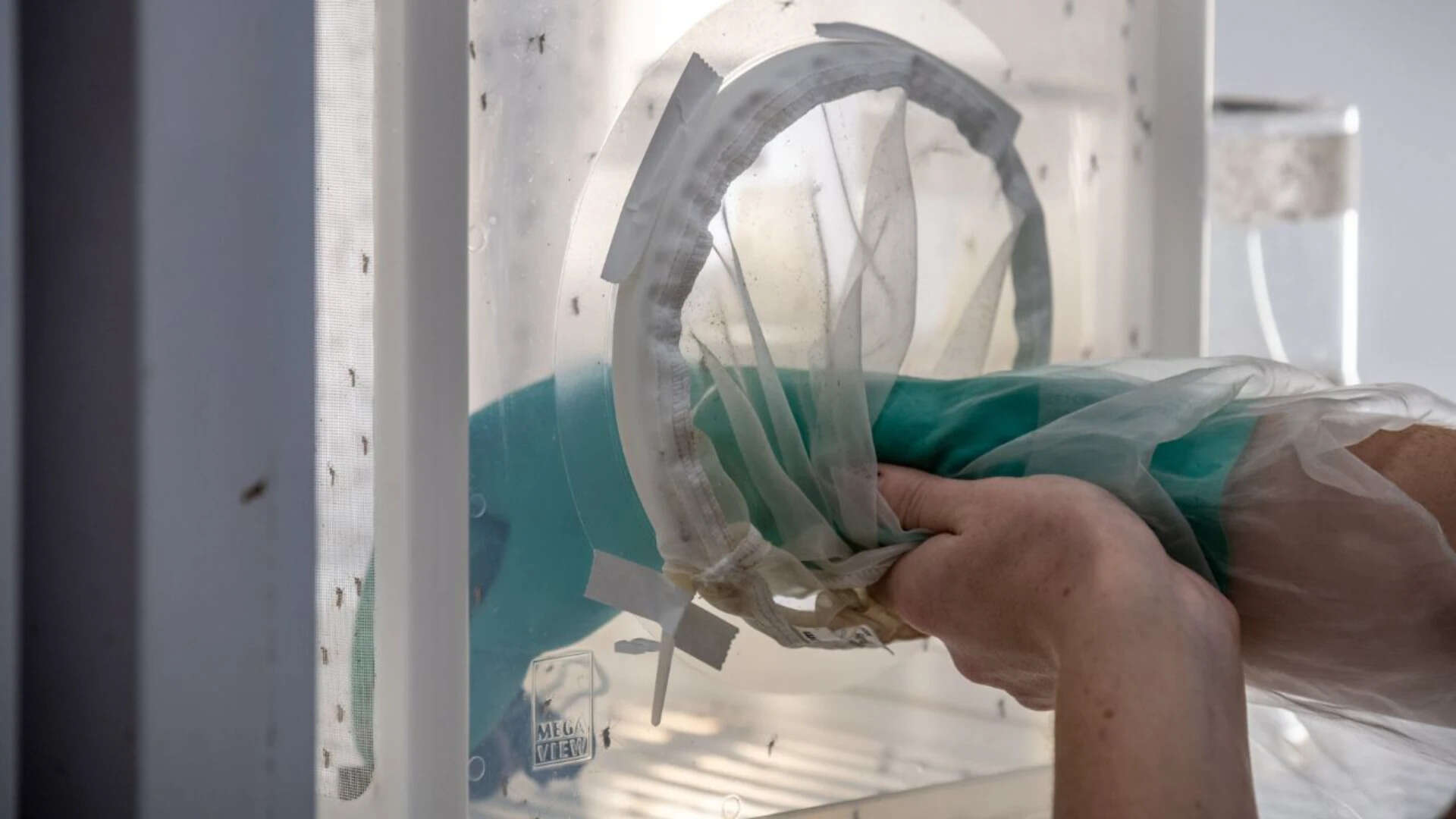
Invasive plants are doing a lot more than just ruining local ecosystems. They're actually breeding mosquitoes right in your backyard, and if you live in a lower-income neighborhood, the risk is significantly higher.
It sounds like a stretch at first. How does an overgrown bush imported from another continent end up multiplying the number of tiger mosquitoes on your block? The connection is direct, grounded in recent ecological research, and heavily tied to urban neglect. Also making waves recently: Preventing the Next Ebola Outbreak Before It Crosses Borders.
When non-native plant species take over a neighborhood, they create microclimates that mosquitoes absolutely love. Combine dense leafy cover with abandoned containers or poorly maintained drainage systems, and you get an explosion in pest populations. Lower-income areas often bear the brunt of this because city infrastructure maintenance lags behind, leaving invasive vegetation and stagnant water unchecked.
How Invasive Flora Creates Perfect Mosquito Nurseries
Mosquitoes don't just need standing water to reproduce. They need food, shade, and humidity. Invasive plants provide all three in abundance, often far better than native plants do. Additional information on this are covered by CDC.
Take Amur honeysuckle or English ivy, for example. These plants form extremely thick canopy layers close to the ground. That dense foliage traps moisture, shielding mosquitoes from the dry heat of mid-day sun that would otherwise kill them. It creates a humid sanctuary where adult mosquitoes can survive longer, bite more people, and lay more eggs.
Then there's the food aspect. Male mosquitoes don't bite humans; they feed on plant sugars. Female mosquitoes also rely on plant nectar for energy when they aren't actively seeking blood to develop eggs. Many invasive shrubs produce massive amounts of sugary nectar and decay into nutrient-rich leaf litter. When those leaves fall into standing water, they break down fast, providing a feast for hungry mosquito larvae. Native mosquito species and invasive ones like Aedes albopictus (the Asian tiger mosquito) thrive in these nutrient-dense pools.
Research shows that larval mosquitoes feeding on water enriched by invasive plant litter grow faster, survive at higher rates, and emerge as bigger adult mosquitoes. Bigger mosquitoes live longer and can carry higher viral loads. That's a direct threat to public health.
Why Lower Income Areas Face the Highest Risk
This isn't an equal-opportunity problem. The intersection of botany, infrastructure, and socioeconomic status creates a unfair burden on low-income urban communities.
In wealthier neighborhoods, property owners generally have the resources to manage overgrown yards, hire pest control, and clear out invasive brush. Municipalities also tend to respond faster to service requests in high-income zip codes. Parks get trimmed. Ditches get cleared. Storm drains get treated.
In lower-income neighborhoods, the story changes completely:
- Vacant Lots: Empty lots often sit neglected for years. Invasive vines, weeds, and shrubs grow completely unhindered, creating massive breeding reservoirs right next to residential homes.
- Aging Infrastructure: Broken pipes, cracked sidewalks, clogged storm drains, and uneven pavement hold standing water for weeks after a light rain.
- Illegal Dumping: Abandoned tires, plastic containers, and trash get buried under thick, fast-growing invasive weeds. Those hidden containers collect rainwater, forming invisible mosquito nurseries beneath a green canopy.
- Lack of Air Conditioning: Residents in lower-income housing are less likely to have central air conditioning. They open windows or sit outside on summer evenings, dramatically increasing their exposure to mosquito bites.
When you mix overgrown invasive plants with unmanaged trash and poor drainage, you aren't just adding factors together—you're multiplying them. It's a feedback loop that leaves certain neighborhoods swarming with pests while wealthier areas remain relatively comfortable.
The Real Health Threats Behind the Swarm
This isn't just about itchy red bumps on your arms. It's a genuine community health issue.
Mosquitoes are vectors for dangerous viruses. The Asian tiger mosquito is a known vector for West Nile virus, Dengue, Chikungunya, and Zika. When mosquito populations spike in urban areas, the probability of local disease transmission jumps significantly.
"Urban environments with high densities of invasive vegetation create ideal microclimates that increase adult mosquito survival rates and larval development speed." — Environmental Health Perspectives
If a neighborhood has ten times more mosquitoes because of unchecked invasive plants and poor drainage, every resident stepping outside faces a higher statistical risk of encountering an infected insect. Children playing in local parks and elderly residents sitting on porches are the most exposed.
Simple Steps to Break the Cycle on Your Property
You can't fix your entire city's infrastructure overnight, but you can take immediate action to clear out mosquito hot spots on your own lot or in your neighborhood group.
- Rip Out Problem Shrubs: Identify fast-growing invasive plants like Amur honeysuckle, Japanese barberry, and English ivy. Cut them down to the root and replace them with native species like spicebush, milkweed, or native ferns that don't trap excessive ground humidity in the same way.
- Clear the Hidden Trash: Pull back heavy vines and brush along property lines to uncover hidden trash, plastic cups, and tires that collect water.
- Dump and Scrub: Empty any standing water at least once every five days. Mosquitoes can develop from egg to adult in under a week during summer heat. Scrub the inside of birdbaths and bucket rims to dislodge sticky mosquito eggs.
- Use BTI Rings in Standing Water: If you have standing water you can't drain (like a rain barrel or persistent puddle), drop in a BTI (Bacillus thuringiensis israelensis) larvicide dunk. It's a naturally occurring soil bacterium that kills mosquito larvae without harming pets, birds, or beneficial insects.
- Report Vacant Lot Overgrowth: Use your local 311 service or municipal app to report overgrown vacant lots and clogged storm drains repeatedly. Public health departments often prioritize larvicide applications in areas with active citizen reports.
Tackling the urban mosquito issue requires looking past the surface water and paying attention to the green vegetation growing right beside it. Clearing out invasive brush is one of the most effective, underrated moves you can make to reclaim your yard and protect your community.