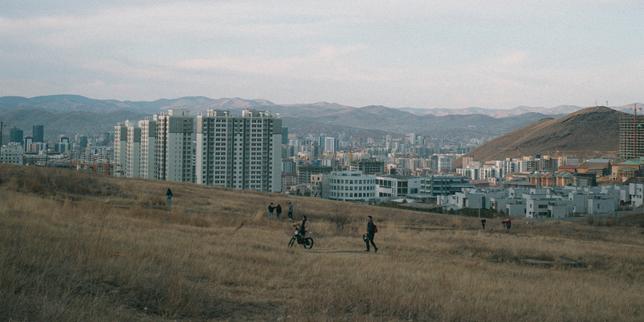
Smoke hangs thick over Ulaanbaatar during the bitter winter months. You smell coal and burning tires long before you see the city lights cutting through the freezing haze. This is Mongolia's capital, a sprawling metropolis holding nearly half the entire country's population. People are moving here faster than the infrastructure can possibly handle. They trade wide-open steppe lands for crowded tent districts on the city's fringes.
The story of Ulaanbaatar is not just about urban expansion. It is a massive demographic shift altering the soul of a nomadic nation. If you liked this piece, you might want to look at: this related article.
Why Everyone Is Moving to the City
Life on the countryside is brutal. You face harsh winters known locally as dzud. These extreme weather events wipe out livestock herds in massive numbers. When your sheep and goats freeze or starve to death, your entire livelihood vanishes overnight. Families lose their financial foundation. They pack what remains into a truck or van and drive toward the capital. They look for cash jobs, better schooling for their kids, and basic healthcare access.
The problem is that Ulaanbaatar wasn't built for this influx. The central districts feature Soviet-era block apartments and modern high-rises. However, the outer edges of the city belong to the ger districts. These are vast neighborhoods of traditional circular felt tents, known as gers, mixed with makeshift wooden cabins. For another angle on this event, see the latest update from National Geographic Travel.
You won't find central heating out there. Wood and raw coal stoves provide warmth against temperatures dropping below minus thirty degrees Celsius. That burning coal is the direct source of the choking smog wrapping the city every winter. It creates severe public health crises, particularly for young children suffering from respiratory illnesses.
The Struggles Facing the Younger Generation
Walk through the central squares or hang out in the coffee shops downtown, and you will meet a generation caught between two worlds. Young Mongolians are digitally connected, highly educated, and culturally globalized. They speak English, study software development, and dream of working in tech or international business.
Yet, finding a stable job that pays enough to rent a proper apartment remains deeply difficult. Minimum wages lag behind soaring inflation and housing prices in the city center. Many young professionals live with their families in cramped ger districts or commute hours from the edge of town.
Traditional values clash directly with modern urban realities. Older generations expect young people to maintain strict nomadic hospitality codes and support extended family networks. Meanwhile, corporate job markets demand individualistic hustle. This creates a distinct identity friction. You grew up hearing stories of riding horses across boundless green pastures. Now you spend two hours squeezed into a packed public bus crawling through heavy traffic jams.
Life Inside the Ger Districts
Don't let the word tent fool you. A ger is an engineering marvel designed to withstand fierce winds, but adapting it to permanent urban slums creates unique challenges. These neighborhoods lack indoor plumbing. Residents buy water from communal kiosks scattered throughout the districts. Sanitation relies on outhouse pits dug into the frozen soil, raising serious groundwater contamination concerns.
Electricity is available, but the grid frequently overloads when everyone cranks up electric heaters during cold snaps. Local governments try to pave roads and install central heating pipelines, but the city grows outward faster than urban planners can lay down pipes.
Community spirit stays remarkably strong despite these hardships. Neighbors help each other insulate tents for winter and watch over children after school. People retain their rural roots by hosting traditional holidays, sharing airag (fermented mare's milk) when they can get it, and respecting elders.
What the Tourism Photos Miss
If you look at glossy travel magazines, you see monks walking near ornate temples, neon signs flashing downtown, and vast mountain backdrops. You don't see the children coughing from toxic air pollution or the financial desperation pushing families to migrate.
Mongolia faces a critical turning point. Stopping the rural exodus is nearly impossible without revitalizing the agricultural economy. Herders need better financial safety nets, modern veterinary care, and climate-resistant infrastructure to survive the severe weather cycles.
At the same time, Ulaanbaatar needs aggressive urban renewal. Green energy transitions, affordable housing projects, and decentralized economic hubs outside the capital could relieve the pressure.
The youth living in this transforming city are not just waiting around for solutions. They are building startups, organizing environmental protests against smog, and blending traditional Morin Khuur horsehead fiddle music with modern hip-hop. They are figuring out how to be modern urbanites without forgetting where they came from.
Step off the beaten path next time you think about this region. Look past the picturesque steppe landscapes. Realize that Mongolia's future is being forged right now in the coal-dusted air of its crowded capital.