When a young apprentice electrician stepped onto a solar panel installation site in Hong Kong to handle live wiring amidst pouring rain without basic insulated safety gear, a catastrophe was already engineered into the project hierarchy. In September 2026 at the West Kowloon Magistrates' Courts, Magistrate Jeffrey Sze Cho-yiu exposed the grim reality of this industrial tragedy by slapping China Power International Development, Towngas-China Power, A Kourage, and Skynet Engineering with combined fines exceeding HK$3.1 million. Three of these entities absorbed penalties surpassing HK$900,000 each for a litany of safety breaches that turned a routine construction task into a fatal electrocution. But the courtroom drama obscured a darker truth. These fines represent a minor administrative toll for corporate giants who routinely outsource liability down a fractured subcontracting chain.
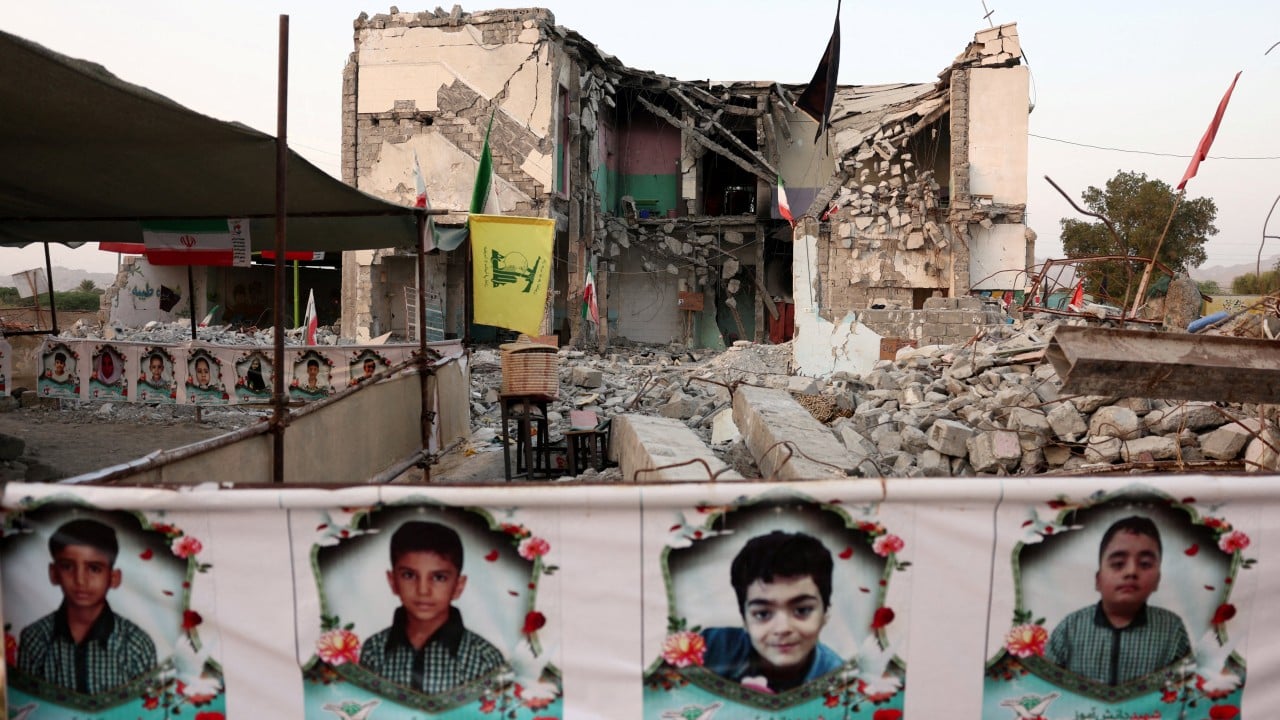
The court proceedings laid bare an institutional vacuum. On paper, safety protocols existed in pristine binders. On the ground, supervision was entirely absent. China Power International Development, acting as the main contractor for the solar energy works, maintained zero on-site oversight. Not even the slightest managerial presence monitored the hazardous conditions. Beneath them, a joint venture entity and cascading subcontractors operated in willful isolation. Workers lacked essential qualifications for high-risk electrical tasks. They lacked insulated gloves. They labored in the rain while corporate boardrooms treated safety compliance as an optional spreadsheet recommendation rather than an absolute legal duty. Also making news in related news: When Schools Become Targets The Legal Vacuum of Modern Air Warfare.
The Architecture of Distributed Blame
Modern industrial projects operate like financial derivatives. Risk is sliced, packaged, and handed down to the lowest tier possible, while profit margins are retained at the top. When an accident occurs, the upper echelons deploy an army of legal defense counsel to parse contracts and deflect accountability. In this particular case, Skynet Engineering bore direct liability for ordering an unauthorized person into a restricted, high-risk zone without supervision. Yet, the systemic failure extended far upward across multiple corporate layers.
Subcontracting creates an intentional fog of war. Main contractors bid on massive municipal or commercial energy contracts, secure the capital, and immediately farm out the actual labor to secondary and tertiary companies. Each layer introduces a new commercial buffer between the ultimate beneficiary of the work and the human beings risking their lives at the sharp end of a cable. Communication protocols break down because communication costs money and slows execution. Safety exchanges between subcontractors are ignored, poorly documented, or entirely fabricated. When regulatory bodies finally step in after a body is carried off-site, corporations express profound shock while quietly calculating insurance payouts and managing public relations fallout. Further details regarding the matter are covered by The New York Times.
Magistrate Sze noted that several firms failed even to report the fatal incident to authorities within the mandatory seven-day window. That detail reveals the immediate corporate instinct upon discovering a dead worker. Instead of mobilizing emergency response transparency or admitting operational failure, management paused to assess exposure. They calculated whether concealment or delay might shield them from regulatory wrath. This reflex is not an aberration. It is standard operating procedure across an industry where speed and cost reduction eclipse human survival.
The Illusion of Deterrence in the Courts
Fines totaling over HK$3.1 million sound substantial to an ordinary citizen. In the context of billion-dollar energy conglomerates and major infrastructure developers, however, such penalties function as a predictable operating expense. Hong Kong legislators amended relevant occupational safety ordinances to increase maximum penalties, theoretically opening the door to fines up to HK$10 million and two-year prison sentences. Judges like Sze attempt to signal zero tolerance by characterizing these penalties as heavy relative to historical precedent.
Yet, prison sentences for corporate executives remain vanishingly rare. No senior director or board member sat in the dock facing a custodial sentence for stripping away basic safety infrastructure. Instead, corporate entities absorb the financial penalty through corporate accounts, insurance policies absorb the rest, and operations resume under a slightly altered company name or through a newly formed subsidiary. The financial deterrent is diluted across corporate balance sheets until it loses all punitive force.
Consider the mathematics of compliance. Installing proper weather-proof enclosures, maintaining continuous on-site supervision by certified electrical engineers, purchasing high-grade insulated equipment, and pausing work during torrential downpours all cost money. They eat into margins. They delay project timelines. When the statistical probability of a fatal accident resulting in a multi-million-dollar fine is weighed against the guaranteed daily cost of rigorous safety compliance, unscrupulous management teams routinely gamble with workers' lives. The system rewards this calculus because the financial downside is capped while the efficiency gains are immediate.
The Disposable Workforce
Apprentices and junior laborers occupy the bottom rung of an unforgiving hierarchy. They lack the leverage to refuse dangerous orders. An eighteen-year-old or early-twenties worker trying to establish a foothold in the electrical trade cannot easily tell a supervisor that stringing solar panel wires in the rain without insulated gear violates statutory safety codes. To refuse is to risk termination, blacklisting, or the informal label of being difficult in a tight labor market.
Industry veterans watch this cycle repeat with weary resignation. Vocational training programs teach theoretical safety standards in controlled classrooms, but reality on a live construction site operates under entirely different rules. Supervisors pressure apprentices to cut corners because deadlines are compressed. Equipment is frequently missing, broken, or locked away in distant site offices. When an apprentice is killed, public discourse briefly focuses on individual carelessness or lack of certification. The narrative shifts toward blaming the victim for attempting work beyond his qualifications, as if a teenager improvised a high-voltage solar panel connection out of personal ambition rather than direct instruction from superiors.
Skynet Engineering pleaded guilty to ordering an unauthorized person to enter a designated area without supervision before the trial even commenced. That guilty plea was not an act of contrition. It was a strategic containment maneuver designed to absorb the primary blame, thereby shielding upstream entities from harsher joint liabilities. The corporate strategy relies on sacrificial lambs at the bottom to protect the institutional infrastructure at the top.
Regulatory Blind Spots and Enforcement Realities
Labor department inspectors face impossible workloads across Hong Kong's hyper-dense construction sector. Thousands of active sites operate simultaneously, many rushing to meet aggressive renewable energy transition targets. Solar panel installations have surged as corporations and government bodies chase green credentials. This rapid expansion of solar infrastructure has outpaced the inspection capacity of regulatory watchdogs, creating wide enforcement gaps.
Inspectors rely heavily on reactive investigations rather than proactive intervention. They arrive after the ambulance leaves. They measure safety compliance against paperwork that was often completed retrospectively after an accident triggered an audit. When contractors fail to maintain mandatory channels of communication regarding workplace hazards—as A Kourage failed to ensure between secondary firms—inspectors rarely uncover the omission until someone dies on the job.
The enforcement apparatus is fundamentally mismatched against modern corporate structures. Bureaucracies move slowly while construction proceeds around the clock, fueled by subcontractors bidding against each other in a race to the bottom. Fines issued months or years after an incident do nothing to alter current behavior on active sites. By the time a magistrate delivers a stern lecture in a West Kowloon courtroom, the management team that cut corners has moved on to new projects, leaving a corporate shell to pay the bill.
Legislative Shifts Without Cultural Transformation
Recent legal reforms aimed at toughening occupational safety laws in Hong Kong represent a nominal step forward, but legislation alone cannot pierce the corporate veil. When the Legislative Council pushed through amendments to increase maximum fines and introduce stricter liability standards, labor advocates hoped it would spark an industry-wide reckoning. Instead, companies adapted by tightening indemnity clauses in subcontractor agreements rather than upgrading safety culture on the ground.
These contractual gymnastics ensure that financial liability can be shuffled downstream or contested through endless litigation. Main contractors insert clauses requiring subcontractors to indemnify them against all safety breaches, effectively washing their hands of operational reality while retaining total control over project timelines and budgets. When an enforcement agency investigates a fatality, it encounters a labyrinth of legal paper trails designed specifically to obscure who actually had the authority to stop unsafe work.
The Cycle Continues Uninterrupted
No amount of legislative tightening will alter the fundamental incentives of the construction sector until personal criminal liability becomes the standard rather than the statistical anomaly. As long as corporate entities can pay their way out of manslaughter and gross negligence through financial settlements, safety will remain a secondary consideration.
The apprentice who died while wiring solar panels in the rain is a casualty of a system designed to insulate decision-makers from the physical consequences of their commercial choices. His death was not a freak accident. It was the predictable outcome of structural negligence, corporate evasion, and regulatory impotence. Until executives face actual imprisonment for failing to provide basic safety gear and supervision, the courts will continue to collect fines, and another apprentice will eventually pay the ultimate price.