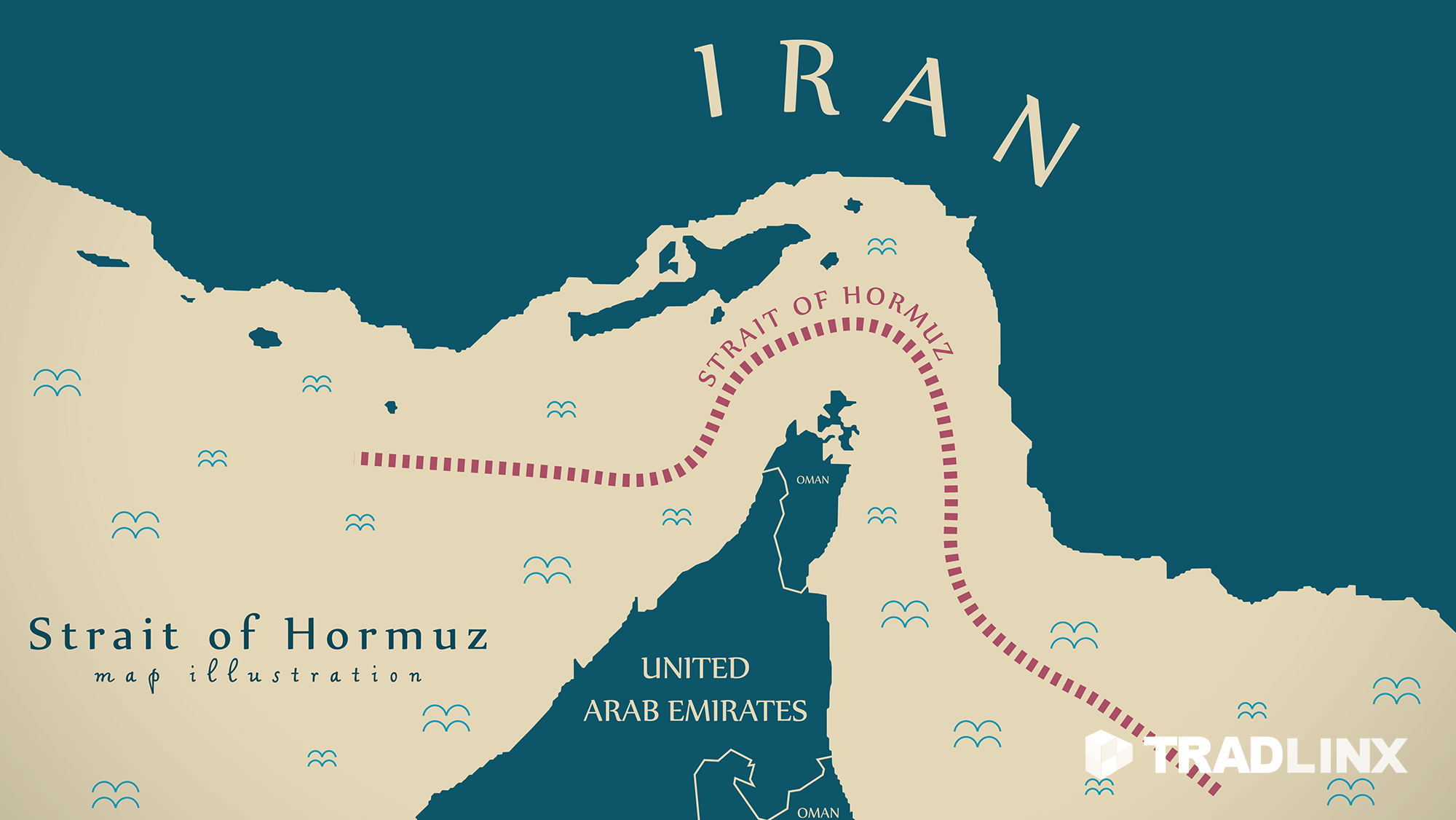
Starting Monday, May 4, 2026, the United States will begin a high-stakes military and diplomatic operation to extract hundreds of merchant vessels currently trapped in the Persian Gulf. Dubbed Project Freedom, the initiative aims to break a weeks-long maritime deadlock in the Strait of Hormuz that has effectively paralyzed 20% of the world’s oil and liquefied natural gas supply. President Donald Trump announced the move on Sunday, framing it as a humanitarian necessity for more than 20,000 seafarers who have been caught in the crossfire of the U.S.-Iran conflict.
The operation comes as maritime traffic in the region has plummeted by 90% since late February. While the President describes the move as a "guidance" effort for neutral vessels, the deployment of guided-missile destroyers, 100 aircraft, and 15,000 service members suggests a much more muscular reality on the water.
The Human Cost of a Maritime Standstill
For the crews of the roughly 850 ships currently anchored or idling behind the Iranian "gate," the situation has shifted from a professional inconvenience to a survival crisis. Most of these seafarers are from India, the Philippines, and Southeast Asia. They are not combatants, yet they have spent the last two months watching intercepted drones and missiles detonate in the skies above their tankers.
Supply lines for these vessels are failing. Reports from the United Kingdom Maritime Trade Operations (UKMTO) indicate that many ships are running dangerously low on fresh water and food. Because the Strait is functionally closed to unauthorized traffic, standard crew rotations have ceased. Men and women are trapped on floating steel islands with no clear timeline for when they might see land or their families again.
By branding this a "Humanitarian process," the administration is attempting to bypass the aggressive optics of a standard military escort. However, the distinction is thin. If U.S. destroyers lead a convoy of tankers through waters that Tehran still claims to control under its own "security" protocols, the risk of a kinetic flashpoint is almost certainty.
The Mechanics of Project Freedom
While the White House has been light on technical specifics, U.S. Central Command (CENTCOM) has signaled a multi-domain approach. This will likely involve:
- Aerial Surveillance Overmatch: Utilizing a swarm of land and sea-based aircraft to provide a "glass ceiling" over the Strait, identifying Iranian fast-attack craft before they can close distance.
- Electronic Warfare Shields: Disruption of Iranian coastal radar and drone guidance systems to ensure ships can pass through the narrowest channels without being targeted by shore-based batteries.
- The Maritime Freedom Construct: A coordination layer involving insurance companies and neutral shipping registries to verify the "innocent" status of the vessels being extracted.
The administration’s strategy hinges on a delicate paradox. It claims the hostilities with Iran have "terminated" to satisfy domestic legal requirements, yet it is deploying a massive strike group to "forcefully" deal with any interference. This is a calculated test of Iranian resolve. If Tehran allows the ships to leave, they lose their primary leverage in ongoing peace negotiations. If they fire, they risk a full-scale resumption of the air campaign that decimated their infrastructure earlier this spring.
The Economic Shadow and the Price of Oil
The closure of the Strait has not just stranded sailors; it has choked the global economy. Energy prices have spiked as hundreds of tankers carrying oil, fertilizer, and petroleum products remain stuck in the Gulf. Producers in the region have been forced to shutter production because they have run out of storage capacity.
Traders remain skeptical of whether Project Freedom can actually restore stability. Oil markets steadied following the announcement, but a "one-way" extraction of stranded ships is not the same as reopening a two-way trade route. Insurance premiums for any vessel entering the Gulf remain at prohibitive, "war-zone" levels. Even if these 800 ships are guided out, it is unlikely that a fresh wave of commercial traffic will rush back in until a formal, signed treaty is in place.
A Diplomatic Minefield
The timing of this operation is not accidental. Trump noted that "very positive discussions" are occurring with Iranian leaders, even as he expressed dissatisfaction with their current 14-point peace proposal. Project Freedom serves as a physical demonstration of U.S. control over the waterway, intended to squeeze the Iranian negotiators into accepting less favorable terms.
Tehran has already called the move a violation of the current ceasefire. Ebrahim Azizi, head of the Iranian parliament’s National Security Commission, warned that any U.S. military "interference" in the Strait would be met with a response. This creates a hair-trigger environment where a single misunderstood maneuver by a ship captain or a low-level drone operator could collapse weeks of back-channel diplomacy.
The U.S. is betting that Iran’s internal economic pressure—exacerbated by a total naval blockade—will prevent them from retaliating. It is a gamble that assumes the Iranian leadership prioritizes survival over the strategic dominance of their own coastline.
The Logistics of Extraction
Moving 850 ships through a narrow, mine-strewn waterway is a logistical nightmare. The Strait’s traffic separation scheme is only a few miles wide. Coordinating the movement of massive VLCCs (Very Large Crude Carriers) that require miles to stop or turn, while under the protection of a military canopy, requires precision that the commercial shipping world has rarely seen.
The Navy will likely prioritize vessels based on the volatility of their cargo and the desperation of their crews. It will be a slow, methodical crawl. Starting Monday, the world will watch to see if this "guidance" is a path to peace or a choreographed invitation to the next phase of the war.
The ships are ready to move. The destroyers are in position. The only remaining question is whether the "Humanitarian gesture" will be accepted as such, or if the Strait of Hormuz is about to become the site of the decade's most significant naval confrontation.