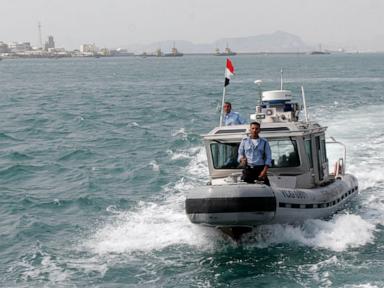
The return of Somali piracy off the coast of Yemen and the wider Gulf of Aden is not a sudden anomaly, but the predictable collapse of a security architecture built on fragile political temporary fixes. When armed men seize an oil tanker in international waters, the immediate reaction from international shipping associations is routine condemnation and advisory notices to maintain high freeboards and keep armed guards on standby. That routine misses the deeper operational reality. Modern piracy thrives in the vacuum left by shifting naval priorities, regional state failure, and economic desperation ashore that no amount of private security can permanently suppress.
For years, maritime analysts pointed to the 2012 peak of Somali piracy as a solved problem. International naval task forces, private armed security teams aboard commercial vessels, and localized governance experiments effectively suppressed the business model of hijacking. Ransom payments dried up. Motherships were intercepted before they could reach major shipping lanes. The problem was treated like a disease that had been successfully vaccinated against, rather than a symptom of chronic instability that required constant management.
That complacency shattered as maritime resources shifted elsewhere. When geopolitical flashpoints in the Red Sea and surrounding waterways demanded the full attention of Western navies, enforcement patrols thinned out. Criminal syndicates based along the Horn of Africa noticed the open lanes. They adapted their tactics, upgrading from wooden skiffs to fast, radar-equipped fiberglass boats capable of operating hundreds of miles from the coastline.
The Economic Engine Behind the Gun
To understand why young men continue to board tankers at gunpoint, look at the coastal economy of Puntland and central Somalia. Youth unemployment remains persistently high. Alternative livelihoods are practically nonexistent in communities decimated by overfishing by foreign trawlers and recurring climate shocks that have devastated pastoralist traditions.
A successful maritime hijacking offers a payday that dwarfs anything a local fisherman or laborer might earn in a lifetime. Financial backers, often operating out of regional urban centers or diaspora communities, provide the seed capital: outboard motors, AK-47 assault rifles, rocket-propelled grenades, and GPS equipment. This is organized crime functioning with corporate efficiency. Investors take a percentage, foot soldiers take a cut, and local protectors receive protection fees to ensure safe harbor for the captured vessels.
Private maritime security companies have capitalized on this resurgence, marketing hardened vessel protection detachments and armored citadels where crews can lock themselves away during an attack. Yet these measures treat the symptom while ignoring the structural vulnerabilities of the vessels themselves. Bulk carriers and smaller product tankers operating on tight profit margins often cut corners on security protocols to save costs, leaving themselves exposed as soft targets when they transit narrow choke points like the Bab el-Mandeb strait.
The Geopolitical Collision Course
The hijacking of an oil tanker near Yemen does not happen in a geopolitical vacuum. The waters off the Yemeni coast are already saturated with conflict, involving local factions, regional powers, and international coalitions engaged in protecting vital energy corridors. When Somali pirate networks intersect with regional insurgencies, the threat profile changes dramatically.
Intelligence reports indicate varying degrees of tactical opportunistic alignment between maritime criminals and coastal militants. While classical Somali pirates were strictly motivated by financial ransom rather than political ideology, the shared use of coastal hideouts and illicit smuggling routes creates a dangerous operational overlap. Weapons flowing into Yemen find their way back across the Gulf of Africa, while seasoned sea-raiders are sometimes hired to conduct logistics for other armed groups.
This convergence creates a nightmare scenario for shipping companies. Navigating the Gulf of Aden used to be a matter of maintaining a predictable speed and keeping a sharp lookout. Now, captains must calculate the intersecting risks of missile strikes from the Arabian Peninsula and boarding parties originating from the African horn. Insurance premiums for hull and machinery coverage in these high-risk areas have spiked dramatically, driving up the cost of delivered energy products and manufactured goods worldwide. Every time a tanker is delayed or diverted around the Cape of Good Hope, the friction cost ripples through global supply chains, ultimately paid by the end consumer at the pump and on store shelves.
The Limits of Naval Containment
Naval patrols can deter individual attacks, but they cannot eradicate maritime piracy at its source. Warships are expensive tools designed for high-intensity conflict, deployed to police vast expanses of ocean against decentralized criminal networks. A single frigate cannot be everywhere at once.
Furthermore, legal bottlenecks continue to frustrate effective prosecution. When navies capture suspected pirates at sea, finding a regional state willing to accept, try, and imprison them remains an ongoing diplomatic hurdle. Jurisdictional questions, human rights concerns regarding detention conditions, and fears of retaliation often result in suspected criminals being disarmed and released close to shore—ready to acquire a new rifle and try again within weeks.
Until regional governance stabilizes and alternative economic pathways emerge for coastal communities in East Africa, maritime hijackings will remain a low-risk, high-reward enterprise. The threat has not gone away; it merely waited for the world to look in another direction.