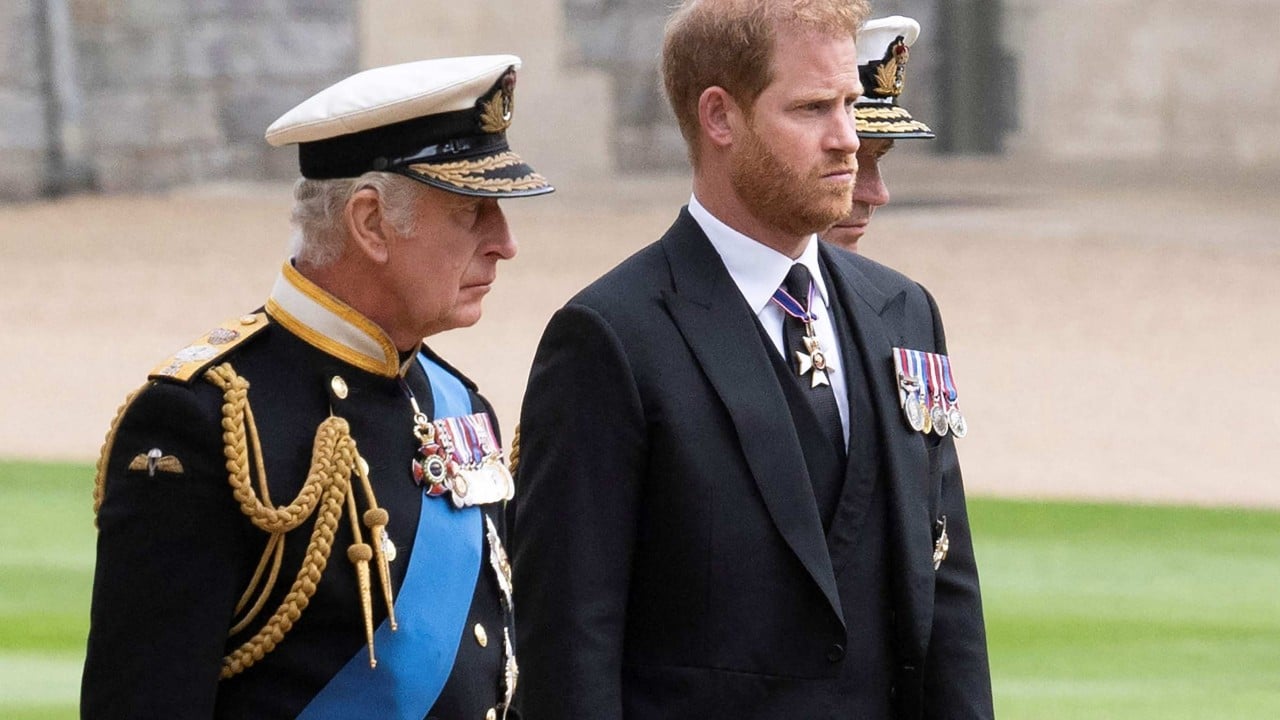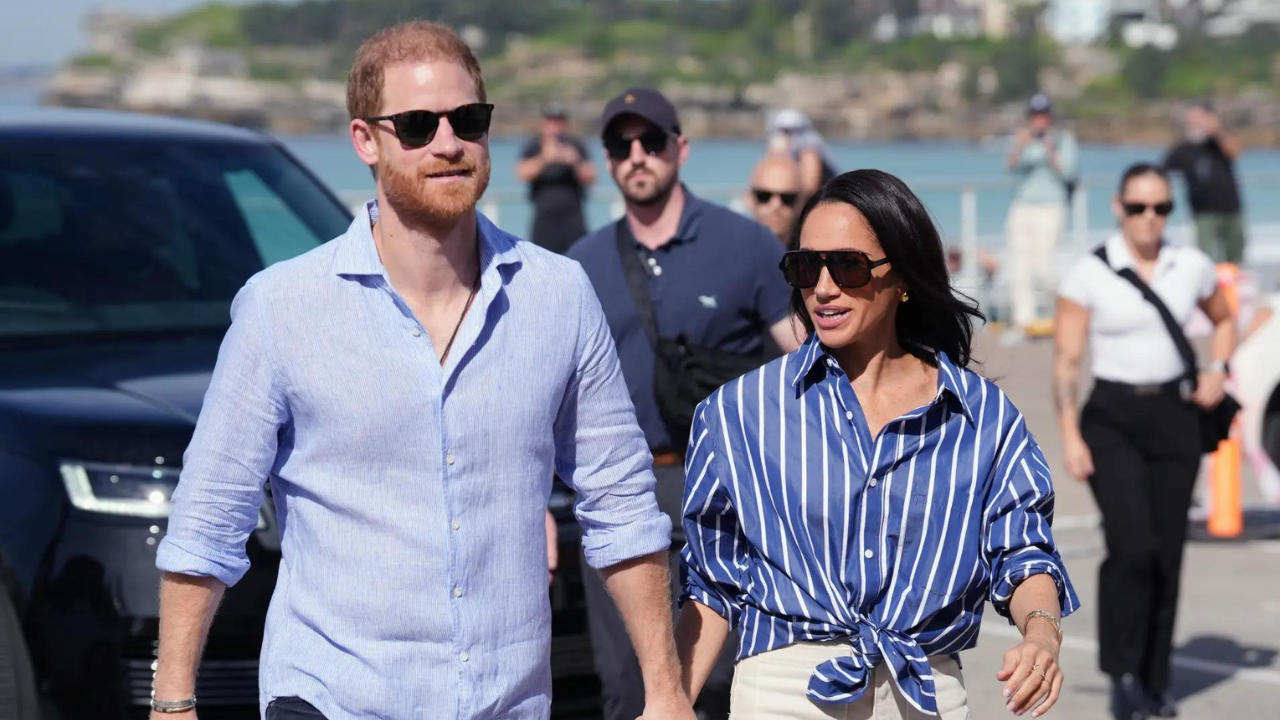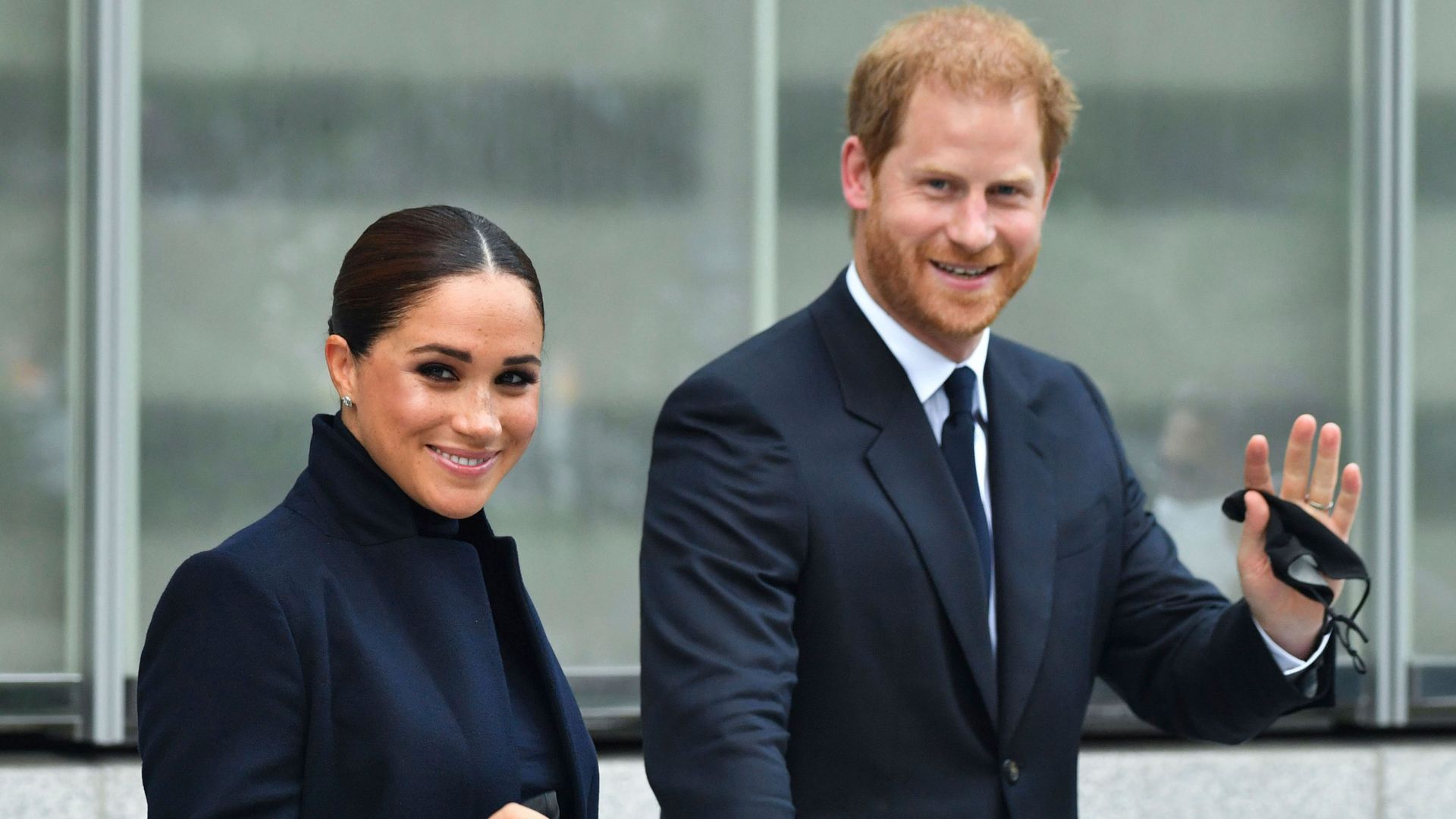
The return of Prince Harry and Meghan Markle to British soil has triggered an immediate, defensive wall of bureaucratic machinery from Buckingham Palace. Within days of the family relocating back across the Atlantic, King Charles authorized formal guidance sent directly to senior government officials, military leaders, and civil servants. The message was clear. The Duke and Duchess of Sussex are private citizens, and their homecoming changes nothing about the institutional architecture of the British monarchy.
Public fascination often frames the family dynamic as a soap opera of personal slights and emotional reconciliations. Yet, the reality is far more rigid. It is a matter of constitutional mechanics. When the couple packed their lives for California in 2020, they entered into an arrangement that institutionalized a strict separation between bloodline and duty. Their return to the United Kingdom, complete with plans to base themselves outside London, does not blur those lines. Instead, the Crown has moved swiftly to ensure that the boundary remains etched in stone.
The Mechanics of Non-Working Status
The guidance issued by the Lord Chamberlain on behalf of the King serves a singular administrative purpose. It eliminates ambiguity for public bodies and state organizations. When a prince and his family relocate, local councils, military regiments, and charitable trusts often scramble to determine protocol. Do they extend official invitations? Do they treat public appearances as state-adjacent events?
The Palace answered with absolute finality. The Sussexes do not represent the Sovereign. Their commercial ventures and philanthropic projects are strictly personal enterprises. They retain their ducal titles, and Prince Harry remains fifth in line to the throne, but these facts exist entirely separate from operational utility. They are members of the family by birth, but strangers to the firm by design.
This compartmentalization protects the monarchy from political vulnerability. If a non-working royal engages in commercial media deals or advocacy campaigns that spark controversy, the Crown cannot be held implicitly responsible. By explicitly classifying Harry and Meghan as private individuals with commercial interests, Buckingham Palace insulates itself from the commercial fallout of their independent careers.
Security Realities and State Liability
Beneath the polite wording of palace circulars lies a persistent financial and legal friction point. Security. During their years away, the question of who pays for protection during British visits became a battleground of high-stakes litigation. Prince Harry's legal challenges against the Home Office highlighted a fundamental clash between personal perception of risk and state-administered threat evaluation.
The recent palace guidance explicitly sidesteps this tension by redirecting all operational security inquiries to the relevant police authorities. By refusing to integrate security discussions into the royal household's administrative purview, the institution maintains a strict firewall. State-funded protection is tied strictly to working royal status and official duties assessed by the Executive Committee for the Protection of Royalty and Public Figures. Because Harry remains outside that working framework, his return does not unlock a reversion to taxpayer-funded security details.
The Long Game of Family and Geography
The decision to bring their children back to Britain and enroll them in local schools signals a major lifestyle pivot. For years, the narrative was defined by distance, ocean-wide gulfs, and scorched-earth media interviews. Living in the countryside outside London places the family geographically closer to the epicentre of the institution, yet they remain outside its operational perimeter.
This physical proximity without institutional integration creates a unique modern precedent. The British monarchy has spent centuries refining how it handles internal dissent and voluntary departures. Past eras dealt with exile or forced marginalization. Today, the system manages autonomy through corporate-style restructuring. Harry and Meghan are free to pursue philanthropic and commercial goals on their own terms, provided the brand of the Crown is never invoked to advance them.
The red lines drawn by Charles III ensure that the architecture holding up the modern British state remains undisturbed, proving that you can return to your homeland while remaining entirely locked out of the machine.