Two unvaccinated residents of Lancaster County, Pennsylvania, have died from measles, marking the state's first fatalities from the virus in 35 years and shattering a long-held illusion that the disease is a relic of medical history. These deaths arrive amid a broader national resurgence, pushing the United States through its worst measles crisis since 1991. With nearly 400 cases confirmed across Pennsylvania alone this year, public health systems are colliding with a dangerous mix of falling immunization coverage and high-level political skepticism.
The tragedy in Lancaster County brings an abstract public health debate into sharp, human focus. Measles is not a mild childhood inconvenience. It is an aggressive pathogen capable of stripping the body of its immunological memory, leaving survivors vulnerable to secondary infections for months or years. When vaccination rates drop below the threshold required for herd immunity—roughly 95 percent for measles—the virus moves rapidly through pockets of unprotected individuals. Don't miss our recent article on this related article.
The Mechanics of a Preventable Resurgence
For decades, the standard measles, mumps, and rubella vaccine maintained a quiet shield over the American public. Introduced in the 1970s, the two-dose regimen boasts an efficacy rate of approximately 97 percent. When coverage is high, the virus simply cannot find enough hosts to sustain transmission.
That shield has cracked. National kindergarten vaccination coverage for the MMR vaccine fell to 92.4 percent in recent years, while non-medical vaccine exemptions climbed to an all-time high of 4.2 percent. In Pennsylvania, the number of families seeking exemptions for philosophical or religious reasons has tripled over the past decade. To read more about the background here, Psychology Today provides an excellent summary.
Lancaster County presents a complex socio-cultural dynamic. Home to a large population of traditional Amish residents, the area has historically experienced lower uptake of modern medical interventions. State health data from previous years estimated MMR coverage within the local Amish community to be significantly lower than the broader state average. When an introduction of the virus occurs in a community with localized clusters of low vaccination coverage, transmission accelerates before public health interventions can catch up.
The Friction Between Public Policy and Public Health
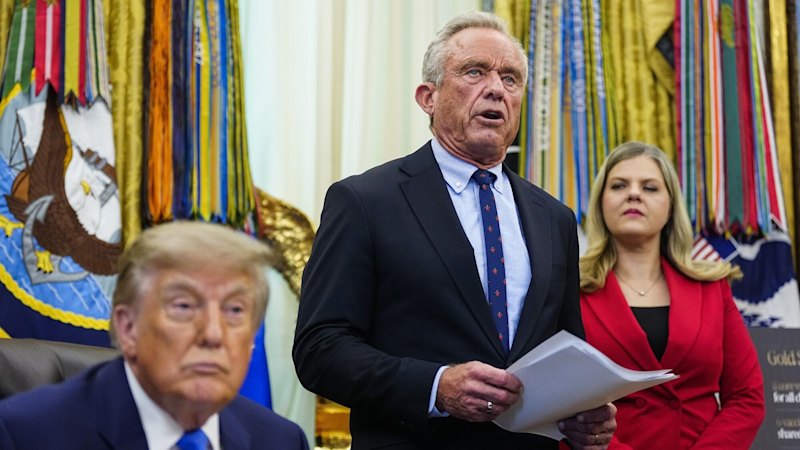
The rising case counts are unfolding against a backdrop of institutional friction. Pennsylvania Governor Josh Shapiro publicly addressed the crisis following a tense exchange with federal health leadership, pointing directly to national messaging that undermines confidence in standard immunizations. Administrative skepticism at the federal level, including executive orders calling for revamped childhood vaccine schedules and suggestions to decouple combination shots, has amplified parental hesitation.
Public health veterans point out that rebuilding trust is far more difficult than breaking it. When federal officials question long-standing medical consensus without empirical backing, local health departments bear the brunt of the fallout. Physicians on the ground report spending critical clinical time combating online misinformation rather than delivering routine care.
The consequences are measurable. Nationwide, five individuals have died from measles over the past two years, surpassing the combined total of reported deaths over the previous three decades. Hospitalization rates in the Pennsylvania outbreak have climbed to nearly 20 percent of infected patients, driven by severe complications such as pneumonia and neurological inflammation.
What Happens Next for Measles Elimination Status
The broader implications extend beyond domestic hospital wards. International health authorities are scheduled to review the endemic measles status of the United States and neighboring regions. Losing measles-free status—which the U.S. originally achieved in 2000 through sustained high vaccination rates—would mark an administrative and symbolic failure for a nation with advanced medical infrastructure.
Reversing the trajectory requires more than reactive containment when outbreaks flare. State health departments have expanded vaccine distribution drives, pushing thousands of additional doses into affected zip codes. Yet, unless baseline community immunity is restored through consistent, localized education and uncompromised medical guidance, these measures function merely as a thumb in a crumbling dike.
The virus does not negotiate with political rhetoric or philosophical exemptions. It exploits biological vulnerability with mathematical precision. Until public health communication aligns with empirical reality, preventable tragedies like those in Lancaster County will remain a glaring indicator of a public health system losing its grip on the basics.