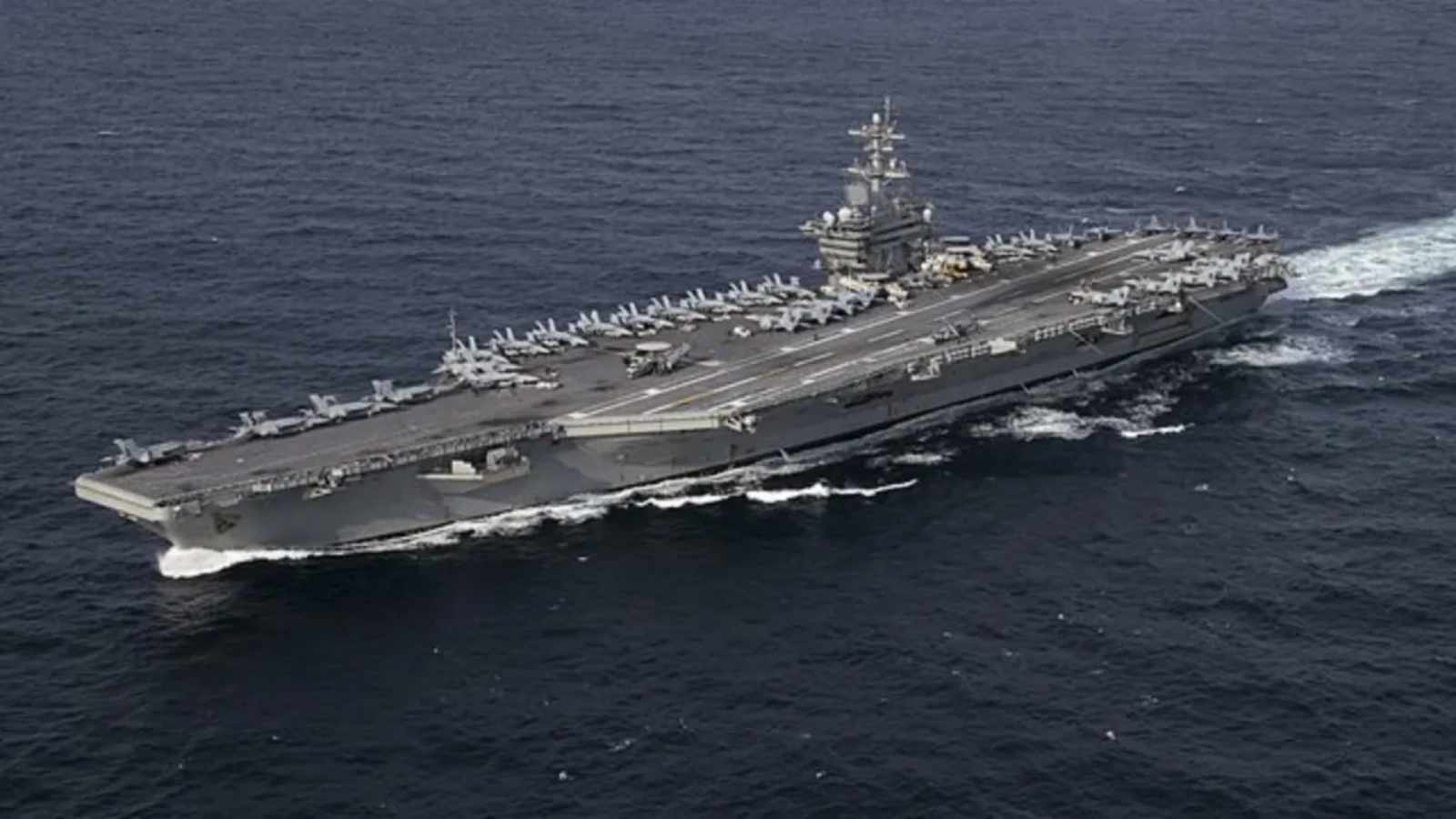
Sailors aboard the USS Abraham Lincoln tried to jump overboard because an aircraft carrier deployment is a slow-motion psychological grinder that the Pentagon refuses to fix. When a crew is forced to endure nearly 250 consecutive days at sea without a proper port break, human biology eventually rebels against the artificial constraints of steel hulls and endless fatigue.
The core issue driving the USS Abraham Lincoln crisis is not merely a scheduling hiccup or bad luck with geopolitical flare-ups. It is a systemic structural failure in how the United States Navy manages its carrier strike groups, treating multi-billion-dollar warships as infinite-endurance assets while treating the human beings inside them as disposable parts.
The Mechanics of Endless Extension
Extended deployments have transformed from exceptional emergencies into standard operating procedure. During the Cold War, six-month deployments were standard, and leaders respected those boundaries because they understood the limits of morale and material readiness. Today, maintenance backlogs in public shipyards, chronic fleet shortages, and a continuous demand for a global presence have stretched deployment lengths past the breaking point.
When a ship's return date slips by weeks, then months, the psychological toll compounds exponentially. Sailors build mental countdowns to homecomings that evaporate due to shifting operational demands. That sudden severing of hope acts as a catalyst for acute distress.
Consider a hypothetical scenario common in modern carrier rotations: A crew is told they will return in October. In September, tensions in a regional hotspot rise, and the strike group order is amended to extend operations indefinitely. The reaction is immediate. Sleep deprivation transitions from a chronic annoyance into a pervasive cognitive fog.
Sleep Debt as a Weapon
The Department of Defense has published countless studies on fatigue management, yet the operational culture of the fleet actively undermines every single finding. On a nuclear-powered aircraft carrier, watches never stop. Flight operations run around the clock. Maintenance occurs during supposed off-hours.
The arithmetic of a carrier schedule leaves little room for biological recovery. A sailor pulling five hours of fragmented sleep per night for eight straight months accumulates a massive sleep debt that coffee and willpower cannot bridge. Cognitive function degrades. Decision-making slows. Emotional regulation frays.
When you trap thousands of young adults in a high-stress, high-consequence environment with broken sleep cycles and zero privacy, despair becomes contagious.
The Cost of Operational Tempo
Senior leadership often points to retention bonuses and resiliency training as answers to the human cost of high operational tempos. These measures fail because they address symptoms while ignoring the structural disease.
Resiliency seminars do not fix a broken evaporator that leaves the crew with brackish water. Stress management briefs do not replace the missing six months of life milestones missed back home. Posters about mental health resources ring hollow when taking time to seek help is viewed by direct supervisors as a career-ending weakness.
The culture of the surface fleet still rewards endurance over well-being. A commander who speaks out about crew exhaustion risks being labeled soft or incapable of meeting mission requirements. Consequently, problems remain hidden until they manifest as drastic behaviors, safety mishaps, or tragic losses over the side.
The Myth of the Infinite Fleet
The fundamental math of naval architecture and force structure has finally caught up with strategic ambition. The Navy possesses roughly eleven aircraft carriers to cover the entire globe. When adversaries posture in multiple theaters simultaneously, Washington panics and stretches existing hulls to the absolute limit.
This creates a vicious cycle. Overworking the USS Abraham Lincoln and its sister ships leads to accelerated equipment wear, requiring longer shipyard maintenance periods down the road. Those extended maintenance delays place an even heavier burden on the remaining operational carriers, forcing them into shorter training cycles and even longer deployments.
The machine is eating its own tail.
Breaking the Cycle
Fixing the Navy retention and mental health crisis requires uncomfortable institutional choices. It requires civilian leadership to tell combatant commanders that certain regions cannot have continuous carrier coverage. It requires accepting a smaller global footprint to preserve the sanity and safety of the sailors who make the fleet move.
Until Congress and the Pentagon prioritize human endurance over political posturing, the headlines about sailors in crisis will continue to repeat. Steel can be welded, painted, and repaired. The human mind, once pushed past its ultimate limit, is not so easily restored.